A front tooth meeting behind the lower teeth
Tell us how long it has been like this and whether it changed as adult teeth came in. We will look at the tooth in relation to both arches, since its position only makes sense as part of the whole bite.

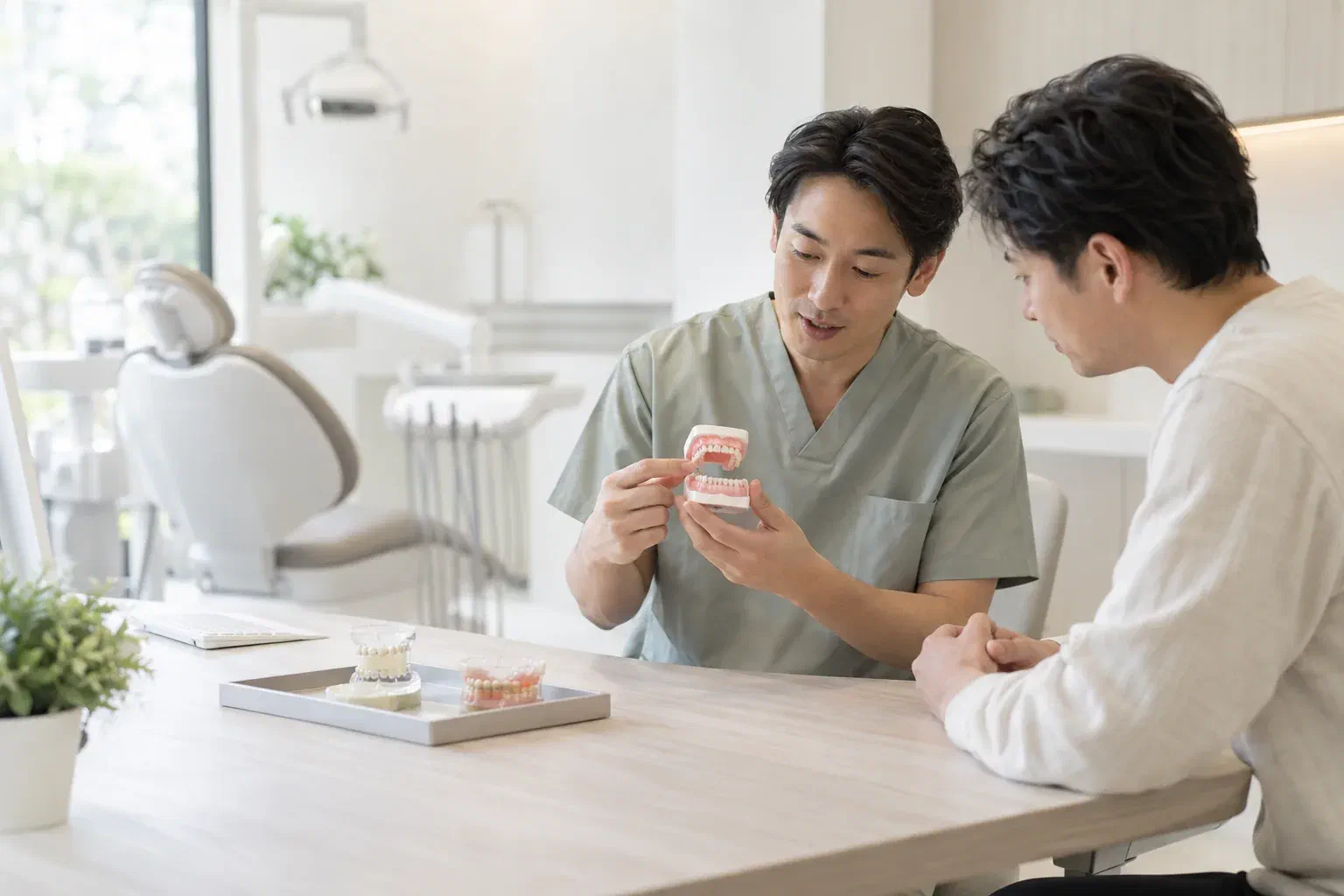
A crossbite plan succeeds or stalls on what happens at home between visits. For households in Erin and Hillsburgh, we assess the bite, explain the options and make sure the daily routine of wear, cleaning and check-ins is one you can keep.
Appointments set the direction, yet the hours in between are where an appliance actually does its job. That is worth keeping in mind from the start. The condition being treated is a crossbite, in which certain upper teeth sit on the inner side of the lower teeth when the mouth closes. It might be one tooth at the front, a group at the back, one side or more.
Before any routine is planned, we work out the cause. Is it mainly a matter of tooth position, a difference between the jaws, or both? Does the lower jaw shift to reach a bite? Those answers decide what kind of appliance, if any, is suggested, and therefore what daily care will involve.
Families in Erin often ask practical questions early: how long the appliance is worn each day, what happens at school or work and what to do if something breaks. We are happy to cover all of that once the exam has shown what kind of crossbite is present and whether an orthodontist should be involved.
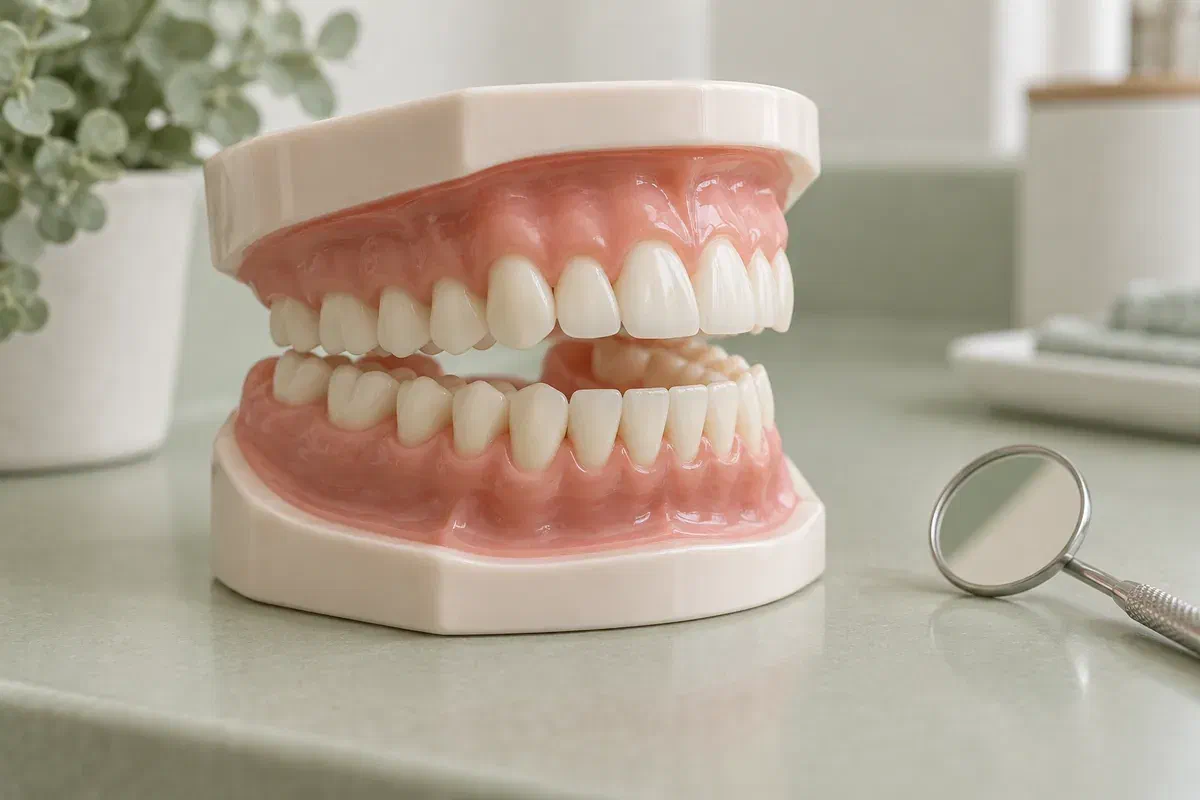
You do not need to name the type of crossbite. Describe where the bite feels or looks different and anything that has changed in comfort, contact or jaw movement.
Tell us how long it has been like this and whether it changed as adult teeth came in. We will look at the tooth in relation to both arches, since its position only makes sense as part of the whole bite.
These are easy to overlook in daily life, so mention any that you or a family member have noticed. They help us decide whether the pattern is mainly dental, skeletal or mixed, which shapes the plan and the home routine.
There is no need to wait for all adult teeth before asking. Mention the concern at a dental visit. Development will guide whether we suggest monitoring or an early orthodontic opinion.
A crossbite on its own does not mean a routine of appliance wear has to start now. Ask about the diagnosis, any shift on closing and the reasons behind the suggested timing.
People stick with routines they understand. That is why an assessment should make clear which teeth are involved and what change in their relationship the treatment is after. Guiding a single tooth, widening an arch and studying the jaws all carry different routines, from short wear periods to longer-term appliances.
We also talk through symptoms honestly. Jaw discomfort, worn edges or chewing difficulty each need their own assessment, which we will describe. Correcting a crossbite should never be presented as a sure cure for every jaw-area symptom, however tempting that would be to hear.
Ask us to explain the finding and what each part of the plan is meant to change. If monitoring is suggested instead, ask how often reviews will be and what we will look for. Not every assessment leads to an appliance.
Growth can make some options possible for children that do not apply later. Ask which factors matter for you or your child. The plan should not rely on a promise that early care prevents any future orthodontics.
If an orthodontist manages the appliance, ask who handles adjustments, who keeps up routine checkups and who to phone with a problem. Write those details down and keep them with the appliance case.
The appliance discussion comes once the diagnosis and goals are settled. When booking, ask what records might be taken and how long the appointment will be.
Share how biting and chewing feel day to day, any discomfort and previous orthodontic care. Mention school, work or sports routines that might affect wearing an appliance. Habits and past injuries are useful context, not assumed causes.
We look at the upper and lower teeth, their contacts and the surrounding gums. Records may be suggested to show the tooth and jaw relationship more clearly. Ask whether your jaw slides into the bite and how that changes timing.
We go through the change we hope to make, which appliances could do it, the risks and alternatives, and the daily care each requires. Jaw-related patterns may need specialist planning. Ask what each option would achieve and how much home effort it involves.
Keep reviews and mention changes in fit, comfort or contact, as well as anything that has made the routine hard to keep. Ask how progress will be judged. Before active care ends, confirm retention and continuing checkups.
Instructions differ with the type of appliance and the phase of care. Ask for a hands-on demonstration, and if possible bring whoever will help at home.
Wear time and any adjustments should match the treating clinician’s instructions exactly. If a session or step is missed, phone for advice rather than making up time. Do not change elastics, bend wires or adjust anything at home.
Ask how to brush near fixed parts and how to clean and store removable ones safely. Mention any spot that is hard to reach. Keep regular checkups and hygiene visits going so oral health is cared for throughout.
A loose or broken part, an injury, lasting soreness or a bite that suddenly feels different should be reported. Ask whether it is expected. When active care ends, confirm the retention routine and how the bite will be reviewed.
Every appliance and every bite is a little different. These answers cover common practical questions, and your treating provider will give specific advice.
Book an appointment with us on Bronte Street to talk through a suspected crossbite, an uneven bite or a jaw that slides into place. We will explain what the exam shows, what daily care any option would involve and when orthodontic referral fits.
Diagnosis, appliance choice, timing, referral and fees are confirmed only after an individual assessment. No specific expansion method or outcome can be promised.
