

Illustrative patient and clinician discussing tooth spacing with a dental study model
Cosmetic Dentistry

Treatment for Gapped Teeth

A space between teeth can be a familiar feature or a change you would like assessed. Explore treatment for gapped teeth in Milton to understand the cause, tooth proportions, bite, and choices for closing, redistributing, or keeping the space.

A closer look at gapped teeth

Decide what the space means for your smile before deciding to close it.

A gap between teeth, sometimes called a diastema, is not automatically a dental problem. Some people value it as part of their smile; others would prefer a smaller space or a different arrangement. The first question is whether the spacing is healthy and stable or connected to a change that needs investigation.

Closing a space can involve moving teeth, adding restorative material, or coordinating more than one approach. Those choices have different effects on tooth proportions, contacts, maintenance, and the bite. A plan should explain where the space comes from and what changing it would mean for the surrounding teeth.

At Milton Dental Clinic, tell us whether the gap has always been present, recently appeared, or returned after previous treatment. We can discuss the assessment needed and the options that fit your findings. There is no requirement to remove a healthy feature simply because it is visible.

Discuss spaces between your teeth
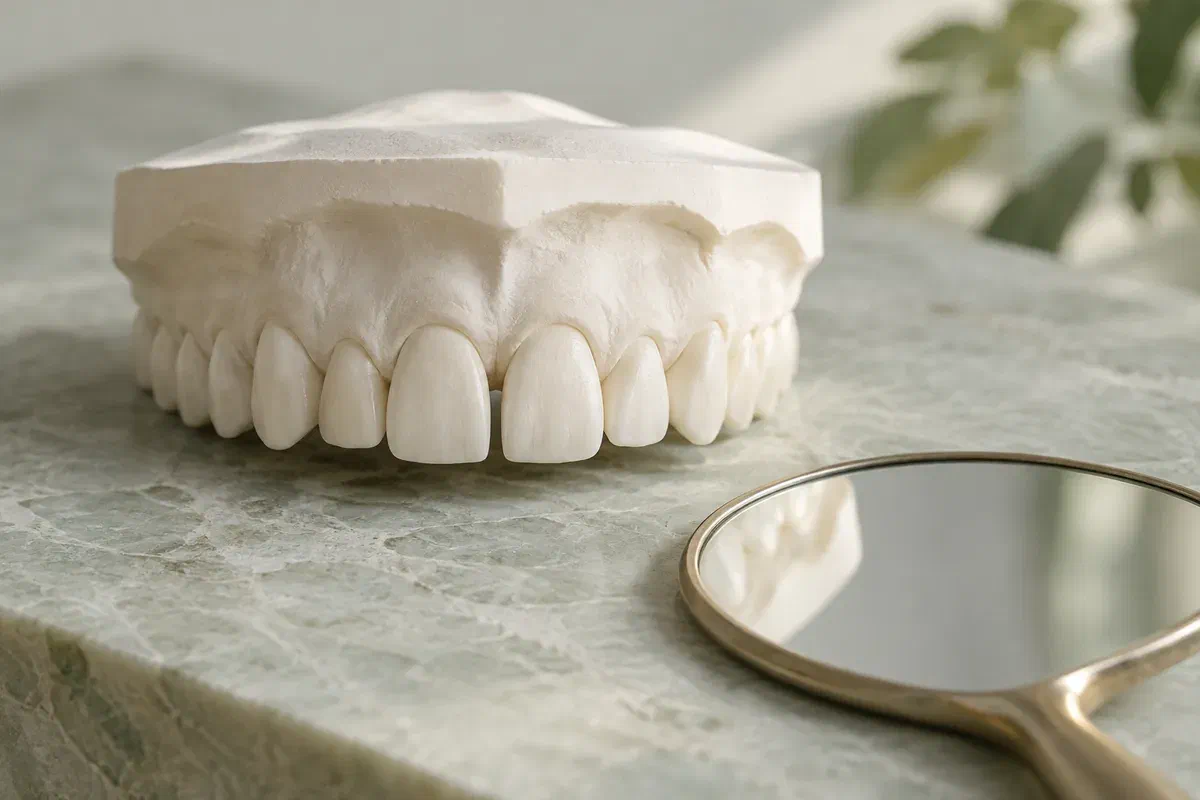
Illustrative upper dental cast with a small space between the central incisors beside a mirror
What to notice about the space

Its history and surroundings help guide the decision.

Explain whether one gap or several spaces concern you, how they have changed, and whether there are symptoms. Appearance alone does not establish the cause.

A longstanding space you would like to change

Describe whether you want complete closure, a smaller gap, or a more even distribution of space. Ask how the proposed change would affect tooth width and the overall smile. Keeping a little spacing may be a preference worth discussing during planning.

A new or widening gap

Mention any bleeding, looseness, discomfort, or other changes alongside the spacing. The clinician should assess the teeth and supporting tissues before a cosmetic solution is selected. A new gap needs an explanation rather than simply being covered or pulled closed.

Spacing around a small or missing tooth

Ask whether tooth size, position, or absence contributes to the appearance. The plan may need to consider replacement or restoration as well as movement. Clarify how the chosen approach would distribute space so the neighbouring teeth do not become the only focus.

Children can have spaces during dental development. Ask whether a particular gap should be monitored and when another assessment is useful, rather than assuming every childhood space needs immediate cosmetic closure.

What a spacing consultation can clarify

Choose a proportionate change with its maintenance understood.

A useful discussion compares the goal with the available ways to reach it. Adding material changes the visible dimensions of a tooth, while orthodontics changes positions. Ask how each approach affects the particular gap you notice and whether the proposed result fits the proportions you prefer.

Planning also helps avoid treating one space without considering the rest of the arch. Ask where the teeth would end up, how their contacts would be arranged, and whether other care is needed first. A clear plan makes those relationships understandable before treatment begins.

An explanation of the underlying findings

Ask whether the spacing is a stable variation or associated with a condition that needs care. Clarify which findings are certain and which require further assessment. Understanding that distinction helps separate a health priority from an optional change in appearance.

A comparison of closure and redistribution

Sometimes the conversation is about moving space to a more useful location rather than removing every gap immediately. Ask how that would relate to tooth size or a planned restoration. You should understand the intended arrangement at the end of each stage.

A realistic view of ongoing responsibilities

Discuss retainers if movement is proposed and repair or replacement considerations if material is added. Ask what routine reviews would involve and what costs are included. The maintenance commitment is part of the decision, not a detail to discover after the gap has changed.

Planning treatment for spacing

Assess the cause, compare the routes, and agree on the intended proportions.

Your appointment sequence depends on the findings and chosen treatment. Ask whether the first visit is for assessment only and what additional records or opinions may be needed.

  1. Discuss the gap and your preferences

    Show the areas you want to discuss and describe their history. Mention earlier orthodontics, bonding, tooth loss, and any retainer use. Explain the features you would like to keep so the treatment goal reflects your preferences rather than a standard idea of a closed smile.

  2. Examine oral health, proportions, and the bite

    The clinician considers the teeth, gums, positions, and contacts. Appropriate records may be recommended to understand the spacing or plan a change. Ask whether another issue should be treated first and how it affects the timing of cosmetic or orthodontic care.

  3. Compare movement, additions, and coordinated care

    Review the suitable options with their risks, preparation, maintenance, fees, and limits. Ask how each would affect the width and position of the visible teeth. If several clinicians are involved, clarify who plans the final arrangement and how the stages fit together.

  4. Review the result and continuing-care plan

    During and after treatment, discuss appearance, contacts, cleaning access, and comfort. Confirm retention where teeth have moved and review arrangements for any restorations. If a space reappears or the result concerns you, ask for reassessment before choosing another intervention.

Maintaining the chosen arrangement

Care for the contacts and follow the plan that holds the result.

Aftercare depends on whether the teeth were moved, restored, or simply placed under observation. Ask for instructions that match the treatment actually provided.

Keep the spaces and contacts clean

Ask how to clean between teeth after the arrangement changes and whether a different technique or tool would help. Report food trapping, floss catching, or a contact that feels awkward. These practical details matter alongside the appearance of the front surfaces.

Follow retention instructions after movement

Use the retainer as prescribed and ask about checks, cleaning, and replacement arrangements. If it is lost, damaged, or no longer fits, contact the responsible provider promptly. Do not use household bands or other improvised methods to try to keep a gap closed.

Review additions or new spacing changes

If bonding or another restoration was used, ask what wear or surface changes should prompt a review. Mention a gap that opens elsewhere or becomes larger. The cause should be reconsidered rather than assuming more material or more movement is always the answer.

Patient information: British Orthodontic Society — maintaining positions with retainers

Choosing what to do about a gap

The appropriate option follows the cause and the result you want.

Ask what each route changes about tooth position, shape, and future care. A visible space does not automatically mean that veneers or orthodontics are required.

When changing positions fits the plan

Orthodontic closure or redistribution

Suitable movement may bring teeth together or arrange space for another treatment. Ask about the bite, appliance requirements, and retention. The whole pattern of spacing should be considered so a decision about one gap does not leave the broader result unclear.

When changing tooth dimensions is appropriate

Bonding or another proportion-sensitive restoration

Adding material may be discussed for a suitable gap and tooth shape. Compare the intended width, cleaning access, preparation, and maintenance. If a veneer is proposed, ask why a more extensive covering is appropriate and what a smaller addition could or could not achieve.

When health or personal preference takes priority

Cause-focused care or keeping the gap

Gum care, evaluation of a missing tooth, or another assessment may come before closure. You may also choose to keep healthy spacing. Ask what monitoring is recommended and what changes should prompt another visit if no elective treatment is selected.

Gapped-teeth treatment questions

Ask what closing the space would change about the teeth beside it.

A conversation about spacing can include preferences, proportions, oral health, and long-term care. There is no need to choose a treatment before the assessment.

(905) 876-4488
Can I make a tooth gap smaller without closing it completely?
Discuss that preference from the beginning. The clinician can explain whether a partial change fits the tooth proportions, contacts, and bite. Ask how the result would be planned and maintained rather than assuming complete closure is the only acceptable goal.
Could adding bonding to close a gap make my front teeth look too wide?
That is a useful planning question. Ask how the proposed additions affect each tooth’s width and shape and whether movement or a combined approach would better suit the proportions. The appearance of the teeth matters as well as the disappearance of the space.
Why should a gap that appeared recently be checked before cosmetic closure?
A new space may reflect a change in the teeth or supporting tissues that needs assessment. Mention bleeding, looseness, pain, or other movement. Understanding the cause helps determine whether health-related care should come before an appearance treatment.
Does a front gap automatically mean I need treatment of the tissue under my lip?
No. The cause and any role of that tissue need assessment. Ask why a tissue procedure is being considered, whether it is necessary, and how it relates to the overall plan. It should not be assumed from the presence of a gap alone.
Can a missing tooth change whether nearby spaces are closed or kept?
Yes, planning may involve arranging space for a replacement or considering orthodontic closure where appropriate. Ask how the options affect the bite and neighbouring teeth. Replacement and movement decisions should be coordinated before the available space is changed.
What should I ask if a gap returns after earlier bonding or orthodontics?
Explain the earlier treatment and when the space changed. Ask whether the issue involves tooth movement, the restoration, or another finding. A reassessment can clarify whether retention, repair, further treatment, or monitoring is the appropriate response.
Treatment for gapped teeth in Milton

Bring your preferences about the space, not just a request to remove it.

Arrange an assessment at our Bronte Street practice to discuss tooth gaps, proportions, and the change you would consider worthwhile. We can explain the findings and help compare appropriate movement, restorative, or monitoring options.

The cause of spacing, oral health, treatment suitability, timing, and fees require individual assessment. Keeping a healthy gap is also a valid preference.

Visit Milton Dental Clinic
Unit 1, 342 Bronte St. S, Milton, ON L9T 5B7
Get directions Clinic hours
Monday–Thursday
11am–7pm
Friday–Sunday
By appointment only

How can we help?

Milton Dental Clinic

Have a question about your smile? Choose the option that works best for you.

For urgent dental concerns, please call.
Messages are reviewed during clinic hours.