

Illustrative patient and clinician discussing front-tooth overlap with a dental model
Cosmetic Dentistry

Treatment for Overbite

Some overlap between the front teeth is normal; excessive overlap needs a closer look. Discuss treatment for overbite in Milton to understand the vertical relationship, tooth contacts, oral health, and whether monitoring or orthodontic care is appropriate.

A closer look at overbite

Understand the overlap before deciding whether it needs to change.

Overbite describes the vertical overlap of the upper front teeth over the lower front teeth. A degree of overlap is normal. The question is whether it is excessive or associated with findings that justify treatment, such as unwanted tooth or tissue contact. An examination puts the visible relationship into context.

People sometimes use overbite to mean that the upper teeth project forward. That horizontal relationship is called overjet, and it is assessed separately, although both can occur together. Clarifying the terms helps ensure the proposed treatment addresses the concern you actually have.

At Milton Dental Clinic, tell us what you notice when closing, chewing, or looking at your smile. We can discuss the assessment needed, the findings that matter, and any role for orthodontic referral. You should understand why a change is proposed before comparing appliances or treatment lengths.

Discuss front-tooth overlap
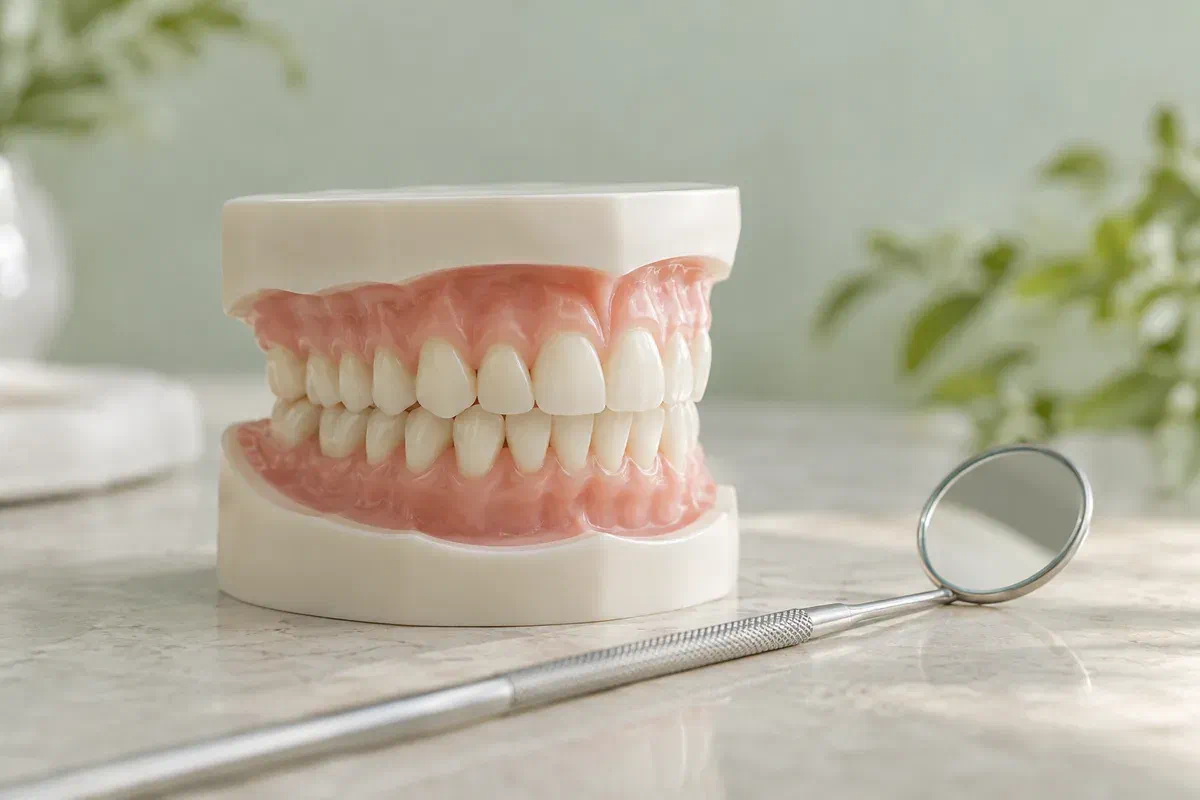
Illustrative paired dental teaching model viewed from the side to show front-tooth overlap
What to bring to the bite discussion

Describe the contact and comfort, not just the amount of visible tooth.

The appearance of the front teeth is one part of the assessment. Explain any symptoms, wear, or changes you have noticed so they can be considered alongside the bite relationship.

Lower front teeth that seem heavily covered

Show the clinician what you mean by deep overlap and ask how it is being assessed. A photograph may prompt a useful question but does not establish the treatment needed. Discuss the findings in the context of the whole bite and your goals.

Teeth contacting the gum or palate

Mention any area that feels sore or is repeatedly contacted when you close. Ask whether the bite is contributing and what needs attention first. A tissue concern deserves assessment rather than being dismissed because the teeth look straight from the front.

Wear or planned front-tooth restorations

Tell the clinician about worn edges, previous repairs, or plans for bonding or veneers. Ask how the bite relationship affects those decisions. The condition and future care of a restoration should be considered together with the contacts it will experience.

Jaw discomfort, headaches, or clicking need their own assessment. Do not assume that an overbite explains every symptom or that changing the overlap will necessarily resolve them.

What a focused bite review provides

A reasoned decision about whether, why, and how to intervene.

The useful outcome is a clear explanation of the relationship between the teeth and the significance of the findings. Ask whether the overlap is being monitored or whether treatment is recommended, and what the proposed change is intended to achieve. The label alone does not answer those questions.

Planning also helps separate a visible appearance preference from a functional treatment goal. A straighter-looking smile and a change in vertical overlap are not necessarily the same result. Understanding the intended scope makes it easier to compare options and recognize any limits.

An explanation of the contacts that matter

Ask which tooth or tissue contacts are relevant and how the recommendation relates to them. Discuss whether any existing damage requires separate care. You should be able to connect the proposed treatment with a finding rather than simply a measurement or a treatment name.

A plan that considers development and complexity

For a child or teenager, ask how growth and eruption influence the timing. For an adult, ask which dental and jaw factors shape the choices. The approach should follow the individual situation rather than assume the same appliance works at every age.

Coordination before restorative decisions

If repairs or cosmetic additions are being considered, ask whether the bite should be assessed first. Clarify which steps depend on the result of alignment planning. Coordination can help avoid making a restoration decision without understanding the relationship it needs to work within.

How overbite care is planned

Assess the relationship and define the intended correction.

The process may include monitoring, orthodontic records, or specialist input. Ask what the first assessment covers and how a recommendation will be explained before treatment begins.

  1. Discuss the concern and dental history

    Describe the overlap you notice, any sore areas, and changes in chewing or appearance. Review earlier orthodontics, injuries, wear, and restorations. Mention what you hope to improve and whether another dental treatment is already planned or underway.

  2. Examine vertical overlap, forward projection, and other contacts

    The clinician reviews the upper and lower teeth together and assesses oral health. Appropriate records may be needed to understand the pattern. Ask which findings relate to overbite, which relate to overjet, and whether other bite issues are part of the plan.

  3. Compare suitable treatment and observation

    Discuss the proposed movements, appliance options, risks, responsibilities, and alternatives. Ask whether the care is limited or comprehensive and whether a specialist opinion is advisable. Confirm the expected stages and fees without treating a provisional timetable as a guarantee.

  4. Review progress and plan retention

    During active care, the treating clinician checks progress and responds to findings or difficulties. Report appliance problems and changes in comfort. Before finishing, discuss the final contacts, any restorative follow-up, and the retention instructions intended to help maintain tooth positions.

During treatment and after active movement

Follow the prescribed routine and report contact changes clearly.

Your responsibilities depend on the appliance and treatment stage. Ask for a demonstration and written instructions where helpful, especially for parts of care you need to manage at home.

Use appliances and prescribed additions correctly

Follow the wear and adjustment instructions you are given. If the plan includes elastics or other components, clarify their placement and purpose. Do not change the arrangement to try to speed up a bite change, and ask what to do after missed wear.

Keep cleaning and dental reviews on track

Discuss how to clean around the chosen appliance and any areas that are hard to reach. Continue routine dental care alongside alignment appointments. Report soreness, bleeding, or a cleaning difficulty so it can be assessed rather than quietly tolerated between visits.

Check the continuing plan after correction

Confirm how retainers will be used and reviewed, and whether any restorative work remains to be discussed. Tell the team if the bite feels different later or an appliance no longer fits. A completed course still needs an understandable maintenance plan.

Patient information: British Orthodontic Society — retention after active treatment

Choosing the scope of overbite care

The recommendation should fit the overlap and the wider bite.

Ask what each approach changes, what it leaves unchanged, and why it is appropriate for your findings. There is no single appliance or treatment duration for everyone.

When the planned correction can be addressed dentally

Suitable orthodontic tooth movement

Fixed appliances or suitable aligner treatment may be discussed according to the required movements. Ask what additional components or stages are involved. A preference for a particular appliance is useful to share, but suitability must follow the assessment.

When growth or jaw relationships influence care

Specialist planning for a more complex relationship

A broader orthodontic assessment may be recommended, with other specialist input where necessary. Ask whether the proposed change involves teeth, jaws, or both. Surgery is not implied by the word overbite; any such discussion needs a specific diagnosis and explanation.

When active correction is not selected

Monitoring with care for any separate problem

The clinician may recommend observation or attention to another dental issue before deciding on movement. Ask what will be monitored and when a review is needed. An oral-health plan can remain useful even if you choose not to begin elective alignment care.

Patient information: British Orthodontic Society — comparing limited and comprehensive treatment aims

Overbite assessment questions

Make sure the plan addresses the relationship you mean.

Terms such as overlap, deep bite, and forward projection can be confusing. Ask the clinician to show you the findings and explain the intended change.

(905) 876-4488
Is every overlap of the upper and lower front teeth an overbite problem?
No. Some vertical overlap is normal. The clinician assesses its extent, contacts, oral health, and any associated concerns before recommending treatment or monitoring. Ask what makes the finding significant in your case rather than assuming any overlap must be corrected.
Can I have both excessive overbite and increased overjet?
Yes. Vertical overlap and horizontal forward projection are different relationships and can occur together. Ask which are present and which the proposed plan addresses. Understanding both helps avoid comparing treatments that have different intended goals.
Why mention a deep bite before arranging veneers or front-tooth bonding?
The contacts between opposing teeth can influence restorative planning. Ask how the proposed restoration would function within the bite and whether an alignment opinion is useful first. An appearance decision should include the conditions the restoration will need to work in.
Can straight-looking teeth still have an excessive vertical overlap?
Yes. Front teeth can look well aligned while their vertical relationship needs assessment. Ask to see how the upper and lower teeth meet and what the finding means. A straight front view alone does not establish whether the bite needs attention.
Does overbite treatment always involve moving only the upper front teeth?
No. The necessary movements depend on the full bite and treatment aims. Ask which teeth or arches are involved and why. The plan should explain the route to the intended overlap rather than assume the visible upper teeth are the only part to consider.
What should I ask if monitoring is recommended for my overbite?
Ask which findings are being observed, when the review should occur, and what changes should prompt an earlier visit. Clarify any separate care for soreness, wear, or other concerns. Monitoring should have a purpose and follow-up plan you understand.
Treatment for overbite in Milton

Start with a clear explanation of how your front teeth overlap.

Arrange an assessment at our Bronte Street practice to discuss vertical overlap, tooth contacts, and the changes you have noticed. We can explain the findings and any next steps for monitoring, orthodontic assessment, or coordinated dental care.

Treatment need, appliance suitability, timing, referral, and fees depend on examination. A symptom cure or a particular treatment method is not guaranteed.

Visit Milton Dental Clinic
Unit 1, 342 Bronte St. S, Milton, ON L9T 5B7
Get directions Clinic hours
Monday–Thursday
11am–7pm
Friday–Sunday
By appointment only

How can we help?

Milton Dental Clinic

Have a question about your smile? Choose the option that works best for you.

For urgent dental concerns, please call.
Messages are reviewed during clinic hours.