

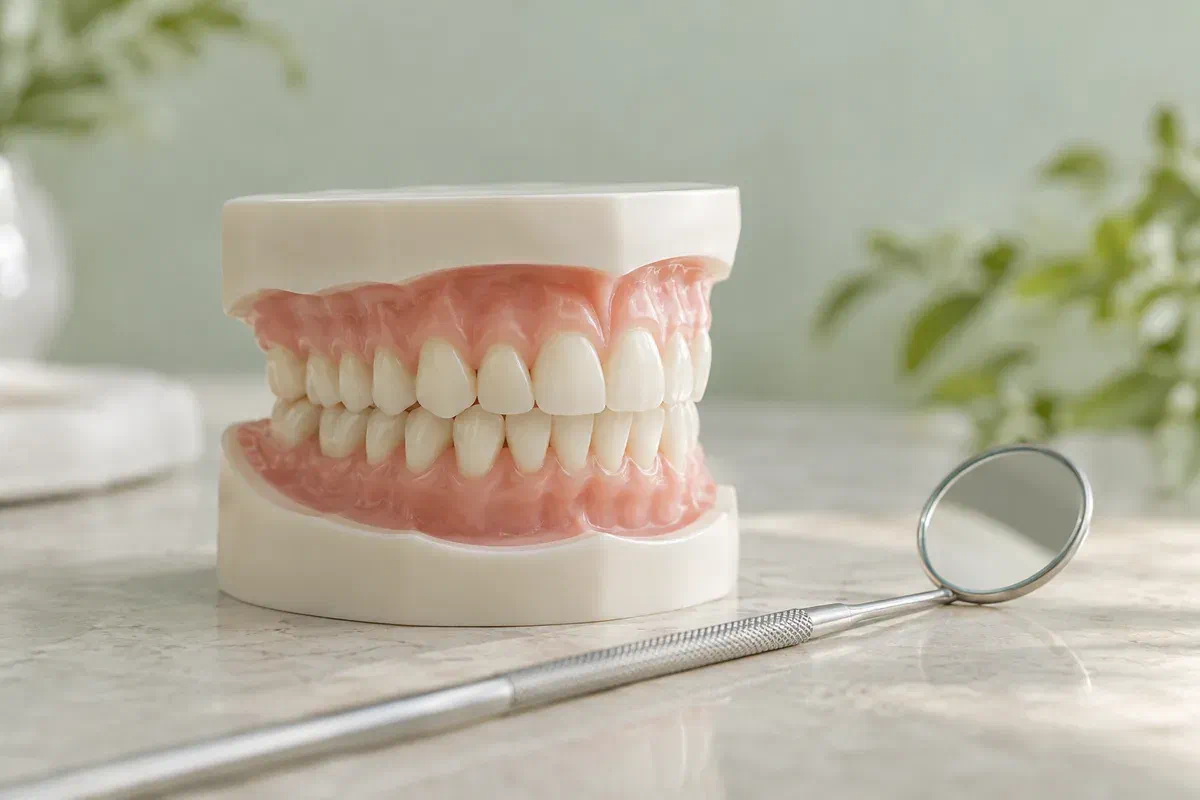
Illustrative patient and clinician discussing front-tooth overlap with a dental model
Cosmetic Dentistry

Treatment for Overbite in Caledon

Holding two very different overbite plans and unsure which to trust? Comparing them starts with understanding what each is trying to fix. From Bolton and the villages of Caledon, book an assessment that clarifies your overlap, contacts, and the scope each approach would cover.

A second opinion for Caledon

When the plans disagree, go back to the findings.

One provider suggests a few months of aligners. Another talks about a longer, more involved course. Both say overbite. It is natural to feel stuck. Often the plans differ because they aim at different goals, or because one addresses only the front teeth while the other considers the whole bite. Seeing those aims side by side makes the choice far less confusing.

The starting point is the same for everyone. Some vertical overlap between upper and lower front teeth is normal. Treatment becomes relevant when it is excessive or linked to findings like contact with gum or palate, wear, or effects on cosmetic plans. Upper teeth that project forward are a separate horizontal measure, overjet, and a plan may address one, the other, or both.

Bring any treatment proposals you have received, plus your own notes. For households in Caledon weighing a significant decision, we will examine the bite independently, explain which findings matter, and help you understand what each proposed plan would and would not change. If an orthodontist’s view would help, we will say so.

Get an independent bite opinion
Illustrative paired dental teaching model viewed from the side to show front-tooth overlap
What to bring along

Proposals, records, and your own observations

The look of your teeth is one consideration. Symptoms, wear, changes over time, and the plans already offered all help the clinician give a useful second view.

The overlap that concerns you

Explain what looks too deep and ask how it is being assessed today. Compare that with how earlier providers described it. A photo helps illustrate your concern, but the examination of your full bite is what informs advice.

Discomfort where teeth meet tissue

Note any sore spot on the gum or palate that is touched when you close. Ask whether the overlap explains it and whether either plan addresses it. Tissue contact is worth assessing even when the front teeth look straight.

Wear, repairs, or cosmetic plans

Mention worn edges, earlier bonding or crowns, and any veneer ideas. Ask how each proposed plan accounts for them. Restorations and the bite they function in should be considered together.

Jaw aches, headaches, or clicking need their own assessment. Do not assume either plan will resolve them simply because it addresses the overbite.

What an independent view offers

Understanding scope makes comparison fair

The aim is not to pick a winner but to help you understand what each plan is designed to do. A careful review explains how your teeth meet, whether treatment is truly warranted, and what any proposed approach would change. Hearing the same label from two providers does not mean they are proposing the same result.

It also helps separate cosmetic goals from bite goals. A shorter plan might focus on how the front teeth look, while a longer one might target the vertical relationship and the whole bite. Neither is automatically right. Knowing which goal each serves helps you choose with clear eyes.

Contacts named, plans linked

Ask which tooth or tissue contacts are significant and how each plan responds to them. Check whether any existing damage needs separate care. A recommendation should be traceable to findings rather than to a brand or a timeline.

Age and complexity taken into account

For younger family members, growth and erupting teeth can influence when and how to treat. For adults, jaw relationships and past dental work matter more. Ask how these factors might explain differences between proposals.

Restorative work in its proper place

If cosmetic or repair work is part of either plan, ask whether the bite should be settled first and which steps depend on it. Correct sequencing helps avoid placing restorations before their working conditions are known.

How a second-opinion visit works

Review the proposals, then the bite itself

The result might be agreement with a plan, a suggestion to monitor, new records, or a specialist referral. Ask what this visit covers and how the findings will be shared.

  1. Go over existing proposals and history

    Share the plans you have been offered, what you noticed that led you to seek care, and any sore spots or chewing changes. Mention past orthodontics, injuries, wear, restorations, and your goals.

  2. Examine the overlap and related contacts

    The clinician assesses how upper and lower teeth meet and checks oral health. Existing records are reviewed and new ones suggested if needed. Ask which findings concern overbite, which concern overjet, and what else is part of the picture.

  3. Compare scope, risks, and alternatives

    Discuss what each proposal would move, the appliances involved, risks, responsibilities, and alternatives such as observation. Ask whether the difference is limited versus comprehensive care and whether a specialist should weigh in. Treat any timeline as provisional.

  4. Decide and plan the follow-through

    Whichever path you choose, the treating clinician should monitor progress and respond to difficulties. Before treatment ends, make sure someone explains how your teeth now meet, what repair work can follow, and how long to wear a retainer.

Whatever plan you choose

The home routine matters in every version.

Your tasks depend on the appliance and the stage. Ask for a demonstration and written instructions so you know exactly what is expected.

Wear appliances as directed

Short or long, any plan depends on wearing appliances and add-ons as prescribed. Confirm where each component belongs and why. Do not alter the set-up to speed results, and ask what to do if you miss wear.

Maintain cleaning and dental reviews

Ask how to clean around your appliance and which spots are easy to miss. Keep routine dental visits going. Report soreness, bleeding, or cleaning difficulties so they can be assessed instead of tolerated.

Keep the result with a retention plan

Confirm how retainers will be worn and reviewed, and whether restorative work remains. Mention it if your bite feels different later or a retainer stops fitting. Any completed plan should come with maintenance steps you understand.

Patient information: British Orthodontic Society — retention after active treatment

Comparing approaches

Narrow fix or whole-bite plan?

For each option, ask what it changes, what it leaves untouched, and why it fits your findings. Appliance choice and duration vary between people and plans.

When the correction is mainly dental

Tooth movement with appliances

Fixed braces or appropriate aligners may be proposed, depending on the movements required. Ask whether elastics, attachments, or extra phases are included. Preferences are welcome, but suitability depends on the exam.

When the wider bite or the jaws matter

Comprehensive or specialist planning

A full orthodontic assessment may be advised, with other specialists involved if needed. Ask whether the plan addresses teeth, jaws, or both. A longer plan does not imply surgery; any such step would need a specific diagnosis and explanation.

When neither plan feels necessary yet

Observation with targeted care

Monitoring, or dealing with a separate dental issue first, may be suggested. Ask what will be watched and when to return. Supporting healthy teeth and gums remains worthwhile even if you defer elective alignment.

Patient information: British Orthodontic Society — comparing limited and comprehensive treatment aims

Caledon second-opinion questions

Making sense of conflicting advice

Different providers may use overlap, deep bite, and overjet in slightly different ways. Ask each to show you the findings and explain what their plan would achieve.

(905) 876-4488
Why would two providers recommend such different overbite plans?
Plans can differ in goals, scope, and the findings each provider emphasized. One may focus on the front teeth, another on the whole bite. Ask each to explain what their plan addresses and what it leaves unchanged.
Is a shorter treatment plan necessarily a worse one?
Not necessarily. A limited plan may suit a specific goal, while a comprehensive one addresses more of the bite. Ask what each would and would not achieve for you.
Should I tell a new clinician about earlier proposals?
Yes, and there is nothing awkward about it. Seeing earlier plans, X-rays, or scans helps the clinician understand what others observed and give a more useful opinion. It also lets you compare like with like, instead of trying to remember who said what at which appointment.
Could the right answer be no treatment at all?
It could. Some overlap is normal, and if nothing is being harmed, monitoring may be the sensible course. Ask what findings would justify treatment, what would be watched instead, and what kind of change should send you back for another look.
Does it matter if one plan mentions overjet and the other does not?
It may. Overjet is forward projection, separate from vertical overlap. If plans describe different relationships, they may be targeting different problems. Ask which are present in your bite.
How do I compare costs between proposals fairly?
Compare what each fee covers, including records, appliances, reviews, and retainers, alongside what each plan is designed to change. Ask for written estimates so you can review them side by side.
Overbite opinions for Caledon

Clarity before commitment.

Bring your existing proposals to our Bronte Street practice. We will examine your front-tooth overlap and the contacts it creates, review what you have been offered, and explain whether monitoring, one of those plans, an orthodontic referral, or coordinated dental care seems most appropriate.

Advice on treatment need, appliance choice, timing, referral, and fees follows examination. We cannot guarantee a particular method, cost comparison, or result.

Visit Milton Dental Clinic
Unit 1, 342 Bronte St. S, Milton, ON L9T 5B7
Get directions Clinic hours
Monday–Thursday
11am–7pm
Friday–Sunday
By appointment only

Areas we serve

  • Milton
  • Oakville
  • Mississauga
  • Georgetown
  • Halton Hills
  • Acton
  • Campbellville
  • Brampton
  • Burlington
  • Puslinch
  • Rockwood
  • Erin
  • Caledon
  • Etobicoke
  • Old Milton
  • Bronte Meadows
  • Timberlea
  • Dorset Park
  • Dempsey
  • Clarke
  • Beaty
  • Coates
  • Harrison
  • Scott
  • Willmott
  • Ford
  • Bowes
  • Cobden
  • Walker
  • Mountain View
  • Milton Heights
  • Hawthorne Village
  • Valley View
  • Fallingbrook
  • Nassagaweya
  • Trafalgar
  • Esquesing
  • Nelson
  • Brookville
  • Moffat
  • Glen Williams
  • Norval
  • Limehouse
  • Stewarttown
  • Ashgrove
  • Hornby
  • Silver Creek
  • Speyside
  • Scotch Block
  • North Oakville
  • River Oaks
  • Glen Abbey
  • West Oak Trails
  • Palermo
  • Bronte Creek
  • College Park
  • Joshua Creek
  • Uptown Core
  • Preserve
  • Iroquois Ridge
  • Lisgar
  • Meadowvale
  • Meadowvale Village
  • Churchill Meadows
  • Erin Mills
  • Central Erin Mills
  • Streetsville
  • East Credit
  • Creditview
  • Heartland
  • Sheridan
  • Mount Pleasant
  • Credit Valley
  • Huttonville
  • Churchville
  • Springbrook
  • Northwest Brampton
  • Bram West
  • Fletcher's Meadow
  • Fletcher's Creek South
  • Alton Village
  • Orchard
  • Millcroft
  • Headon Forest
  • Tansley
  • Brant Hills
  • Tyandaga
  • Kilbride
  • Lowville
  • Aberfoyle
  • Morriston
  • Arkell
  • Hillsburgh
  • Freelton
  • Carlisle
  • Waterdown
  • Flamborough
  • Mountsberg

How can we help?

Milton Dental Clinic

Have a question about your smile? Choose the option that works best for you.

For urgent dental concerns, please call.
Messages are reviewed during clinic hours.