Lower front teeth mostly covered
Show the clinician what you see and ask how depth will be assessed. A photo may illustrate your concern, but it cannot confirm whether teeth are reaching soft tissue. The finding is read against your whole bite.


A tender spot behind your upper front teeth, or a mark on the gum below your lower ones, can be the first sign that a deep bite deserves attention. From Georgetown, arrange an assessment of the overlap, the contacts involved, and whether care or observation is advised.
Most people think of an overbite as something you see. Sometimes it is something you feel first: a bruised patch on the roof of the mouth, or gum behind the lower front teeth that stays irritated. When the upper and lower front teeth overlap deeply, the edges of one set can reach soft tissue on the other side. A clinical exam can confirm whether that is happening.
Not every overlap is a problem. Some vertical overlap is part of a normal bite. The concern is an overlap deep enough to cause unwanted contact, contribute to wear, or complicate other dental plans. Upper teeth that tip forward toward the lip are a separate measurement, overjet, which may or may not be present as well.
If you are coming from Georgetown with a sore area, describe where it is and when it bothers you most. We will look at how the teeth meet, explain what the exam covers, and tell you whether an orthodontic opinion would add value. You will hear the reasoning for any change before appliances or timelines are discussed.
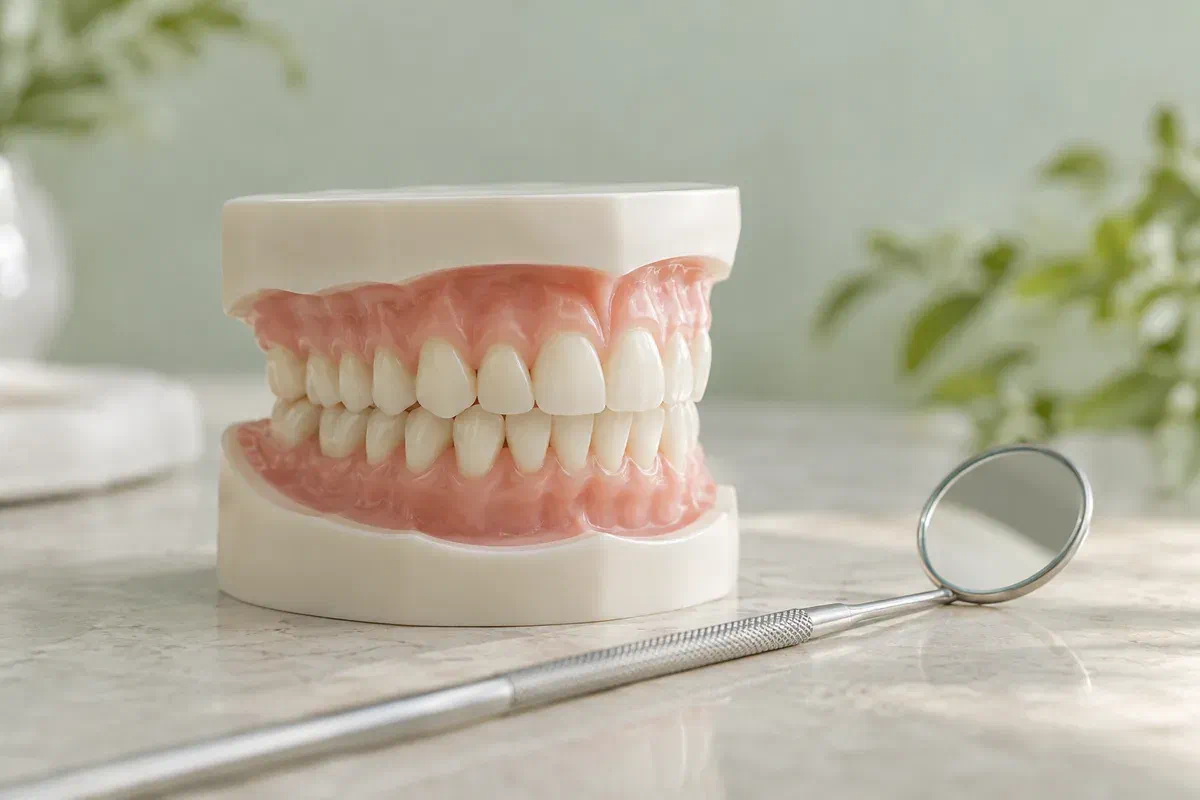
The look of your smile is only part of the assessment. The location and timing of soreness, signs of wear, and recent changes all help reveal whether the overlap is the cause.
Show the clinician what you see and ask how depth will be assessed. A photo may illustrate your concern, but it cannot confirm whether teeth are reaching soft tissue. The finding is read against your whole bite.
This is often the key detail. Say exactly where it is tender and whether it worsens when chewing or clenching. Ask whether the overlap is responsible and what should be addressed first. Irritated tissue should not be dismissed because the smile looks fine.
Mention chips, shortened edges, existing bonding or crowns, and any plans for veneers. Ask how heavy contacts might affect them. Restorations and the forces they absorb deserve to be planned together.
Jaw pain, clicking, or headaches need a separate assessment. They may have nothing to do with an overbite, and altering the overlap may not relieve them.
A useful assessment tells you whether your teeth are actually striking soft tissue and, if so, which ones. It should also tell you whether the clinician suggests monitoring or treatment, and what treatment would aim to change. Hearing that you have a deep bite does not, on its own, explain the sore spot.
It also clarifies whether the goal is comfort, appearance, or both. Relieving unwanted tissue contact and achieving a smile that looks straighter are not always the same outcome. Knowing which one a plan targets helps you weigh the options and their limits.
Ask which teeth are reaching which tissue and how the recommendation responds. Find out whether any existing irritation or damage needs separate care. A treatment plan should connect directly to that finding.
In children and teens, growth and erupting teeth can change the relationship, which affects timing. In adults, jaw relationships and previous dental work shape the choices. Ask how these factors apply to the person being seen.
If bonding, crowns, or veneers are being considered, ask whether the bite should be assessed first and which steps depend on it. Good coordination helps avoid placing a restoration without understanding the contacts it will meet.
Care may include monitoring, orthodontic records, or specialist input. Ask what the first visit covers and how the recommendation will be shared.
Explain where tissue feels tender, how long it has been happening, and any changes in chewing or appearance. Mention previous orthodontics, injuries, wear, and restorations, and any dental treatment already planned.
The clinician looks at how upper and lower teeth meet and checks the gums and palate. Records may help clarify the pattern. Ask which findings relate to vertical overlap, which to overjet, and whether other bite features are involved.
Discuss proposed movements, appliance choices, risks, your responsibilities, and alternatives. Ask how broad the treatment would be and whether a specialist should weigh in. Confirm stages and fees, keeping in mind that timelines are approximate.
The treating clinician reviews progress and responds to problems. Report any new soreness or appliance trouble. At the end, check that the sore area is no longer being struck, talk about pending repairs, and go over retainer instructions that help keep the teeth in place.
Your role depends on the appliance and treatment phase. Ask for a demonstration and written instructions, particularly for anything you will manage yourself.
Appliances, elastics, and other add-ons only do their job when worn the way they were prescribed. Have someone show you where each piece sits and explain its role. Tempting as it is, moving or doubling up components to get faster relief is not safe, so ask instead what to do after a missed day.
The gum or palate that prompted your visit still needs care while treatment runs. Ask how to brush and clean around the appliance without irritating it further. Keep your usual dental checkups, and tell the team if that spot flares up, bleeds, or another area starts getting rubbed.
When active movement ends, find out how long retainers should be worn and how they will be checked. Ask whether any repairs or cosmetic work can now go ahead. If the old soreness returns or a retainer no longer seats properly, book a review rather than waiting.
Patient information: British Orthodontic Society — retention after active treatment
Overlap, deep bite, and overjet are easily confused. Ask to see the relevant findings and have the purpose of any change explained.
Arrange a visit at our Bronte Street practice to check vertical overlap, soft-tissue contact, and any changes you have noticed. We will explain what we find and whether monitoring, an orthodontic referral, or coordinated dental care is the sensible next step.
We will only know whether care is needed, and what appliance, schedule, referral, or fee is involved, after examining you. Easing of gum soreness is likewise not guaranteed.
