

Illustrative patient and clinician discussing front-tooth overlap with a dental model
Cosmetic Dentistry

Treatment for Overbite in Halton Hills

Told to “keep an eye on” your overbite and not sure what that means? A second look can help. From anywhere in Halton Hills, book an assessment that explains your front-tooth overlap, what is worth watching, and when monitoring should give way to orthodontic care.

Halton Hills bite reviews

“Let’s watch it” should come with a plan.

Monitoring is a perfectly reasonable recommendation for many overbites. Some vertical overlap between the upper and lower front teeth is normal, and a moderate amount may never need correction. Still, watching only works when you know what is being watched, how often, and what would change the advice. Without that, it can feel like being left with an unanswered question.

Start by confirming the term. Overbite means the upper front teeth overlap the lower ones vertically. Teeth angled forward toward the lip are a horizontal relationship called overjet, assessed separately even though the two often appear together. Knowing which one is being monitored helps you notice the right kinds of change.

Families across Georgetown, Acton, Glen Williams, and the smaller hamlets of Halton Hills are welcome at our Bronte Street practice. Tell us what you were told before and what you have noticed since. We will explain what the exam looks for, which findings are significant, and whether monitoring still fits or an orthodontic opinion would be more useful.

Get a clear monitoring plan
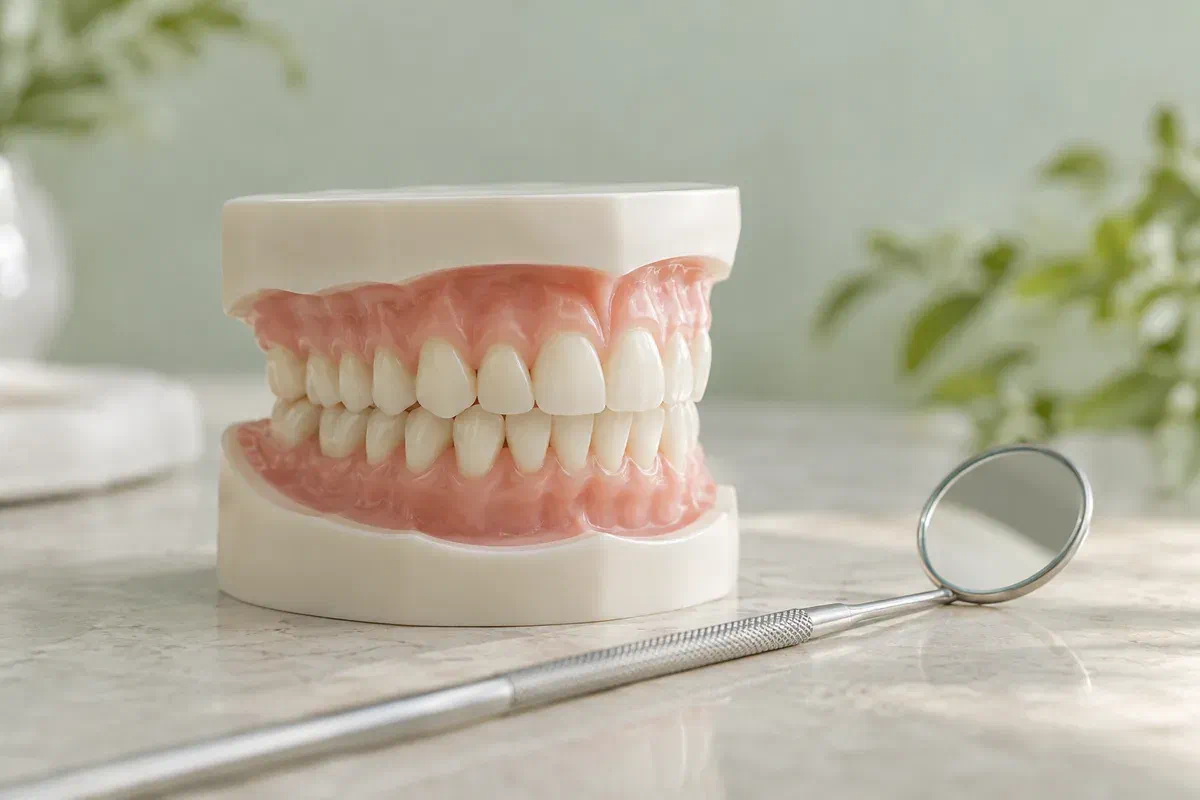
Illustrative paired dental teaching model viewed from the side to show front-tooth overlap
Changes worth tracking

What to notice between reviews

Appearance alone does not tell the whole story. Keep note of symptoms, wear, and anything that seems different so the clinician can compare against earlier findings.

The overlap looking deeper over time

If the lower teeth seem increasingly hidden, mention it and bring older photos if you have them. Ask how the overlap will be measured now and compared later. A change in appearance is useful information, but treatment decisions rest on the full bite.

New tenderness in the gum or palate

A sore spot that develops where teeth meet soft tissue can be a reason to review sooner. Describe where it is and when it began. Ask whether the overlap is involved and what should be dealt with first, even if the teeth look straight.

Front edges that chip or wear

Point out any new chips, flattening, or problems with existing repairs, and any plans for bonding or veneers. Ask whether these change the case for monitoring. A restoration’s future depends partly on the contacts it receives.

Headaches, jaw ache, or clicking need their own evaluation. These symptoms are not automatically explained by an overbite, and treating the overlap does not ensure they go away.

What a defined plan offers

Monitoring with a purpose, or a reason to move on

You should leave knowing how your teeth relate and why the clinician favours observation or treatment. If monitoring is the advice, ask what measurement or sign is being tracked and what would prompt a different recommendation. If treatment is suggested, ask what it is meant to change. A diagnosis term alone leaves too much unsaid.

It also helps separate cosmetic wishes from bite concerns. You might be happy to leave a moderate overlap alone if it is causing no harm, or you might want to improve how your smile looks regardless. Knowing which goal is being discussed helps you decide whether watching is enough for you.

Specific findings to keep track of

Ask which tooth or tissue contacts are relevant and what would count as a meaningful change. Check whether existing damage needs care now, independent of the bite. Monitoring should point at real observations, not just a general sense of caution.

Review intervals that suit age and growth

In children and teens, growth and erupting teeth can change the bite between visits, which may call for closer review. In adults, change may be slower but still worth checking. Ask how often you or your child should be seen and why.

Clarity on restorative timing

If you are considering cosmetic work, ask whether it can proceed during monitoring or should wait for a decision on alignment. Understanding which steps depend on the bite helps you avoid a restoration that later needs rethinking.

From assessment to decision

How a monitoring or treatment plan is built

Next steps may be periodic review, orthodontic records, or a specialist referral. Ask what this first visit covers and how the recommendation, including any review interval, will be explained.

  1. Review what you were told before

    Share any previous advice about your bite, along with what you have noticed since. Mention sore areas, chewing changes, past orthodontics, injuries, wear, and restorations. Tell us your goals and whether other treatment is already planned.

  2. Examine the current relationship

    The clinician looks at both arches together and checks oral health. Records may be suggested to create a baseline for future comparison. Ask which findings concern vertical overlap, which concern overjet, and whether other bite features matter.

  3. Decide whether watching still fits

    Compare continued monitoring with possible treatment, including movements, appliance options, risks, responsibilities, and fees. Ask about scope and whether a specialist opinion is worthwhile. Treat any proposed timeline as an estimate rather than a promise.

  4. Schedule reviews or follow active care

    If monitoring continues, book the next review and know what would bring you in sooner. If treatment begins, the treating clinician tracks progress. Either way, discuss the final bite, any restorative follow-up, and retention when the time comes.

If treatment begins

Habits that support the plan.

Responsibilities vary with the appliance and the stage of care. Ask for a demonstration and written guidance, especially for parts of the routine you will handle yourself.

Follow wear instructions closely

Wear the appliance and any elastics or extras for the time prescribed. Confirm exactly where each piece goes and what it is for. Do not adjust things yourself in an attempt to speed progress, and find out what to do if wear is missed.

Clean well and keep routine dental care

Have the hygienist point out the spots around your appliance that tend to get missed. Keep up regular checkups alongside orthodontic visits. Raise soreness, bleeding, or cleaning difficulties promptly so they are not left to build between appointments.

Plan maintenance after correction

Confirm retainer use and review, and whether any restorative work is still pending. Let the team know if your bite feels different later or a retainer no longer fits. A finished course should come with a clear plan for the years ahead.

Patient information: British Orthodontic Society — retention after active treatment

When monitoring is not the only answer

Three possible directions

Ask what each option would change, what it would not, and why it suits your findings. Appliances and treatment lengths are individual.

When the teeth can be repositioned

Orthodontic correction

Braces or suitable aligners may be discussed, depending on the movements needed. Ask about extra components or stages that might be involved. Your preference is welcome, but the choice must match what the assessment finds.

When jaw relationships or growth play a part

Specialist evaluation

A broader orthodontic opinion may be recommended, with other specialists if needed. Check whether the advice is about tooth position, the jaw relationship, or a mix of the two. Surgery is not a given with an overbite and would be raised only with a clear diagnosis and explanation.

When active correction is not chosen

Continued observation

Monitoring may continue, perhaps alongside treatment for an unrelated dental issue. Ask what will be checked and how often. Looking after teeth and gums remains worthwhile even if you never begin elective alignment.

Patient information: British Orthodontic Society — comparing limited and comprehensive treatment aims

Questions about watching an overbite

Monitoring, explained

It is easy to mix up overlap, deep bite, and overjet. If anything is unclear, ask for the findings to be pointed out and the reasoning explained.

(905) 876-4488
What does monitoring an overbite actually involve?
Usually it means periodic checks to see whether the overlap, contacts, or tissue health change. Ask what will be compared at each review and how findings will be recorded.
How often should a monitored overbite be reviewed?
That depends on age, growth, and the findings. A growing child may need closer follow-up than an adult with a stable bite. Ask the clinician to set a review interval and explain why.
What signs should bring me in before my next review?
New soreness in the gum or palate, chips or wear on front teeth, or a noticeable change in how the teeth meet are worth reporting. Ask which signs matter most in your situation.
Can I ask for a second opinion on my bite?
Yes. A second assessment can confirm findings or offer a different perspective. Bring any previous records you have so the comparison is as useful as possible.
Will monitoring stop me from having cosmetic work?
Not necessarily. Some cosmetic work can go ahead with the bite in mind, while other plans may be better after an alignment decision. Ask which applies to the work you are considering.
Can Halton Hills households group overbite reviews with routine checkups?
Often that is possible, depending on what each visit involves. Ask when booking whether a review can be combined with a cleaning or checkup, which may help reduce separate trips for the family.
Overbite care for Halton Hills

Turn a vague watch-and-wait into a clear plan.

Book at our Bronte Street practice to review vertical overlap, tooth and gum contacts, and any changes since your last check. You will hear our findings, and our view on whether continued monitoring, an orthodontic opinion, or coordinated dental care is most appropriate.

Treatment need, review timing, appliance suitability, referral, and fees depend on examination. We cannot promise a particular approach or symptom outcome.

Visit Milton Dental Clinic
Unit 1, 342 Bronte St. S, Milton, ON L9T 5B7
Get directions Clinic hours
Monday–Thursday
11am–7pm
Friday–Sunday
By appointment only

Areas we serve

  • Milton
  • Oakville
  • Mississauga
  • Georgetown
  • Halton Hills
  • Acton
  • Campbellville
  • Brampton
  • Burlington
  • Puslinch
  • Rockwood
  • Erin
  • Caledon
  • Etobicoke
  • Old Milton
  • Bronte Meadows
  • Timberlea
  • Dorset Park
  • Dempsey
  • Clarke
  • Beaty
  • Coates
  • Harrison
  • Scott
  • Willmott
  • Ford
  • Bowes
  • Cobden
  • Walker
  • Mountain View
  • Milton Heights
  • Hawthorne Village
  • Valley View
  • Fallingbrook
  • Nassagaweya
  • Trafalgar
  • Esquesing
  • Nelson
  • Brookville
  • Moffat
  • Glen Williams
  • Norval
  • Limehouse
  • Stewarttown
  • Ashgrove
  • Hornby
  • Silver Creek
  • Speyside
  • Scotch Block
  • North Oakville
  • River Oaks
  • Glen Abbey
  • West Oak Trails
  • Palermo
  • Bronte Creek
  • College Park
  • Joshua Creek
  • Uptown Core
  • Preserve
  • Iroquois Ridge
  • Lisgar
  • Meadowvale
  • Meadowvale Village
  • Churchill Meadows
  • Erin Mills
  • Central Erin Mills
  • Streetsville
  • East Credit
  • Creditview
  • Heartland
  • Sheridan
  • Mount Pleasant
  • Credit Valley
  • Huttonville
  • Churchville
  • Springbrook
  • Northwest Brampton
  • Bram West
  • Fletcher's Meadow
  • Fletcher's Creek South
  • Alton Village
  • Orchard
  • Millcroft
  • Headon Forest
  • Tansley
  • Brant Hills
  • Tyandaga
  • Kilbride
  • Lowville
  • Aberfoyle
  • Morriston
  • Arkell
  • Hillsburgh
  • Freelton
  • Carlisle
  • Waterdown
  • Flamborough
  • Mountsberg

How can we help?

Milton Dental Clinic

Have a question about your smile? Choose the option that works best for you.

For urgent dental concerns, please call.
Messages are reviewed during clinic hours.