

Illustrative patient and clinician discussing front-tooth overlap with a dental model
Cosmetic Dentistry

Treatment for Overbite in Old Milton

Worn front edges, an old filling that keeps chipping, or a plan to refresh your smile can all lead back to the same question: how do your front teeth overlap? An overbite review near Old Milton puts the bite, the contacts, and your options in order.

Old Milton, years of dental history

Before redoing the front teeth, look at how they meet.

Plenty of adults arrive with decades of dental work already in place: a bonded edge here, a crown there, a filling that has been patched more than once. When those front repairs keep failing, the overlap between the upper and lower teeth is worth checking. Some vertical overlap is normal. A deeper one can concentrate contact on certain surfaces, and that may shape what a new restoration needs to withstand.

Overbite is a vertical measurement: how far the top front teeth cover the bottom ones. Teeth that tilt forward toward the lip are a separate horizontal finding called overjet. Either can exist without the other, or both can be present. Using the right term means the advice you get matches the problem you are trying to solve.

From the historic downtown streets of Old Milton, our Bronte Street practice is close at hand. Bring your questions about older work, sensitivity, or the look of your smile. We will explain what the exam checks, which findings matter for your plans, and whether an orthodontic opinion is worth getting before anything is replaced.

Talk about your bite and older work
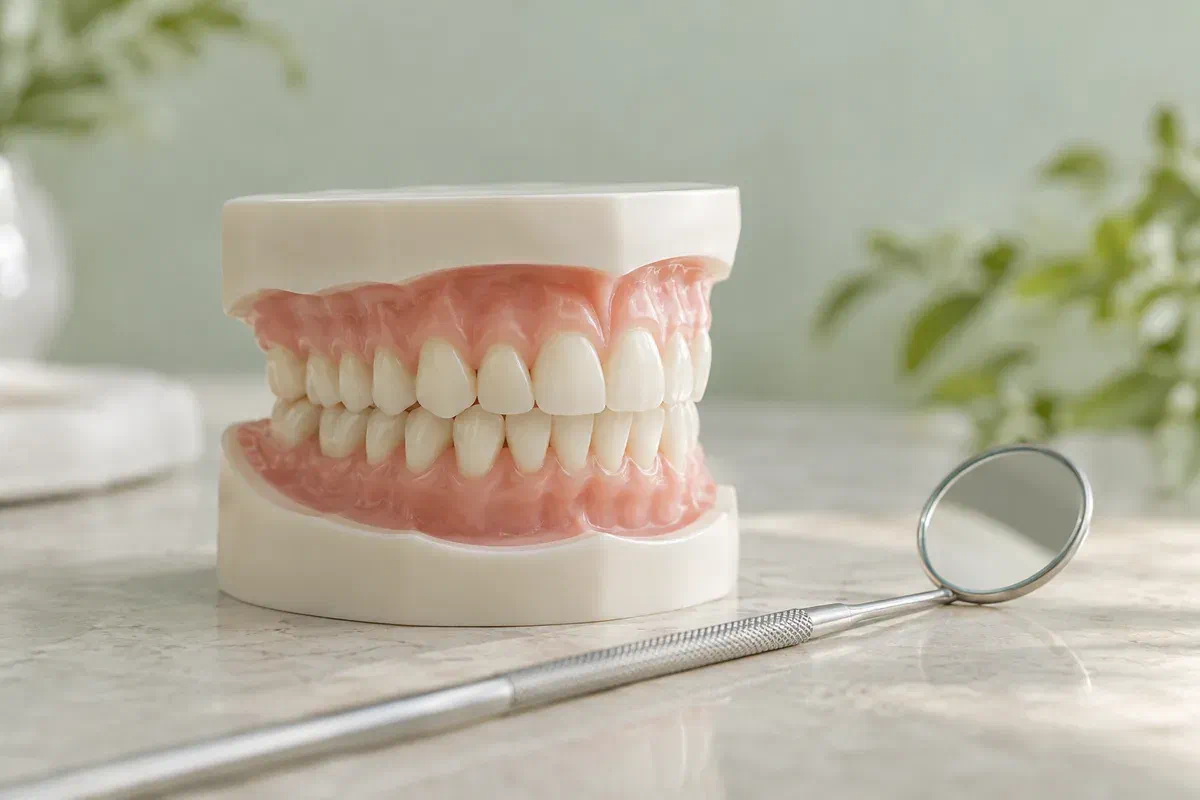
Illustrative paired dental teaching model viewed from the side to show front-tooth overlap
Worth mentioning

Your dental history tells part of the story.

How the teeth look is only one consideration. Old repairs, edges that have shortened, and areas that feel different lately all help the clinician understand your bite.

Front teeth that overlap more than they used to

If the bottom teeth seem more hidden than in older photos, say so and ask how the overlap will be assessed now. Change over time is a useful observation, but it does not decide treatment on its own. The clinician will read it against your whole bite and what you want.

A gum or palate spot that gets bumped

Describe any place that feels tender or is struck each time you close. Ask whether the overlap is involved and which concern should come first. Irritated tissue merits an exam even when the front teeth look tidy from across the room.

Repairs that keep chipping or wearing

List previous bonding, crowns, or veneers on the front teeth and anything you plan to redo. Ask how the bite might affect durability and design. Any restoration lives with the contacts around it, so the two are better planned together than one after the other.

A sore jaw, headaches, or clicking call for their own evaluation. It would be a mistake to blame every symptom on overlap or to expect bite changes to fix them.

Why it pays to check first

Plan the repair around the bite it has to live with

The goal of a bite review is an honest explanation of how your teeth come together and whether that matters. You should hear plainly whether the clinician would keep an eye on the overlap or suggest treating it, and what any change is supposed to accomplish. Calling it a deep bite does not settle anything by itself.

For someone with existing restorations, this step also untangles two goals that are easy to blur: a fresher-looking smile and a different vertical relationship. One can sometimes be achieved without the other. Knowing which you are pursuing helps you weigh options and accept realistic limits.

A map of the contacts involved

Ask which teeth, edges, or tissues are being contacted and how that informs the advice. Find out whether worn or broken areas need care of their own. Every recommendation should trace back to something observed, rather than to a measurement or appliance name alone.

Choices that suit an adult mouth

Adult bites bring their own factors, including jaw relationships, gum health, and previous dental work. Ask which of these shape your choices. Where a younger family member is involved, ask how growth and new teeth influence timing. Care should fit the individual.

A sensible order of treatment

When new crowns, bonding, or veneers are on the table, ask whether the bite should be evaluated beforehand. Clarify which steps wait on that result. Sequencing well can prevent a restoration from being designed without knowing the forces it will face.

What the review involves

History first, then the bite, then the options.

Depending on findings, care might mean monitoring, orthodontic records, or a specialist opinion. Ask what the first visit covers and how the recommendation will be shared with you.

  1. Go over your story and goals

    Explain what you notice about the overlap, any sore patches, and changes in chewing or appearance. Mention past orthodontics, injuries, wear, and the age of existing restorations. Say what you would like to improve and whether other dental work is already planned.

  2. Examine the overlap and related contacts

    Both arches are looked at together, along with gums and the condition of existing work. Photos, scans, or X-rays may be suggested. Ask which findings are about vertical overlap, which are about forward projection, and whether anything else affects the plan.

  3. Compare treatment with watching

    Review proposed movements, appliance choices, risks, your responsibilities, and alternatives such as observation. Ask whether care is limited or comprehensive and whether a specialist should weigh in. Confirm stages and fees, remembering that a timeline is an estimate.

  4. Monitor progress, then plan retention and repairs

    Progress is reviewed by the treating clinician, who responds to any difficulty. Report appliance trouble or new discomfort. At the end, discuss the final contacts, which restorations can then proceed, and how retainers will help hold tooth positions.

Looking after your progress

Steady habits, honest updates.

Your tasks vary with the appliance and the stage of care. Ask to be shown what to do and to take notes home, particularly for anything you will manage between visits.

Follow appliance and elastic instructions

Keep to the wear schedule and adjustments you have been given. If elastics or other add-ons are prescribed, confirm where they sit and what they do. Avoid changing the arrangement in the hope of faster results, and ask how to recover after missed wear.

Protect existing restorations and gums

Ask how to clean around appliances and older crowns or bonding, and which areas are tricky. Keep regular dental visits alongside alignment appointments. Report soreness, bleeding, or a chipped repair so it can be examined rather than tolerated.

Confirm what comes after correction

Find out how retainers will be worn and reviewed, and when any planned restorative work can begin. Let the team know if your bite feels different later or a retainer stops fitting well. A finished course still needs a clear maintenance plan.

Patient information: British Orthodontic Society — retention after active treatment

Approaches to consider

Three directions, chosen by findings.

Ask what each route would alter, what it would leave alone, and why it suits your bite. Appliance types and treatment lengths differ from one person to the next.

When tooth movement can achieve the goal

Repositioning teeth orthodontically

Fixed braces or appropriate aligners may come up, depending on the movements required. Ask about any extra parts or phases. You are welcome to share an appliance preference, but suitability has to rest on what the assessment shows.

When jaw relationships are a factor

Wider planning with specialists

A broader orthodontic evaluation may be suggested, with other specialists where needed. Ask whether the plan involves teeth, jaws, or both. Surgery is not automatically part of overbite care; it would only be raised with a specific diagnosis and explanation.

When you choose not to move teeth

Observation and targeted repairs

Monitoring, or dealing with a separate dental problem first, may be recommended. Ask what will be watched and when to return. Keeping your teeth and existing work healthy remains worthwhile even if you decide against elective alignment.

Patient information: British Orthodontic Society — comparing limited and comprehensive treatment aims

Old Milton bite questions

What adults with existing dental work often ask

Terms such as deep bite and overjet are easily confused. Ask the clinician to show you what they see and explain what a change would aim for.

(905) 876-4488
Can my overlap change as I get older?
Bites can shift over time for various reasons, including tooth wear, gum changes, and missing or restored teeth. If you think yours has changed, mention it. The clinician can compare current findings with your history and explain what they mean.
Should I fix my bite before replacing old front crowns?
It depends on the findings. Opposing contacts can affect how a crown is designed and how it holds up. Ask whether an alignment opinion would be useful first and which decisions depend on it. Sometimes restorative work can go ahead with the bite in mind.
Are adults too old for overbite treatment?
Adults can be assessed and treated, though gum health, jaw relationships, and existing dental work affect what is suitable. Ask which factors apply to you and what a realistic aim would be.
Is a deep overlap the same as protruding front teeth?
No. Overlap is vertical, while protrusion toward the lip is horizontal overjet. They can appear together. Ask which you have and which one a proposed plan is meant to address.
Does an overbite always cause problems?
No. Many people have some overlap without trouble. Significance depends on depth, contacts, tissue health, and any related concerns. Ask the clinician what makes your finding worth treating or simply worth watching.
If I am told to wait and watch, what exactly should I look out for?
Ask which findings will be tracked, when the next review is, and what should bring you in sooner, such as new soreness or a chipped edge. Any separate care for wear or repairs should also be clear. Watching should come with a purpose you understand.
Overbite reviews for Old Milton

Get the bite right before the next repair.

Book a visit at our Bronte Street practice to talk about vertical overlap, how your teeth and restorations make contact, and what has changed. We will explain our findings and whether monitoring, an orthodontic referral, or coordinated restorative care makes most sense.

Every recommendation, from whether to treat to appliance, timing, referral, and fees, follows an examination. Specific methods and symptom changes cannot be promised.

Visit Milton Dental Clinic
Unit 1, 342 Bronte St. S, Milton, ON L9T 5B7
Get directions Clinic hours
Monday–Thursday
11am–7pm
Friday–Sunday
By appointment only

Areas we serve

  • Milton
  • Oakville
  • Mississauga
  • Georgetown
  • Halton Hills
  • Acton
  • Campbellville
  • Brampton
  • Burlington
  • Puslinch
  • Rockwood
  • Erin
  • Caledon
  • Etobicoke
  • Old Milton
  • Bronte Meadows
  • Timberlea
  • Dorset Park
  • Dempsey
  • Clarke
  • Beaty
  • Coates
  • Harrison
  • Scott
  • Willmott
  • Ford
  • Bowes
  • Cobden
  • Walker
  • Mountain View
  • Milton Heights
  • Hawthorne Village
  • Valley View
  • Fallingbrook
  • Nassagaweya
  • Trafalgar
  • Esquesing
  • Nelson
  • Brookville
  • Moffat
  • Glen Williams
  • Norval
  • Limehouse
  • Stewarttown
  • Ashgrove
  • Hornby
  • Silver Creek
  • Speyside
  • Scotch Block
  • North Oakville
  • River Oaks
  • Glen Abbey
  • West Oak Trails
  • Palermo
  • Bronte Creek
  • College Park
  • Joshua Creek
  • Uptown Core
  • Preserve
  • Iroquois Ridge
  • Lisgar
  • Meadowvale
  • Meadowvale Village
  • Churchill Meadows
  • Erin Mills
  • Central Erin Mills
  • Streetsville
  • East Credit
  • Creditview
  • Heartland
  • Sheridan
  • Mount Pleasant
  • Credit Valley
  • Huttonville
  • Churchville
  • Springbrook
  • Northwest Brampton
  • Bram West
  • Fletcher's Meadow
  • Fletcher's Creek South
  • Alton Village
  • Orchard
  • Millcroft
  • Headon Forest
  • Tansley
  • Brant Hills
  • Tyandaga
  • Kilbride
  • Lowville
  • Aberfoyle
  • Morriston
  • Arkell
  • Hillsburgh
  • Freelton
  • Carlisle
  • Waterdown
  • Flamborough
  • Mountsberg

How can we help?

Milton Dental Clinic

Have a question about your smile? Choose the option that works best for you.

For urgent dental concerns, please call.
Messages are reviewed during clinic hours.