Biting into food takes a workaround
Explain which foods you cut with the side teeth and where the front teeth miss. That separates tooth-position findings from jaw factors. Even if you choose not to treat, understanding the mechanics is useful.


Not every underbite assessment ends with treatment. For households in Campbellville, a clear diagnosis can support any decision, from orthodontics or a specialist referral to simply monitoring the bite at regular checkups with a plan for what to watch.
An underbite, where the lower front teeth close outside the upper ones, can be mild and stable or more significant. It may involve how teeth have positioned themselves, how the jaws relate, or both. Knowing which applies tells you whether treatment, referral, or monitoring is the reasonable next step.
Reaching that answer means looking at the whole bite. The fit of the back teeth, any forward shift as the jaw closes, the condition of teeth and gums, and growth in children all count. Someone else’s similar jaw line, or a single photo, won’t settle what is best for you.
From Campbellville, you might want to fit this into a visit you already have planned. Tell us when booking. Bring questions about chewing, appearance, a child’s bite, or earlier braces, and we will explain what the assessment covers. Hearing the findings is not a commitment to treat, and surgery is never assumed.
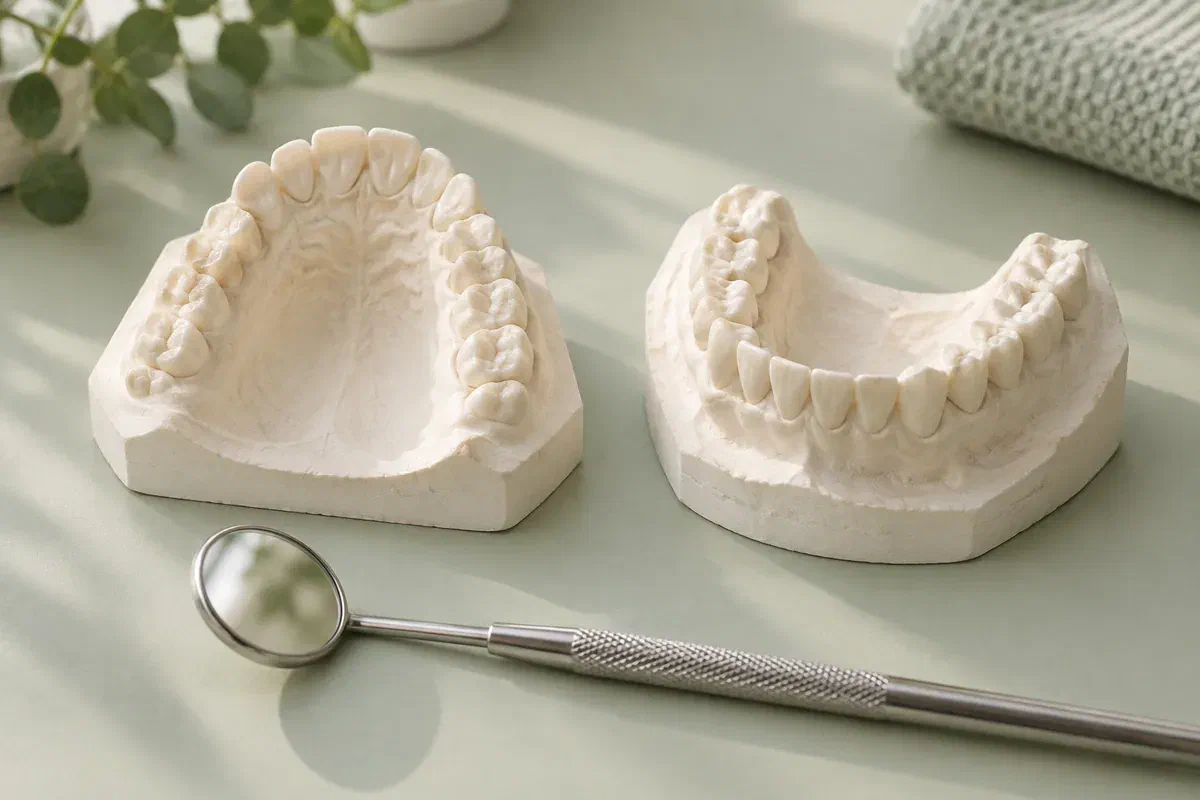
Mention whether the bite has always been the same, seems to be shifting, or came to notice as a child grew. That history helps decide between acting now and watching over time.
Explain which foods you cut with the side teeth and where the front teeth miss. That separates tooth-position findings from jaw factors. Even if you choose not to treat, understanding the mechanics is useful.
Ask at the next checkup whether an orthodontic opinion would be helpful now. Growth affects timing, so advice is individual. Often an early look leads to scheduled monitoring with clear signs to report.
Point out chipped edges, worn surfaces, repairs that fail, or a bite that feels different. Changes like these may tip the balance toward treatment, or need their own care. They should be assessed rather than blamed on the underbite by default.
Underbite describes how the front teeth look when closed, not a single jaw diagnosis. Ask how much of what you see is dental and how much skeletal, and whether it is part of a wider bite pattern.
If you know what is behind the bite, you can compare options properly, including the option of no active treatment. A plan that moves teeth leaves the jaw relationship as it is; another may address that relationship. Asking what each would change and what it would leave gives you a sound basis for choosing.
Uncertainty is part of every route. Growth, tooth response, oral health, and the practical demands of appointments all matter, especially when a household is fitting visits around work, school, and rural driving. Seeing those factors helps you weigh things honestly and understand when records or a specialist opinion would help.
Ask to be shown the findings and told what contributes most. Is it the teeth, the jaws, a forward slide, or several? That explanation is just as valuable if you decide to monitor.
Discuss the limits of tooth-only treatment, what a broader plan would target, and what monitoring involves. Ask which compromises come with each. You should not have to infer the difference from fees.
If a referral is suggested, ask what it would clarify and what follows. Agree who handles regular checkups and repairs. Knowing the purpose of each visit helps Campbellville households group appointments sensibly.
The sequence depends on what is found and what you want. Ask which choices can be made on the day and which are better revisited after a period of observation.
Tell the clinician when the forward bite first caught your attention, whether it has changed since, and what worries you most about it. Mention earlier orthodontics, jaw injury, dental work, and family history. For a child, list your growth questions in advance so they are covered in one visit.
The clinician examines the mouth and decides which records would clarify the bite. Ask what each record adds. If anything else needs dental treatment first, it is identified here.
Each path is reviewed with its responsibilities, risks, stages, and fees, including what monitoring would involve. Find out if an orthodontist or surgeon should weigh in, and if a given plan is limited to tooth movement. Take time before agreeing to anything permanent; a decision to monitor can always be revisited.
If treating, confirm who leads each stage and how updates will be shared. If monitoring, agree what will be checked and how often. Either way, discuss retention or review, remaining dental needs, and what changes should prompt a call.
Appliances, growth-related approaches, and surgical plans each have their own routines. Follow the guidance of whichever provider is managing the treatment you have chosen.
Confirm wear time, cleaning, any adjustments, and the next visit. If a child is being treated, agree which tasks need an adult. Call early with problems rather than changing the routine on your own.
Preventive visits and repairs continue during wider treatment. Let each provider know what the others are doing. Agree in advance who should see a broken filling, sore tooth, or gum concern between specialist appointments.
Where teeth have moved, ask about retainers and how often they will be checked. With surgery, the surgeon’s recovery directions apply. Find out how the final bite will be watched over the years.
A good consultation makes the roles of teeth, jaws, and growth understandable. It also respects your right to choose how much treatment, if any, to pursue.
Book a visit at our Bronte Street practice for lower front teeth that sit outside the upper ones, chewing difficulties, or a child’s developing bite. We will explain the findings and talk through treatment, referral, or monitoring.
The need for treatment, its scope and timing, any specialist role, and the fees are worked out through assessment. No appliance can guarantee a result, and monitoring does not rule out future care.
