

Illustrative patient and clinician reviewing upper and lower dental models during a bite discussion
Cosmetic Dentistry

Treatment for Underbite in Mississauga

Before choosing aligners, braces, or anything else for an underbite, it helps to know what the appliance would be working against. From Mississauga, you can have tooth positions and jaw relationship assessed so you compare plans by what they aim to change.

Diagnosis before devices

Can clear aligners fix an underbite?

Sometimes they can help, and sometimes they are the wrong tool. The honest answer depends on why your lower front teeth close ahead of the upper ones. When tooth position is the main issue, moving teeth may be enough. When the jaws themselves are mismatched, an appliance can only do so much.

Sorting that out takes more than a smile scan. A dentist considers how your back teeth come together, whether the lower jaw glides forward as you close, the health of teeth and gums, and, for teenagers, how much growth may remain. Online photos and before-and-after images can’t make that call for you.

Come with the treatment you have been reading about, a quote you are unsure of, or a child’s bite you want checked. We will describe what an assessment covers and which next steps might fit. Starting the conversation does not commit you to any appliance, nor does it mean jaw surgery is on the horizon.

Ask before you choose an appliance
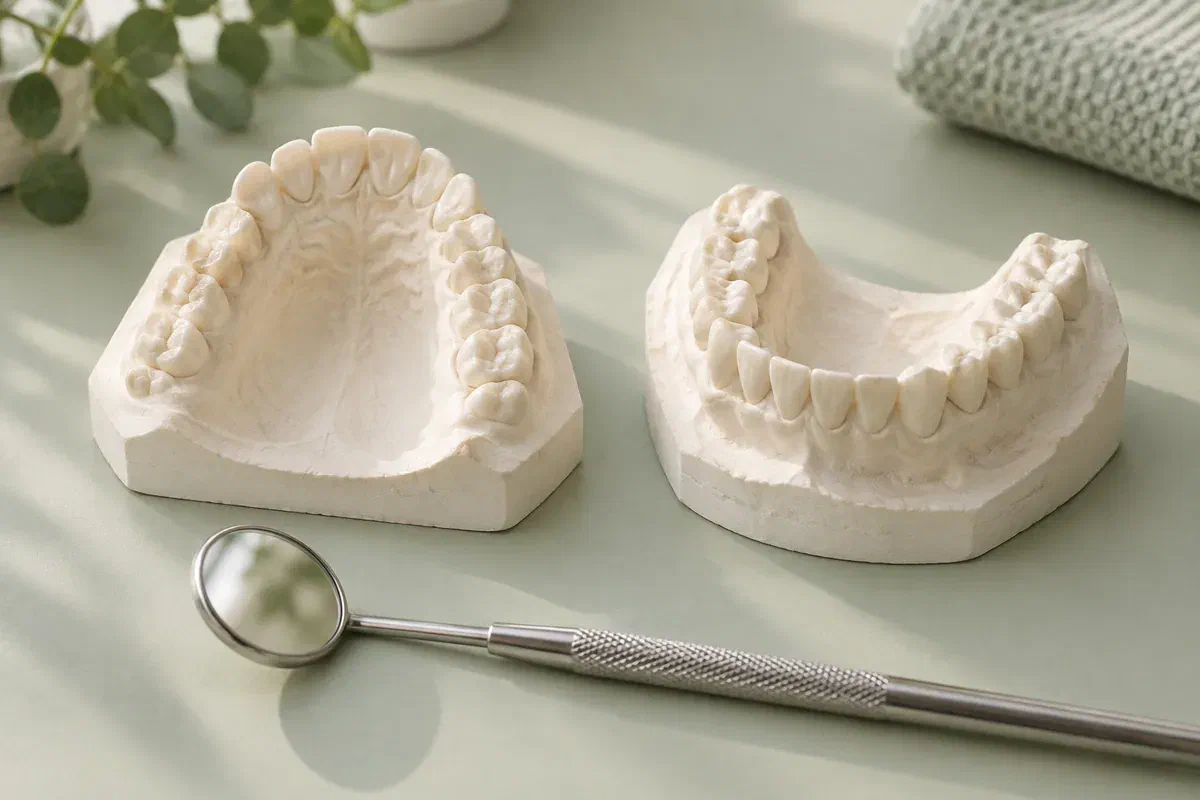
Illustrative upper and lower dental study casts arranged for a bite-planning discussion
Concerns people bring from Mississauga

What does the bite make harder for you?

A description of your day-to-day experience adds context the examination alone may miss. Say whether the relationship seems stable, has been changing, or emerged as a child grew.

Biting and chewing that never feel efficient

Explain which foods are difficult and where your front teeth miss each other. The clinician can then separate tooth-position factors from jaw factors. Understanding the mechanics should come before any decision about correction.

A child whose lower teeth are moving forward

Ask at their dental visit whether an orthodontic opinion is appropriate. Development affects both the options and the timing, which are set individually. Sometimes an early look ends with a plan to monitor rather than treat.

Wear, breakage, or relapse after earlier treatment

Mention worn or chipped edges, repairs that fail, past braces or aligners, or a bite that has drifted. These may influence the plan or need care of their own. Every symptom should be assessed rather than blamed on the underbite by default.

Underbite describes a visible relationship, not a single jaw diagnosis. Ask for the dental and skeletal findings to be explained, along with whether the front teeth belong to a wider pattern.

What you learn before committing

The goal comes first; the appliance follows.

Two plans can look alike and aim at different things. One may tilt and shift teeth around a jaw relationship that stays put; another sets out to change that relationship. Asking what will change and what will remain is a fairer comparison than appliance looks or advertised timelines.

Uncertainty belongs in the conversation as well. Growth, how teeth respond, oral health, and how consistently you can wear or attend all affect the outcome. Seeing those factors helps you decide with confidence and explains why further records or a specialist opinion may be recommended.

A clear picture of the cause

Ask to be shown the findings and told, plainly, what contributes most. Is the recommendation based on the teeth, the jaws, a forward slide, or several of these? That diagnosis is the yardstick for every plan you consider.

Plans compared by reach, not branding

Discuss what tooth movement alone would not change and what a broader plan would target. Ask which compromises are part of each one. You should not have to guess the difference from a price list or an appliance name.

A defined role for any specialist

If a referral is suggested, ask what question it is meant to answer and what follows. Confirm who keeps managing your regular dental care and repairs. A clear purpose for each visit keeps a longer process from feeling scattered.

Steps toward a decision

Understand first, then sequence the care

Order and timing follow the findings, growth, and your goals. Ask which decisions are possible at the first visit and which wait for more information.

  1. Describe the bite and any treatment so far

    Share what you notice, how long it has been there, and whether function or looks matter most. Mention aligners or braces you have had, any jaw injury, dental work, and family history. Bring the details of any quote you received elsewhere.

  2. Assess the arches and how the jaws meet

    Your mouth is examined with the bite in mind: how each arch is shaped, where teeth touch, and how the jaw closes. Photos, images, or scans may be suggested, and you can ask what each one shows. Decay or gum problems that should be treated first are noted here.

  3. Compare suitable routes honestly

    Go through responsibilities, risks, stages, and fees. Find out whether a specialist should be involved and whether a plan moves teeth only or includes jaw correction. Take time with the implications before agreeing to anything irreversible.

  4. Coordinate, review, and maintain

    After choosing, confirm which provider handles each stage and how updates will be shared. Follow your specific appliance instructions and attend reviews. Near completion, discuss retention, leftover dental needs, and how future changes will be monitored.

While treatment is underway

Aligner rules, growth-appliance rules, and surgical rules differ.

Each type of treatment carries its own instructions. Follow the provider who is responsible for the care you are actually receiving, not general advice meant for another approach.

Know your routine in detail

Confirm wear hours, cleaning, any changes you make at home, and the next appointment. For a child, agree which steps a parent should supervise. Raise problems early instead of skipping wear or adjusting an appliance yourself.

Don’t pause everyday dental care

Keep up with cleanings, checkups, and repairs alongside the wider treatment. Tell each provider about the other care underway. Agree who should look at a broken filling, a sore tooth, or a gum concern between specialist visits.

Ask about the stage after active treatment

Where teeth have moved, retainers and reviews usually follow. If surgery is involved, the surgeon’s recovery instructions take priority over orthodontic advice. Find out how your final bite and dental health will be watched over time.

Three directions, three aims

Teeth, growth, or jaws: which one is the plan about?

Each route deals with some findings and leaves others. Whether you are still growing, how marked the jaw difference is, the health of your mouth, and what you want most decide which are worth discussing.

When repositioning teeth can achieve the change

Orthodontics for a mainly dental underbite

Braces, aligners where suitable, or other orthodontic methods may be considered after assessment. Ask what would improve while the jaw relationship stays as it is, and what compromise is involved. Let those goals pick the appliance.

When development is still underway

Growth-guided treatment for younger patients

Some growing children and teens may be offered an early approach after specialist evaluation. Ask what that phase is meant to do and what may follow. It cannot guarantee a particular growth pattern.

When the skeletal relationship is significant

Orthodontics planned alongside jaw surgery

Some people benefit from a joint orthodontic and surgical opinion comparing possible correction with non-surgical limits. That is a detailed, separate decision, not an automatic one. Discuss order of steps, recovery, risks, and alternatives with those specialists.

Patient information: American Association of Orthodontists — coordinated surgical orthodontic care

Appliance and planning questions

Before you sign up for treatment

A useful consultation explains how teeth, jaws, and development fit together. It also gives you space to say how far you are prepared to go.

(905) 876-4488
Why might two clinics suggest very different treatment for the same underbite?
They may be aiming at different goals, such as a tooth-only improvement versus a change to the jaw relationship. Ask each provider what their plan would change, what it would leave, and what compromise is built in.
What should I ask if an online aligner company says it can treat my underbite?
Ask who will examine your bite in person, whether jaw position has been assessed, and what happens if the teeth don’t move as planned. An in-person assessment can clarify whether moving teeth alone suits your situation.
Can elastics or rubber bands be part of underbite treatment?
In some orthodontic plans, elastics help guide how the teeth come together. Whether they apply depends on the plan your provider designs. Ask what they are for and how long they would be worn.
Will an underbite plan fix the way my lower jaw looks in profile?
That depends on whether the plan changes the jaw relationship. Moving teeth alone may make little difference to the profile. Ask what change in appearance, if any, a given route is expected to bring.
What happens if my teeth drift back after underbite treatment?
Teeth can shift over time, which is why retainers and follow-up matter. Contact the provider who treated you, or bring it to an assessment, so the change and any options can be explained.
Is it practical to come from Mississauga for multi-stage planning?
Many people do. Ask at booking which records can be taken on the first visit and how referrals are arranged, so you can plan appointments around work and family commitments.
Coming from Mississauga

Get the diagnosis before the quote.

Request an assessment at our Bronte Street practice for lower teeth that sit ahead of the upper ones, awkward chewing, or a child’s developing bite. We will explain the findings and talk through any referral that could help.

Only an assessment can show whether you need treatment, how extensive it would be, whether growth timing matters, if a specialist should be involved, and what it would cost. No appliance can promise a result or rule out further care.

Visit Milton Dental Clinic
Unit 1, 342 Bronte St. S, Milton, ON L9T 5B7
Get directions Clinic hours
Monday–Thursday
11am–7pm
Friday–Sunday
By appointment only

Areas we serve

  • Milton
  • Oakville
  • Mississauga
  • Georgetown
  • Halton Hills
  • Acton
  • Campbellville
  • Brampton
  • Burlington
  • Puslinch
  • Rockwood
  • Erin
  • Caledon
  • Etobicoke
  • Old Milton
  • Bronte Meadows
  • Timberlea
  • Dorset Park
  • Dempsey
  • Clarke
  • Beaty
  • Coates
  • Harrison
  • Scott
  • Willmott
  • Ford
  • Bowes
  • Cobden
  • Walker
  • Mountain View
  • Milton Heights
  • Hawthorne Village
  • Valley View
  • Fallingbrook
  • Nassagaweya
  • Trafalgar
  • Esquesing
  • Nelson
  • Brookville
  • Moffat
  • Glen Williams
  • Norval
  • Limehouse
  • Stewarttown
  • Ashgrove
  • Hornby
  • Silver Creek
  • Speyside
  • Scotch Block
  • North Oakville
  • River Oaks
  • Glen Abbey
  • West Oak Trails
  • Palermo
  • Bronte Creek
  • College Park
  • Joshua Creek
  • Uptown Core
  • Preserve
  • Iroquois Ridge
  • Lisgar
  • Meadowvale
  • Meadowvale Village
  • Churchill Meadows
  • Erin Mills
  • Central Erin Mills
  • Streetsville
  • East Credit
  • Creditview
  • Heartland
  • Sheridan
  • Mount Pleasant
  • Credit Valley
  • Huttonville
  • Churchville
  • Springbrook
  • Northwest Brampton
  • Bram West
  • Fletcher's Meadow
  • Fletcher's Creek South
  • Alton Village
  • Orchard
  • Millcroft
  • Headon Forest
  • Tansley
  • Brant Hills
  • Tyandaga
  • Kilbride
  • Lowville
  • Aberfoyle
  • Morriston
  • Arkell
  • Hillsburgh
  • Freelton
  • Carlisle
  • Waterdown
  • Flamborough
  • Mountsberg

How can we help?

Milton Dental Clinic

Have a question about your smile? Choose the option that works best for you.

For urgent dental concerns, please call.
Messages are reviewed during clinic hours.