

Illustrative clinician and patient discussing a tooth model during an enamel assessment
Cosmetic Dentistry

White Spot Treatment in Erin

Charcoal powder, lemon and baking soda pastes, scraping with a nail file: the internet has plenty of ideas for fading a white tooth mark. Before trying any of them, people in Erin can have the patch examined and hear what is actually safe for that enamel.

Before the home remedy

Put down the nail file.

It is easy to see why home fixes are tempting. A chalky mark looks like something sitting on top of the tooth, so scrubbing it off seems logical. In reality, most white spots are changes within the enamel itself, and abrasive or acidic remedies tend to remove healthy tooth rather than the mark.

That matters most when the patch represents enamel that is already losing minerals. Scrubbing or applying acid can weaken it further. Other white areas are developmental and will not respond to home methods at all, while a few sit on a surface that has broken down and needs proper care.

Coming to us from Erin or Hillsburgh, you can have the mark examined, learn what it really is, and get a plan that protects the enamel. If you want the patch to look different, we will talk through approaches that are designed for the job and suited to your tooth.

Get safe advice about a white spot
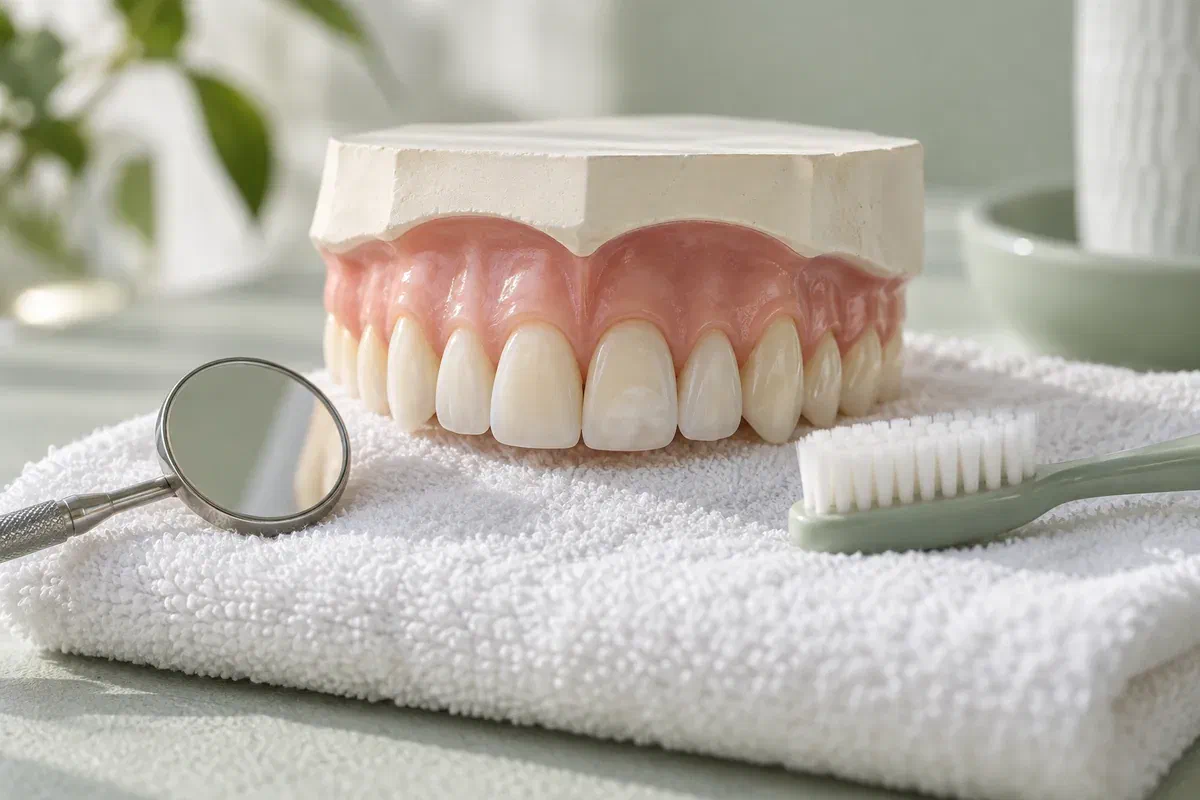
Illustrative dental teaching model with a subtle white enamel patch beside a mirror and toothbrush
Useful to mention

Tell us what you have already tried.

We look at the patch, the surrounding enamel and the gums. It helps to know about any products or remedies used so far, even ones that seemed harmless.

A newer chalky patch near the gums

A dull area along the gumline or where braces were may mean minerals have been leaving the enamel. This is the type of mark that home scrubbing can make worse. We will look at what keeps the risk going and suggest a gentle routine that supports the surface instead.

A mark that has never changed

Flecks seen in old photos, or similar patterns on several teeth, usually relate to how the enamel formed. Home remedies will not reach them, because they are part of the tooth’s structure. Knowing that saves a lot of wasted effort and helps focus the appearance conversation.

A spot that feels rough after home treatment

If the area now feels gritty, looks stained at the edge, catches food or has become sensitive, please mention it, including what you used. These signs may mean the surface needs attention. Stop any further home remedies until it has been examined.

What looks like a mark on the tooth is usually a change in the tooth. When the enamel is in the early stages of losing minerals, the right care may halt that before any cavity develops, but only gentle, appropriate care helps; abrasion and acid work against it.

Why professional advice is worth it

Protect the enamel first; the colour question comes next

A sound plan begins by stating what it is for. It may aim to stop mineral loss, to monitor a mark that is stable, or to make a patch less visible. Each goal has its own measure, and a spot that remains faintly white is not a sign that the protective care has failed. It may simply be how that enamel looks when it is healthy.

When appearance is the goal, ask what each option involves for the tooth. Professional enamel techniques are designed to change how a patch looks without scouring the surface, while bonding adds material that will need care. Compare the improvement you can expect with those trade-offs. A softer contrast may satisfy you, and leaving a sound mark alone is always allowed.

An explanation that replaces guesswork

You should hear what in the exam points to the cause and whether a photograph or a later look would confirm it. If it is uncertain, ask what that means for deciding between waiting and treating.

A gentle home routine with a purpose

We will go over brushing technique near the patch, between-teeth cleaning, snack and drink habits, and the fluoride product that suits you. Each piece has a reason, and none involves scrubbing. Agree on a date for the next look.

Realistic appearance goals

If you would like the mark less visible, ask whether an approach blends it, reduces its contrast or masks it with bonding, and what might remain. Extra steps are separate decisions, and complete disappearance cannot be promised.

What happens instead of the hack

A careful sequence that puts the tooth first

Many people only need an exam, a gentler routine and a review. Others go on to a cosmetic step once the enamel is in good condition.

  1. Examine the patch and hear its history

    Run through when the mark appeared, any orthodontic history, sensitivity and each remedy used, however briefly. With that in mind, the dentist inspects the patch and its neighbours, then tells you whether the enamel looks whole or whether the home attempts may have left their own marks on it.

  2. Replace harsh methods with protective ones

    Where there is active mineral loss or damage from abrasion, we set out a gentle routine with a clear purpose for each product, plus a review date. We will say what a stable result looks like before discussing appearance.

  3. Compare purpose-built options

    If you want the patch to look different, monitoring, a limited enamel technique such as resin infiltration, and bonding can be compared. We explain preparation, isolation, materials and how much change is realistic for your mark.

  4. Review the outcome together

    At follow-up, the surface and appearance are checked side by side with what we saw the first time. A faint outline may linger, and you decide whether that matters. Anything further is weighed on its own merits rather than added by default, and stopping there is always fine.

Looking after the area

Gentle is the rule.

Someone on a prevention routine, someone who has just had infiltration and someone with new bonding each go home with slightly different advice. You will get the version written for your treatment, plus a date for the next look.

Brush softly and consistently

Use a soft brush and gentle pressure, clean between teeth and use fluoride as advised. Harder scrubbing will not improve the mark and can wear the surface around it. Ask for a demonstration if the area is difficult to reach, or if your gums bleed when you clean there.

Let the review track progress

Daylight, lamps and phone cameras all change how white marks look. Our records give a steadier reference than memory or snapshots, so save the comparing for your appointment. Between now and then, just note any new roughness or sensitivity.

Retire the home remedies

Avoid charcoal powders, baking soda scrubs, lemon or vinegar, and anything abrasive. Bleaching kits deserve a quick conversation with us first, since they can interfere with a planned cosmetic step. The enamel does best with steady, gentle care.

Options that are designed for this

Three proper alternatives to the bathroom cabinet

We explain how each option relates to the cause of the mark, the state of the surface and your priorities. The least invasive approach that could work is always discussed first.

For early mineral loss and stable marks

Gentle prevention and monitoring

A tailored routine with periodic checks protects the enamel without changing it. The patch may still show, which is fine. Sound enamel can carry a little variation in colour, and keeping an eye on a stable mark is a reasonable choice for many people.

For suitable intact lesions

Resin infiltration or similar

This conservative technique may soften the look of certain unbroken patches without scouring the surface. How well it blends depends on the mark, so we discuss your likely result first.

For damaged surfaces or persistent concerns

Bonding

Tooth-coloured bonding can repair a broken-down area or mask a mark that other methods do not reach. It adds material that needs maintenance. Veneers are a far larger step and not the default for a single patch.

Patient information: DMG — indications and limitations for smooth-surface resin infiltration

Erin questions

Home remedies and white spots

General answers about what helps and what can harm. Your exam will show what is right for your tooth.

(905) 876-4488
Does charcoal toothpaste remove white spots?
Charcoal products are abrasive and are not designed to treat white spots, which are usually changes within the enamel. They may wear the surface instead. Ask the dentist before using them.
Can lemon juice or vinegar fade a white mark?
No, and acidic liquids can weaken enamel, especially where it is already losing minerals. Avoid applying them to your teeth.
I scraped at the spot with something sharp. Should I be worried?
Mention it at your exam so the dentist can check the surface. Scraping can damage enamel, particularly if it was already weakened. Stop doing it, and call if the area becomes painful or sensitive.
Are there any safe things I can do at home for a white spot?
Gentle brushing, cleaning between teeth, limiting frequent sugary or acidic snacks and drinks, and using fluoride as advised are all helpful. The dentist can tailor these to your mark.
Do over-the-counter remineralising products work on white spots?
Some products support enamel, but whether one suits you depends on the cause of the mark and your risk. Ask what the dentist recommends and what it is expected to achieve before buying.
Will drugstore whitening even out a white spot?
There is no guarantee. Depending on the cause, bleaching can lessen the difference, change nothing, or briefly make the patch more obvious. A quick word with the dentist beforehand helps you avoid an outcome you did not want.

Patient information: American Dental Association — whitening responses and intrinsic enamel marks

Booking from Erin

Show us the spot before you try to fix it.

Phone or book online with our Bronte Street practice and mention any remedies you have already tried. We will examine the mark, explain what it is and what is safe, and outline the prevention, monitoring and appearance options that suit it.

Until the tooth has been examined, we cannot confirm the cause, the surface condition, suitable treatment, likely blending, number of appointments or cost. A mark may not disappear completely.

Visit Milton Dental Clinic
Unit 1, 342 Bronte St. S, Milton, ON L9T 5B7
Get directions Clinic hours
Monday–Thursday
11am–7pm
Friday–Sunday
By appointment only

Areas we serve

  • Milton
  • Oakville
  • Mississauga
  • Georgetown
  • Halton Hills
  • Acton
  • Campbellville
  • Brampton
  • Burlington
  • Puslinch
  • Rockwood
  • Erin
  • Caledon
  • Etobicoke
  • Old Milton
  • Bronte Meadows
  • Timberlea
  • Dorset Park
  • Dempsey
  • Clarke
  • Beaty
  • Coates
  • Harrison
  • Scott
  • Willmott
  • Ford
  • Bowes
  • Cobden
  • Walker
  • Mountain View
  • Milton Heights
  • Hawthorne Village
  • Valley View
  • Fallingbrook
  • Nassagaweya
  • Trafalgar
  • Esquesing
  • Nelson
  • Brookville
  • Moffat
  • Glen Williams
  • Norval
  • Limehouse
  • Stewarttown
  • Ashgrove
  • Hornby
  • Silver Creek
  • Speyside
  • Scotch Block
  • North Oakville
  • River Oaks
  • Glen Abbey
  • West Oak Trails
  • Palermo
  • Bronte Creek
  • College Park
  • Joshua Creek
  • Uptown Core
  • Preserve
  • Iroquois Ridge
  • Lisgar
  • Meadowvale
  • Meadowvale Village
  • Churchill Meadows
  • Erin Mills
  • Central Erin Mills
  • Streetsville
  • East Credit
  • Creditview
  • Heartland
  • Sheridan
  • Mount Pleasant
  • Credit Valley
  • Huttonville
  • Churchville
  • Springbrook
  • Northwest Brampton
  • Bram West
  • Fletcher's Meadow
  • Fletcher's Creek South
  • Alton Village
  • Orchard
  • Millcroft
  • Headon Forest
  • Tansley
  • Brant Hills
  • Tyandaga
  • Kilbride
  • Lowville
  • Aberfoyle
  • Morriston
  • Arkell
  • Hillsburgh
  • Freelton
  • Carlisle
  • Waterdown
  • Flamborough
  • Mountsberg

How can we help?

Milton Dental Clinic

Have a question about your smile? Choose the option that works best for you.

For urgent dental concerns, please call.
Messages are reviewed during clinic hours.