

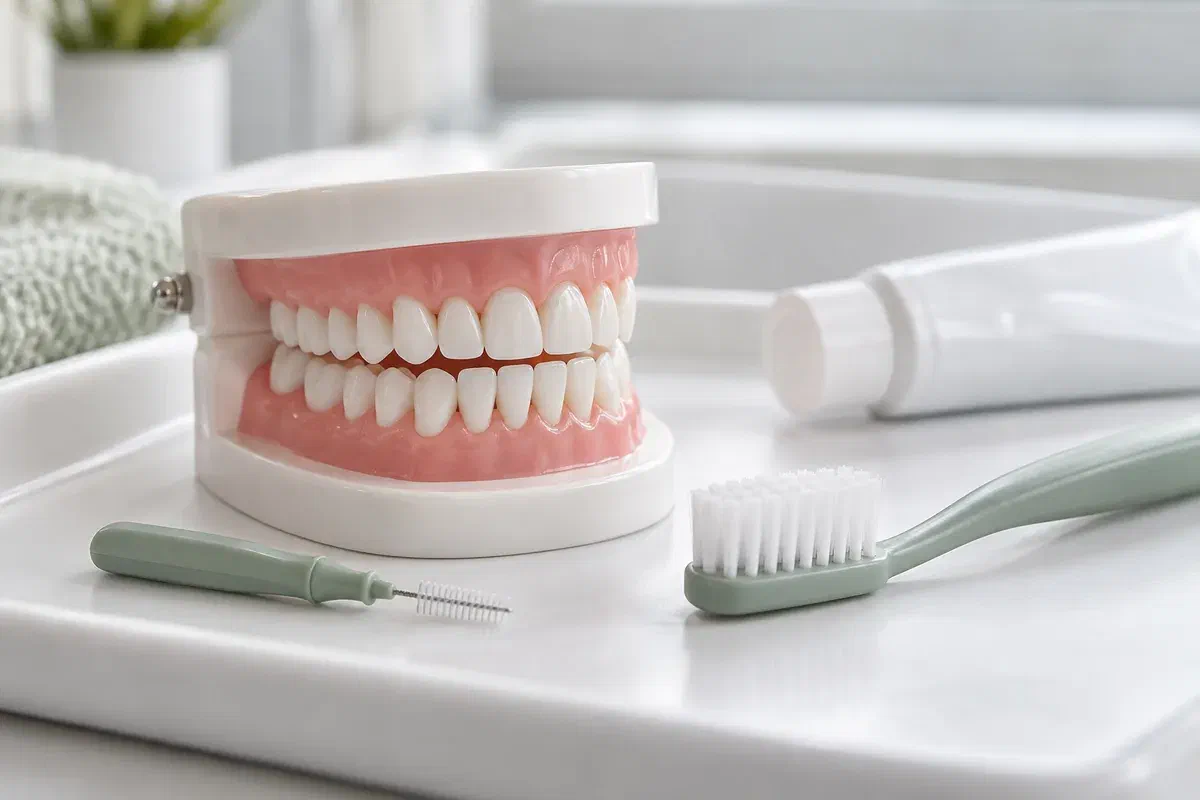
Illustrative dental discussion using a toothbrush and teaching model
General & Family Dentistry

Cavity Prevention in Mississauga

Night shifts, split shifts and meals eaten on the move rarely appear in prevention leaflets. For people coming from Mississauga, we shape cavity prevention around irregular hours, with cleaning, fluoride and snack timing that suit them.

Prevention for Mississauga schedules

Keep decay in check when your hours keep changing

When does your day actually start? For someone on rotating shifts, “morning” and “bedtime” brushing can drift, and a long overnight is often fuelled by small snacks and sweet drinks. Cavity prevention still rests on the same pillars: thorough cleaning, suitable fluoride, fewer sugar exposures and regular examination. The task is fitting those pillars into a calendar that will not sit still.

Decay is a cycle. Each time sugar reaches plaque, the bacteria produce acid that softens enamel; between exposures, saliva and fluoride help the surface recover. Too many exposures and too little recovery time, and minerals are lost faster than they return. An early weakened area is not yet a hole, and an examination decides whether it calls for prevention, monitoring or treatment. Prevention should not be used to put off a repair a tooth needs.

Some people make the trip from western Mississauga neighbourhoods such as Meadowvale or Churchill Meadows and book around a shift change. Describe your rota honestly, including when you eat, when you sleep and where the routine breaks. We can then talk through two or three changes that fit, and explain what any professional preventive care would add.

Plan prevention around your shifts
Dental model, soft toothbrush, and interdental brush illustrating preventive care
Time to reassess?

Notice these, then mention them

Prevention is worth raising at any visit, not just when you have a toothache. New work hours, health changes, eating patterns or dental work can all mean your routine deserves a fresh look.

One cavity after another

A string of new fillings is a reason to look at the larger pattern together. We can go over recent decay, any surfaces that are hard to clean, and when sweet foods and drinks tend to happen during your shifts. The goal is to find what is contributing, not to lecture.

A dry mouth on long shifts

Dryness can come from medicines, health conditions or simply long hours without drinking much water. Because saliva protects teeth, persistent dryness deserves attention. Mention any medicines involved, but do not change a prescription without speaking to your doctor.

Cleaning that keeps getting rushed

Tight or crowded teeth, braces, receding gums or sore hands can make a hurried routine even less effective. Bring the tools you use and show us the area you struggle with. A better method may protect you more than another product would.

Cavities can grow without pain. Keep your recommended examinations, and come in earlier for a new hole, a broken filling or any symptoms. Toothpaste and rinses are not able to repair a tooth that has lost structure.

What a plan can do

Steadier protection on unsteady days

A prevention plan aims to reduce the chance of new cavities and, when appropriate, help teeth with early changes without a filling. It cannot promise you will never need treatment. What it gives you is a focused set of priorities, the reasons behind them, and a way to see at future visits whether they are making a difference.

Having a tooth filled or crowned does not end the job. The restoration fixes one area, but the surrounding tooth and its neighbours still face the same shift-work snacks, saliva and cleaning habits. Ask how existing dental work should affect your routine and what changes would be worth a call before your next checkup.

Patient information: NIDCR — the tooth decay process

A short, portable list

We concentrate on what matters most for your findings, whether that is cleaning one awkward area, rethinking a sweet drink on breaks, or addressing dryness. When you know why a step matters, it is easier to work it into any shift.

Tools that travel

Ask for a demonstration and bring your current tools. Compact interdental brushes, a travel toothbrush and a suitable fluoride toothpaste can fit in a locker or bag. A higher price or stronger taste does not on its own mean better protection.

Follow-up that catches change

Each examination lets us reassess your teeth and check on anything noted before. Ask what is being watched and when it will be reviewed. Your recall interval should be based on your assessment rather than a schedule assumed to suit everyone.

During your appointment

Plan it once, adapt it to every rota

Tell us what you currently do and where it falls apart. Shift patterns, sleep times, break rooms, dexterity, access to products and the cost of any recommended care are all useful to discuss.

  1. Check your teeth and history

    We examine your teeth and ask about past cavities, health changes, dryness and daily routines. X-rays may be recommended when there is a clinical reason. If you have a symptom now, describe it so it can be assessed separately from prevention planning.

  2. Work out the risk factors

    We may discuss how often sugar is eaten or sipped, how well plaque is being removed, fluoride use and areas where plaque builds up. We want a realistic picture of your life, not to pin decay on one snack or one missed brushing.

  3. Choose steps that fit your hours

    We go over your cleaning routine, which products fit, and whether an in-clinic treatment is worth considering. Ask which step matters most and how to use anything prescribed. Children at home need age-based advice of their own rather than a copy of yours.

  4. Review how it went

    At later visits we check for new findings and ask how the routine has held up. New medicines, health changes or dental treatment can shift the plan. Tell us if something is uncomfortable, too costly or impractical with your schedule so we can look at alternatives.

Keeping it going

Anchor brushing to your sleep, not the clock

Home care works when it reaches the right surfaces and happens reliably. Ask for guidance that reflects your age, your ability to spit, and any medical or swallowing concerns.

Two brushings, one between-teeth clean

For adults, brushing twice a day with a fluoride toothpaste and cleaning between teeth daily are the core habits. On shifts, tying one brushing to before you sleep can help, whatever the hour. A rinse does not replace brushing, and brushing alone can leave the gaps under-cleaned.

Space out the sweet stuff

Grazing on sweet snacks or sipping sugary drinks across a long shift keeps teeth exposed to acid. Where it suits you, keep these to a meal break and drink plain water in between. The aim is a pattern you can sustain that still supports your nutrition.

Extra products, exactly as directed

If a stronger toothpaste, rinse or other preventive product is recommended, follow its specific instructions and store it out of reach of young children. Ask before combining products. More fluoride is not automatically the right choice for everyone.

Patient information: Canadian Dental Association — oral health basics · NIDCR — oral hygiene

Preventive measures

Use what helps, skip what doesn’t

Your examination and risk discussion guide which measures make sense. Ask what each is expected to do, its limitations, and how professional care links with your routine at home.

The everyday base

Home care built for your rota

Technique, a suitable fluoride toothpaste and practical eating and drinking choices come first. Some people need adapted tools or a helping hand. Talk about barriers openly so the plan fits the person following it.

When added protection is warranted

Professional fluoride

An in-clinic fluoride treatment may be suggested depending on age, risk and tooth condition. Ask why it is recommended and how often it will be reviewed. It works alongside home care rather than replacing it.

For chosen grooved surfaces

Pit and fissure sealants

Sealants can protect suitable pits and fissures that are hard to clean. Each tooth is assessed for suitability, and sealants are checked at later visits. They do not protect every surface, and you still need to clean every day.

Patient information: Canadian Dental Association — appropriate fluoride use · NIDCR — sealants

Shift-work questions

What about brushing at 4 a.m.?

Ask us about fluoride, diet and recurring decay. The most useful answers tie general prevention principles to what your examination shows and to a routine you can realistically keep up.

(905) 876-4488
If I work nights, when should I brush?
A practical approach is to brush once when you wake and once before your main sleep, whatever time that is. Brushing before sleep matters because saliva flow is lower while sleeping. We can help you work out a pattern that fits your rota.
Do energy drinks on break harm my teeth?
Many energy drinks contain sugar and are acidic, and sipping them slowly keeps teeth exposed for longer. If you drink them, finishing one with a meal is gentler than sipping across a shift. Plain water between meals is a tooth-friendly option.
Can a sealant replace my fluoride toothpaste?
No. A sealant covers selected grooves on a suitable tooth and does not protect smooth surfaces or the spaces between teeth. Fluoride toothpaste and between-teeth cleaning remain important. The dentist can tell you whether a sealant would help in your case.
Is chewing gum on shift a good idea?
Sugar-free gum after eating can stimulate saliva, which helps protect teeth. Gum with sugar does the opposite. It is an extra rather than a replacement for brushing, so keep your toothbrush routine in place.
Is a filling enough, or do I need prevention as well?
A filling repairs damage that has already happened but does not change what caused it. The remaining tooth and others nearby are still exposed. Prevention alongside treatment helps reduce the chance of more decay.
My early decay is being monitored. Can I help it heal?
Some early mineral changes can be managed without a filling through improved cleaning, fluoride and fewer sugar exposures. A cavity that has formed a hole cannot rebuild itself and needs assessment. Ask which area is being watched and what will be checked next time.
Mississauga · book around your shift

Bring your rota to the appointment

At our Bronte Street practice we can review your teeth and the habits supporting them. Bring questions about repeat cavities, products, or a spot that is hard to clean. We will help you set priorities and discuss preventive care that suits your teeth and your hours.

Please call about pain, swelling or a broken tooth. Online requests are only for appointments that are not urgent.

Visit Milton Dental Clinic
Unit 1, 342 Bronte St. S, Milton, ON L9T 5B7
Get directions Clinic hours
Monday–Thursday
11am–7pm
Friday–Sunday
By appointment only

Areas we serve

  • Milton
  • Oakville
  • Mississauga
  • Georgetown
  • Halton Hills
  • Acton
  • Campbellville
  • Brampton
  • Burlington
  • Puslinch
  • Rockwood
  • Erin
  • Caledon
  • Etobicoke
  • Old Milton
  • Bronte Meadows
  • Timberlea
  • Dorset Park
  • Dempsey
  • Clarke
  • Beaty
  • Coates
  • Harrison
  • Scott
  • Willmott
  • Ford
  • Bowes
  • Cobden
  • Walker
  • Mountain View
  • Milton Heights
  • Hawthorne Village
  • Valley View
  • Fallingbrook
  • Nassagaweya
  • Trafalgar
  • Esquesing
  • Nelson
  • Brookville
  • Moffat
  • Glen Williams
  • Norval
  • Limehouse
  • Stewarttown
  • Ashgrove
  • Hornby
  • Silver Creek
  • Speyside
  • Scotch Block
  • North Oakville
  • River Oaks
  • Glen Abbey
  • West Oak Trails
  • Palermo
  • Bronte Creek
  • College Park
  • Joshua Creek
  • Uptown Core
  • Preserve
  • Iroquois Ridge
  • Lisgar
  • Meadowvale
  • Meadowvale Village
  • Churchill Meadows
  • Erin Mills
  • Central Erin Mills
  • Streetsville
  • East Credit
  • Creditview
  • Heartland
  • Sheridan
  • Mount Pleasant
  • Credit Valley
  • Huttonville
  • Churchville
  • Springbrook
  • Northwest Brampton
  • Bram West
  • Fletcher's Meadow
  • Fletcher's Creek South
  • Alton Village
  • Orchard
  • Millcroft
  • Headon Forest
  • Tansley
  • Brant Hills
  • Tyandaga
  • Kilbride
  • Lowville
  • Aberfoyle
  • Morriston
  • Arkell
  • Hillsburgh
  • Freelton
  • Carlisle
  • Waterdown
  • Flamborough
  • Mountsberg

How can we help?

Milton Dental Clinic

Have a question about your smile? Choose the option that works best for you.

For urgent dental concerns, please call.
Messages are reviewed during clinic hours.