

Illustrative consultation about everyday habits and individual cavity risk
General & Family Dentistry

Cavity Risk Assessment

Your cavity history is only part of the picture. Explore cavity risk assessment in Milton to understand what may increase your risk, what protects your teeth, and which changes deserve priority.

A closer look at cavity risk assessment

Understand the pattern behind the next recommendation.

A cavity risk assessment considers how likely you may be to develop new decay or experience progression of existing disease. It brings together your dental history, current findings, and factors affecting the environment around your teeth. It is not a prediction of exactly which tooth will develop a cavity or a judgement about how much effort you put into brushing.

Two people with similar-looking teeth may have different needs. Recent decay, changes in saliva, repeated sugar exposure, fluoride use, and practical cleaning difficulties can all influence the discussion. Protective habits matter too. The point is to understand the balance rather than count fillings and assign a permanent label.

At Milton Dental Clinic, the assessment helps connect preventive advice with a reason. Tell us what has changed, what you already do, and which recommendations have been difficult to follow. We can explain the relevant findings and agree priorities that make sense for your current health, routines, and ability to care for your teeth.

Review your individual cavity risk
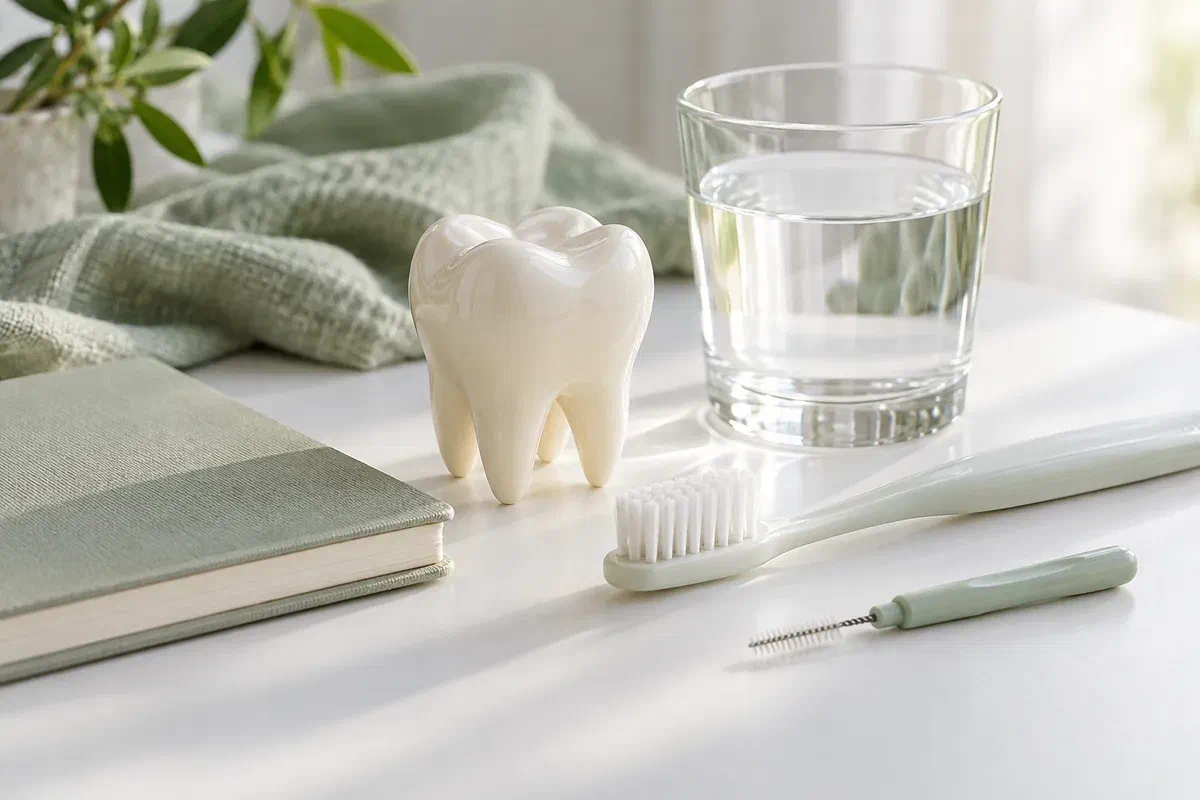
Dental model, cleaning aids, water, and a notebook illustrating prevention planning
When a fresh look is useful

A previously successful routine may need an update.

Risk can change even when you have not consciously changed your brushing. Bring questions about recent cavities, medication changes, or areas you find difficult to keep clean.

New decay after a quiet period

A recent cavity can prompt a review of the wider situation. Discuss when earlier restorations were placed and whether they were for decay, wear, or injury. The number of fillings alone does not explain what is happening now.

A change in saliva or health

Dry mouth, medical treatment, and some medicines may alter the protection saliva provides. Explain when symptoms began and bring an updated medication list. The assessment can identify questions that need discussion with another healthcare professional.

A routine that is hard to maintain

Shift work, caregiving, limited dexterity, orthodontic appliances, or difficulty accessing products can affect daily care. Describe the actual obstacle. Advice is more useful when it accounts for those circumstances rather than assuming a standard routine is easy for everyone.

A risk assessment does not replace evaluation of an existing painful tooth. Report new sensitivity, a visible hole, or a broken filling so current disease and future prevention can be considered separately.

What the assessment adds

Give preventive care a clearer purpose.

Risk assessment helps organize the information used to plan care. It can support decisions about prevention, monitoring, and review intervals, but it cannot remove uncertainty. Ask which findings have the greatest influence and whether the recommendation would change if a particular factor improved.

The result should lead to a conversation, not just a category on a chart. A useful explanation identifies what is already helping, where additional protection may be appropriate, and how progress will be assessed. The plan can be reconsidered as new findings or changes in your life emerge.

Patient information: American Dental Association — caries risk assessment and management

Distinguish history from current activity

Past decay is relevant, but the team also considers present findings and recent changes. Ask whether an area is being monitored, needs preventive intervention, or requires restoration, and what evidence supports that distinction.

Choose the most relevant actions

A targeted plan may be easier to follow than a long list of products. Discuss the highest-priority change and how to make it practical before adding further steps. Your preferences and resources belong in that conversation.

Make review appointments meaningful

Agree what will be checked again and why the proposed timing is appropriate. Reviews can consider new lesions, changes in existing areas, and whether the home routine is manageable, rather than simply repeating the same advice.

How the review works

Combine the examination with the story behind it.

You do not need a perfect diet diary or a complete memory of every filling. Bring the information you have, and identify anything that may be available from previous dental or medical records.

  1. Review previous decay and relevant changes

    We discuss recent treatment, symptoms, medication, dry mouth, and daily habits. Explain whether a restoration was placed for a cavity or another reason if you know. Existing records can help clarify the history when details are uncertain.

  2. Assess current oral findings

    The examination considers teeth, restorations, plaque-retaining areas, and signs of disease. Clinically indicated imaging may help assess surfaces that cannot be evaluated adequately by sight alone. The need for images is considered individually rather than assumed from a risk label.

  3. Explain risk and protective factors

    We discuss which findings may increase risk and which habits or measures help protect your teeth. Ask what the assessment can and cannot tell you. A higher-risk result is a reason to plan care, not proof that future decay is inevitable.

  4. Agree a plan and review point

    Discuss suitable home care, professional prevention, and management of any existing lesions. Clarify costs and instructions for recommended products. Review timing should reflect the findings and allow the plan to be adjusted if symptoms or circumstances change.

Putting the findings to use

Focus on the changes that fit your risk profile.

The value of assessment comes from what happens afterwards. Ask for clarification if a recommendation is too general, conflicts with another care instruction, or feels unrealistic in your daily routine.

Practise the agreed cleaning approach

Use fluoride toothpaste and suitable between-teeth cleaning as advised. If reach or dexterity is the problem, ask about an aid or assistance. Explain which area remains difficult rather than assuming that longer brushing alone will resolve it.

Review repeated exposures

Discuss the timing and frequency of sugary snacks or drinks where these are relevant. A practical adjustment may involve changing a prolonged sipping habit. The plan should support balanced nutrition and account for any medical dietary instructions.

Report changes that alter the picture

Tell the team about new medicines, persistent dryness, medical treatment, or difficulty keeping up with care. Do not stop prescribed medicine on your own. Risk is reassessed when the circumstances change; it is not fixed by one appointment.

Patient information: NIDCR — oral hygiene and additional preventive care · Canadian Dental Association — appropriate fluoride use

What may follow the assessment

Choose care according to findings, not a label alone.

The plan may combine prevention with treatment of current disease. Ask which recommendation concerns future risk and which addresses a specific tooth that already needs attention.

When current protection is appropriate

Maintain and monitor

An effective routine may be continued with suitable reviews. Low risk does not mean no risk, and new findings still matter. Ask which changes should prompt an earlier conversation and how the team will monitor areas of uncertainty.

When particular factors need attention

Add targeted protection

Professional fluoride, suitable sealants, prescribed home products, or dry-mouth support may be considered according to need. Each measure has a purpose and instructions. Additional care should be explained individually rather than presented as a compulsory package.

When disease is already present

Manage existing lesions

Early or established decay requires its own assessment of activity and extent. Some areas may suit non-restorative management; others need repair. A risk assessment informs the wider plan but does not determine the treatment of every lesion by itself.

Questions about your risk result

Understand what the assessment means before acting on it.

Ask for an explanation in everyday language. The result is most useful when you know the important factors, the proposed actions, and what will be reviewed next.

(905) 876-4488
Is a cavity risk assessment the same as checking whether I have a cavity today?
They are related but different. Examination looks for current disease, while risk assessment considers the likelihood of future decay or progression using your history and present circumstances. You may need advice about risk even when no new cavity is found at that visit.
Can my cavity risk improve after a high-risk assessment?
It may change as relevant factors and clinical findings change. Improving daily care, addressing repeated exposures, or managing dryness can influence the plan. The team should reassess the situation rather than treat an earlier category as a permanent description of your mouth.
Does having many old fillings automatically make me high risk now?
Old restorations provide useful history, but their age, reason for placement, and your current findings matter. Several fillings placed years ago are not identical to several recent cavities. Ask how the dentist is distinguishing past experience from evidence of current activity.
Does a risk assessment require a special saliva test?
Not in every case. History and clinical examination are central, with additional investigations considered when they answer a useful question. If a test is proposed, ask what it measures, how the result could change your care, and whether it is necessary for the decision being made.
Will a higher cavity risk mean X-rays at every appointment?
No automatic schedule applies to everyone. The dentist considers current findings, symptoms, risk, previous images, and the question an X-ray would answer. Ask why imaging is recommended and whether existing images provide the information needed for that visit.
Can members of the same household have different cavity risk plans?
Yes. Shared routines do not make everyone’s teeth, saliva, history, or abilities identical. Age and medical circumstances can also change recommendations. Do not share prescribed products or copy another person’s review schedule without checking whether that advice suits you.
Cavity risk assessment in Milton

Let’s identify what deserves your attention first.

Arrange a visit at our Bronte Street practice to review recent decay, changes in oral health, or questions about prevention. Bring your current medicines and the products you use. We can discuss the relevant factors and a practical plan for your teeth.

Call about significant pain, swelling, or a broken tooth. Online requests are intended for non-urgent enquiries.

Visit Milton Dental Clinic
Unit 1, 342 Bronte St. S, Milton, ON L9T 5B7
Get directions Clinic hours
Monday–Thursday
11am–7pm
Friday–Sunday
By appointment only

How can we help?

Milton Dental Clinic

Have a question about your smile? Choose the option that works best for you.

For urgent dental concerns, please call.
Messages are reviewed during clinic hours.