

Illustrative consultation about everyday habits and individual cavity risk
General & Family Dentistry

Cavity Risk Assessment in Acton

Rinses, special pastes, water flossers, gels: the shelf of dental products keeps growing. For adults coming from Acton, a cavity risk assessment sorts out which steps your teeth actually need and which you can safely leave on the shelf.

Cutting through the advice

Do you need all of it, or just some of it?

Most people have been given more dental advice than they could ever follow at once. Floss daily, use a rinse, cut out sugar, buy an electric brush, try a special paste. Without knowing why each suggestion matters for your mouth in particular, it is hard to tell which ones deserve your time and money.

That is where a cavity risk assessment is useful. By combining your history of decay with today's examination and the conditions your teeth face every day, such as saliva, sugar frequency, fluoride and how easy cleaning is, the dentist can see which factors are pulling risk upward. The habits already protecting you are part of the picture as well, and sometimes they are doing more than you think.

This is a ranking of priorities, not a forecast of which tooth will need work and not a mark on how hard you try. Bring the products you already use and be candid about which recommendations have never stuck. Then we can trim the list to the steps most likely to help you.

Find out which steps matter most
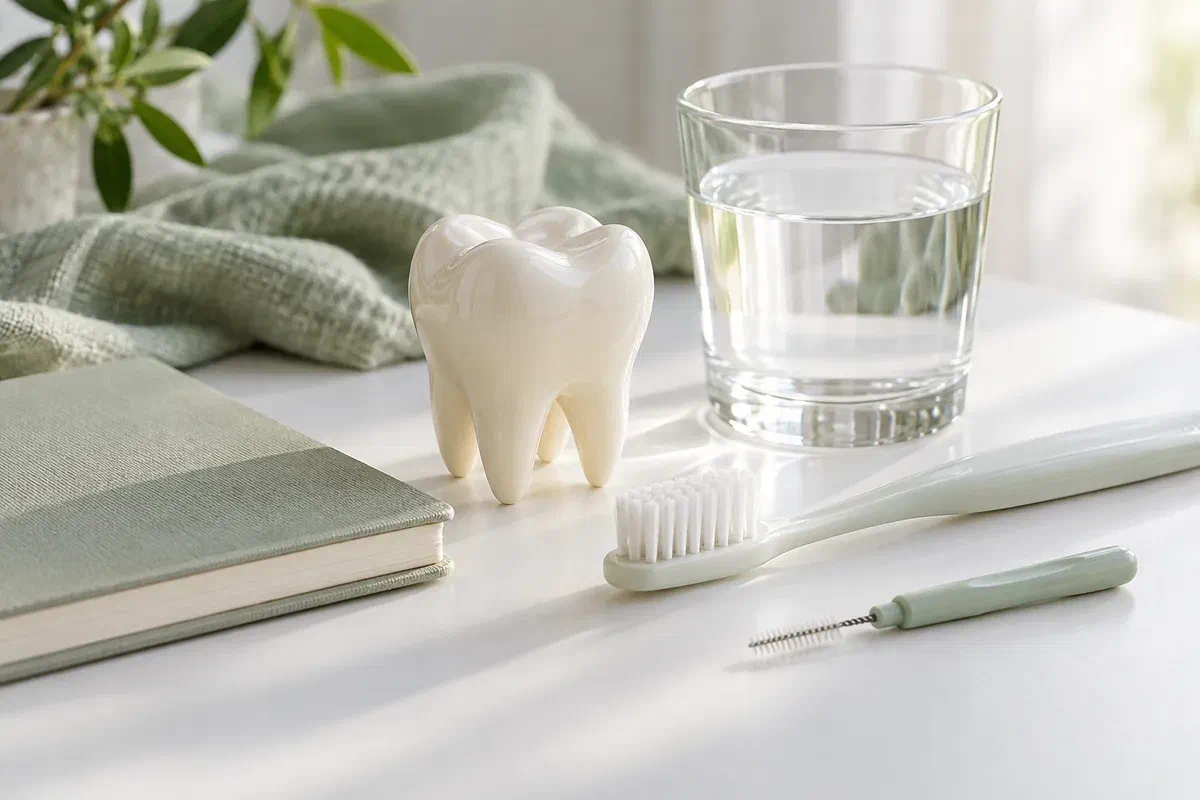
Dental model, cleaning aids, water, and a notebook illustrating prevention planning
Moments that raise the question

You’re doing a lot. Is it the right lot?

People in Acton often ask for an assessment when effort and results don't seem to match. These are some common examples.

Still getting cavities despite effort

New decay even though you are trying hard is frustrating, and it usually has a reason. Mention when and why earlier fillings were placed, if you know. Whether the problems are recent or long past makes a real difference to the explanation.

Health that has quietly changed

A new prescription, treatment or condition may reduce the saliva that rinses and protects teeth. Bring a complete medication list and say when any dryness started. Questions for your physician or pharmacist can be written down for you.

Routines that never quite stick

Maybe flossing hurts, a gadget sits unused or a busy household leaves little time. Explain what gets in the way. A suggestion that suits your hands, schedule and budget will do more than one that looks good on paper.

This conversation is about future prevention. If a tooth already aches, a filling has fallen out or you can feel a hole, tell us so that tooth is examined and dealt with in its own right.

What changes

Less guesswork at the bathroom sink

Knowing which factors matter most turns a long list into a short one. The assessment can steer decisions about fluoride products, sealants, monitoring and review intervals. It can't eliminate uncertainty, so it is reasonable to ask the dentist which finding is weighted most heavily and whether improving it would change the advice.

The best outcome is a plan you can explain to someone else. It should say what is already doing its job, where an extra step might be worth it and how progress will be judged next time. If your situation changes, the list can be rewritten.

Patient information: American Dental Association — caries risk assessment and management

What is active and what is history

Old fillings show where problems once were, not necessarily where they are now. The dentist looks at current findings and recent change. For each area mentioned, ask whether the plan is to watch it, protect it or restore it, and why.

Products with a purpose

If something is recommended, you should know what it is for and how long to use it. Ask which single step would help most, and whether a cheaper or simpler option would do. Unneeded extras can be dropped.

Reviews that measure the effect

Agree what will be looked at next time and why the interval was chosen. A review can show whether a change is working, whether new spots have appeared and whether the routine is still manageable.

What we do

Four steps from shelf to shortlist

No diary or homework is required. Bringing the products you use, or photos of them, is genuinely helpful, along with any past records you have.

  1. Review what you already do

    We talk through past treatment, symptoms, medicines, dryness, eating patterns and your current routine, including every product in it. If you know why a tooth was filled, mention it. Records from a former dentist can help.

  2. Examine your teeth

    The dentist looks for active decay, checks restorations and notes plaque-prone areas. Where a surface can't be judged by eye, X-rays may be recommended if the answer would affect care. That is decided for you, not by a category.

  3. Sort helpful from unnecessary

    We explain which findings may be raising your risk and which habits or products are protecting you. You are welcome to ask what the assessment can reliably show. A higher result means prioritising, not that new decay is unavoidable.

  4. Write the shortlist

    Together we agree home care, any in-office prevention and how existing problems will be handled, with costs and directions explained. The review date matches your findings and can be moved if your circumstances change.

Making it stick

Do the few things well

A short routine done consistently tends to beat a long one done occasionally. If a step is unclear, contradicts other medical advice or turns out to be unworkable, tell us.

Brush and clean between teeth as agreed

Use a fluoride toothpaste and the interdental method that suits you. If floss is awkward, ask about picks or small brushes. Point out any area that keeps getting missed instead of assuming longer brushing is the answer.

Mind the number of sweet occasions

Where it applies, reducing how many times a day sweet foods and drinks reach your teeth may matter more than giving them up. A practical change could be keeping treats to mealtimes. Keep any change compatible with your diet and health needs.

Let us know about changes

New medications, lasting dryness, treatment for another condition or trouble keeping up are all worth telling us. Never stop prescribed medicine on your own. Your plan is revisited when circumstances change.

Patient information: NIDCR — oral hygiene and additional preventive care · Canadian Dental Association — appropriate fluoride use

Three directions

Your findings decide the next step

A plan can include both prevention and treatment. Ask which suggestions are about lowering future risk and which are about a particular tooth.

When your current routine is effective

Keep what works

If your teeth are stable, the plan may simply be to continue and recheck at a suitable interval. Lower risk isn't no risk. Ask what kind of change, such as new sensitivity or dryness, should prompt you to call earlier.

When a particular factor stands out

Add one or two targeted measures

Professional fluoride, a prescription toothpaste, sealants on suitable teeth or products for dryness might be suggested. Each should come with a reason and directions, and you can ask whether it is essential or optional.

When a cavity is present

Repair or manage existing decay

A lesion already in place is assessed for depth and activity. Early changes may respond to prevention alone; deeper decay usually needs a restoration. Your risk level informs the plan but is not the only thing that decides treatment.

Acton questions about products

Sorting the useful from the extra

Ask us to explain any recommendation in plain language. You should understand why each step is on the list and when it will be reviewed.

(905) 876-4488
Do I need a mouthwash if I already brush and floss?
Not necessarily. Some people benefit from a fluoride rinse based on their risk, while others don’t need one. If you use a rinse, ask whether it adds anything for your situation and when it is best used.
Is an electric toothbrush better for preventing cavities?
A powered brush can help some people, especially those with limited dexterity, but a manual brush used well with fluoride toothpaste is effective too. The best brush is the one you use properly and consistently.
What is the difference between regular and prescription toothpaste?
Prescription toothpastes usually contain more fluoride and are recommended for people at higher risk. They are not suitable for everyone, especially young children. Use one only if it has been recommended for you.
If I'm told I'm low risk, can I skip flossing?
Cleaning between teeth still matters for gums and for surfaces a brush can’t reach. A low result may change how often you are reviewed, but not the basics. Ask which interdental method suits you best.
Does an assessment always mean extra tests?
No. History and examination are the core. Additional tests are considered only when they would answer a useful question. If one is suggested, ask what it measures and how it might change your care.
Can my risk get better?
Yes, it may. As habits improve, dryness is managed or findings settle, the plan can be adjusted. An earlier result isn’t permanent and should be reassessed over time.
A visit from Acton

Bring the bag of products

Come to our Bronte Street practice with the toothpaste, rinses and gadgets you use now, plus a list of your medicines. We'll look at your teeth, explain which factors matter most and help you settle on a routine that is short, clear and worth the effort.

Toothache that is severe, swelling or a cracked tooth should be phoned through to us. Online requests are best for routine bookings.

Visit Milton Dental Clinic
Unit 1, 342 Bronte St. S, Milton, ON L9T 5B7
Get directions Clinic hours
Monday–Thursday
11am–7pm
Friday–Sunday
By appointment only

Areas we serve

  • Milton
  • Oakville
  • Mississauga
  • Georgetown
  • Halton Hills
  • Acton
  • Campbellville
  • Brampton
  • Burlington
  • Puslinch
  • Rockwood
  • Erin
  • Caledon
  • Etobicoke
  • Old Milton
  • Bronte Meadows
  • Timberlea
  • Dorset Park
  • Dempsey
  • Clarke
  • Beaty
  • Coates
  • Harrison
  • Scott
  • Willmott
  • Ford
  • Bowes
  • Cobden
  • Walker
  • Mountain View
  • Milton Heights
  • Hawthorne Village
  • Valley View
  • Fallingbrook
  • Nassagaweya
  • Trafalgar
  • Esquesing
  • Nelson
  • Brookville
  • Moffat
  • Glen Williams
  • Norval
  • Limehouse
  • Stewarttown
  • Ashgrove
  • Hornby
  • Silver Creek
  • Speyside
  • Scotch Block
  • North Oakville
  • River Oaks
  • Glen Abbey
  • West Oak Trails
  • Palermo
  • Bronte Creek
  • College Park
  • Joshua Creek
  • Uptown Core
  • Preserve
  • Iroquois Ridge
  • Lisgar
  • Meadowvale
  • Meadowvale Village
  • Churchill Meadows
  • Erin Mills
  • Central Erin Mills
  • Streetsville
  • East Credit
  • Creditview
  • Heartland
  • Sheridan
  • Mount Pleasant
  • Credit Valley
  • Huttonville
  • Churchville
  • Springbrook
  • Northwest Brampton
  • Bram West
  • Fletcher's Meadow
  • Fletcher's Creek South
  • Alton Village
  • Orchard
  • Millcroft
  • Headon Forest
  • Tansley
  • Brant Hills
  • Tyandaga
  • Kilbride
  • Lowville
  • Aberfoyle
  • Morriston
  • Arkell
  • Hillsburgh
  • Freelton
  • Carlisle
  • Waterdown
  • Flamborough
  • Mountsberg

How can we help?

Milton Dental Clinic

Have a question about your smile? Choose the option that works best for you.

For urgent dental concerns, please call.
Messages are reviewed during clinic hours.