

Illustrative consultation about everyday habits and individual cavity risk
General & Family Dentistry

Cavity Risk Assessment in Campbellville

Well water, bottled water, a filter jug: where your drinking water comes from can affect how much fluoride your teeth receive. A cavity risk assessment for Campbellville households asks that question alongside diet, saliva and history.

Fluoride, water and rural routines

What comes out of your tap matters too

Municipal water in many communities has fluoride adjusted to a level that helps protect enamel. Homes on a private well don't receive that adjustment, and natural fluoride in well water varies widely. Families who drink mostly bottled or filtered water may also get less than they assume. It is one quiet factor that can tilt the balance.

A cavity risk assessment brings that kind of question together with the rest of your story. Past decay, today's examination, saliva, how often sweet foods and drinks arrive and the practicalities of cleaning are all weighed. Protective habits, like reliable brushing with fluoride toothpaste, count just as much on the other side.

The assessment is not about predicting a particular tooth or judging how your household runs. It is a way to set priorities that make sense for where and how you live. Tell us about your water, your routines and anything that has been hard to keep up, and we will talk through what deserves attention first.

Ask about fluoride and your risk
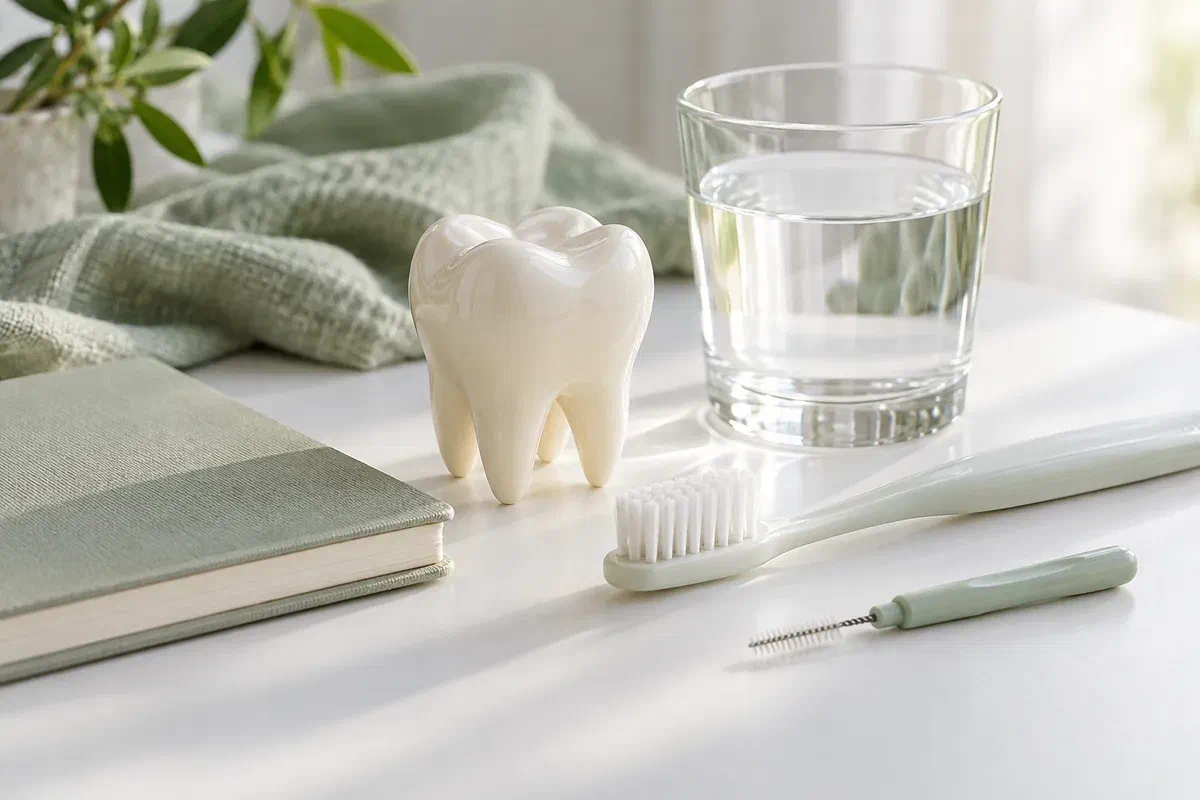
Dental model, cleaning aids, water, and a notebook illustrating prevention planning
Questions worth raising

Quiet factors, visible results

Some influences on cavity risk are easy to miss because they're built into daily life. These are common reasons Campbellville households ask for a closer look.

Cavities in children or adults on well water

New decay in a household without fluoridated water is a good prompt to review fluoride sources. Mention when earlier fillings were done and why, if you know. The timing of new problems usually says more than how many fillings there are.

Changes in health or saliva

Medicines, medical treatment and some conditions can reduce saliva, which normally helps neutralise acids. Bring a list of current medicines and note when dryness began. Anything that needs a physician's or pharmacist's input can be flagged.

Busy seasons that crowd out care

Early starts, outdoor work, caring for animals or relatives and long days can leave little time or energy for cleaning. Tell us when routines slip. Recommendations are more useful when they fit the rhythm of your year.

Planning for future risk is different from checking a tooth that hurts now. Mention new sensitivity, a broken filling or a hole you can feel so it can be examined on its own.

The value

Prevention fitted to your household

Laying out the factors shows where extra support could help. For some families that means discussing fluoride varnish or toothpaste strength; for others, snacking or dryness. The assessment can guide review timing as well, though uncertainty never disappears completely. Ask which factor has the strongest influence on your plan.

Each person should come away knowing what already protects their teeth, where more help may be useful and how progress will be checked. Plans can be revisited as children grow, water arrangements change or health shifts.

Patient information: American Dental Association — caries risk assessment and management

Recent findings over old records

Previous fillings are useful context, but present findings guide most decisions. Ask whether each area of concern is simply being monitored, needs preventive help or requires a filling, and what evidence points that way.

Fluoride where it is needed

If your water supply provides little fluoride, toothpaste and professional applications may play a bigger role. Supplements are only considered after a careful review of all sources. Ask which change would help most and how practical it is.

Reviews grouped sensibly

Agree what will be checked next time and why that interval makes sense. A review should look at new spots, earlier areas and how the home routine is going. For rural households, it can help to plan family members' reviews close together where practical, so each trip covers more.

During the review

Water source to written plan

There's no need to arrive with lab results or a food diary. If you have had your well water tested, bring the report; otherwise, just tell us what you know.

  1. Ask about history and home

    We cover past treatment, symptoms, medicines, dryness, diet, cleaning habits and your drinking water source. If you know why a filling was placed, mention it. Earlier dental records are helpful if available.

  2. Check teeth and fillings

    The dentist examines enamel, restorations, deep grooves and plaque-prone areas for signs of decay, including early chalky changes that may still be reversible. X-rays may be advised for surfaces that can't be judged visually, when they would answer a clinical question that affects your care. That choice is made for you individually, not by category.

  3. Talk through risk and protection

    We explain which findings may increase risk and which habits are protective, including fluoride sources. You can ask about the limits of the assessment. A higher result is a reason to plan, not a guarantee of more decay.

  4. Agree steps and timing

    We settle on home care, possible in-office prevention and how any current decay will be handled, with costs and directions explained. The next review is set to your findings and can be adjusted.

Keeping it going

Everyday protection out of town

Advice needs to suit the way your household actually works. If a recommendation is unclear, conflicts with medical advice or doesn't fit, please say so.

Use fluoride toothpaste consistently

Brush twice a day with fluoride toothpaste in the amount advised for each age, and clean between teeth as shown. Don't start fluoride supplements without professional advice, since total intake from all sources needs to be considered.

Keep sweet occasions few

Where it applies, limit how often sugary snacks and drinks are consumed through the day. Packing water for long days outside is one practical step. Any change should still support healthy eating and medical guidance.

Keep us informed

A new prescription, dryness that lingers, a course of medical treatment, a new baby in the house or a switch from well to bottled water can all change the picture. Mention them at your next contact with us. Keep taking prescribed medicine unless your prescriber advises a change. The plan is reassessed as circumstances shift.

Patient information: NIDCR — oral hygiene and additional preventive care · Canadian Dental Association — appropriate fluoride use

What may follow

From maintenance to treatment

Some recommendations aim to prevent future decay; others focus on a tooth that already needs care. We'll make the distinction clear.

When protection is adequate

Maintain and review

If the teeth are doing well, the current routine can continue with sensible check-ups. Lower risk isn't no risk. Ask which changes, such as new sensitivity or a change in water supply, should prompt an earlier visit.

When fluoride exposure or another factor is low

Add fluoride or other protection

Professional fluoride varnish, prescription toothpaste for older patients, sealants on suitable teeth or dry-mouth support may be suggested. For a household with little fluoride in its water, these may carry more weight. Each has a clear reason and directions, and nothing should be added without explanation.

When a cavity is found

Treat existing decay

Decay already present is assessed for activity and depth. Some early lesions may be managed with prevention alone, while others need a restoration. Risk informs the plan but doesn't settle each tooth's treatment.

Campbellville questions

Wells, fluoride and family planning

Ask us to explain your result in everyday language. Each family member should understand their main factors and when they will be reviewed.

(905) 876-4488
Does well water contain fluoride?
It may contain some natural fluoride, but levels vary from well to well and are usually not adjusted. Testing can show the level. Let the dentist know your water source so it can be considered.
Should my children take fluoride supplements if we're on a well?
Not without professional advice. Supplements are only considered after reviewing all fluoride sources, including water, toothpaste and professional treatments, to avoid getting too much. The dentist can discuss whether it is appropriate.
Does bottled or filtered water affect my cavity risk?
Some bottled waters contain little fluoride, and some filters, such as reverse osmosis systems, remove most of it. This doesn’t automatically raise risk, but it is a factor the dentist may consider.
Can several family members have their assessments on the same day?
Ask when you call. Where scheduling allows, we can try to book family members close together. Let us know who needs to be seen and any timing constraints.
Is cavity risk the same as having a cavity right now?
No. An exam looks for current decay, while risk assessment estimates the chance of future decay. You may get prevention advice even if no cavity is found today.
If my risk is high, will it always stay that way?
Not necessarily. As habits, fluoride use or findings change, the plan can be updated. A previous result is a starting point, not a permanent label.
From Campbellville

Tell us about your water

Plan a visit at our Bronte Street practice to discuss decay, dryness or fluoride questions for your household. If you've had your water tested, bring the results, along with any medicines and the products you use. We'll go over what matters and set a practical plan.

Phone us first about strong pain, swelling or a broken tooth. Our online form is meant for non-urgent requests.

Visit Milton Dental Clinic
Unit 1, 342 Bronte St. S, Milton, ON L9T 5B7
Get directions Clinic hours
Monday–Thursday
11am–7pm
Friday–Sunday
By appointment only

Areas we serve

  • Milton
  • Oakville
  • Mississauga
  • Georgetown
  • Halton Hills
  • Acton
  • Campbellville
  • Brampton
  • Burlington
  • Puslinch
  • Rockwood
  • Erin
  • Caledon
  • Etobicoke
  • Old Milton
  • Bronte Meadows
  • Timberlea
  • Dorset Park
  • Dempsey
  • Clarke
  • Beaty
  • Coates
  • Harrison
  • Scott
  • Willmott
  • Ford
  • Bowes
  • Cobden
  • Walker
  • Mountain View
  • Milton Heights
  • Hawthorne Village
  • Valley View
  • Fallingbrook
  • Nassagaweya
  • Trafalgar
  • Esquesing
  • Nelson
  • Brookville
  • Moffat
  • Glen Williams
  • Norval
  • Limehouse
  • Stewarttown
  • Ashgrove
  • Hornby
  • Silver Creek
  • Speyside
  • Scotch Block
  • North Oakville
  • River Oaks
  • Glen Abbey
  • West Oak Trails
  • Palermo
  • Bronte Creek
  • College Park
  • Joshua Creek
  • Uptown Core
  • Preserve
  • Iroquois Ridge
  • Lisgar
  • Meadowvale
  • Meadowvale Village
  • Churchill Meadows
  • Erin Mills
  • Central Erin Mills
  • Streetsville
  • East Credit
  • Creditview
  • Heartland
  • Sheridan
  • Mount Pleasant
  • Credit Valley
  • Huttonville
  • Churchville
  • Springbrook
  • Northwest Brampton
  • Bram West
  • Fletcher's Meadow
  • Fletcher's Creek South
  • Alton Village
  • Orchard
  • Millcroft
  • Headon Forest
  • Tansley
  • Brant Hills
  • Tyandaga
  • Kilbride
  • Lowville
  • Aberfoyle
  • Morriston
  • Arkell
  • Hillsburgh
  • Freelton
  • Carlisle
  • Waterdown
  • Flamborough
  • Mountsberg

How can we help?

Milton Dental Clinic

Have a question about your smile? Choose the option that works best for you.

For urgent dental concerns, please call.
Messages are reviewed during clinic hours.