

Illustrative dental planning conversation before medical treatment
General & Family Dentistry

Dental Care Before Cancer Treatment in Erin

Eating well matters during cancer care, and that depends on a comfortable mouth. For people in Erin and Hillsburgh, a dental check before therapy looks at chewing, sore spots and denture fit, with timing agreed alongside your oncologists.

Thinking about meals ahead

A mouth you can eat with comfortably

Oncology teams often talk about keeping your strength up through treatment, and that means being able to eat. A cracked tooth you chew around, a partial that pinches or tender gums can make meals harder at a time when appetite may already be fragile. An assessment before therapy is a chance to deal with those issues, or at least plan for them, while you feel well.

Your treatment shapes the details. Radiation reaching the head or neck can affect saliva and the soft tissues; chemotherapy may change how the mouth heals and fights infection; certain medicines act on bone. Share your therapy plan, and the dentist will focus on what genuinely matters rather than redoing older dental work that is still sound.

Coming from Erin, call once the oncologists have proposed a date and tell us early if it is close. They lead on timing, and dental care is arranged around their plan. Please do not put off cancer treatment yourself to fit in a dental appointment, and bring along any instructions the hospital has given you.

Book a comfort-focused dental check
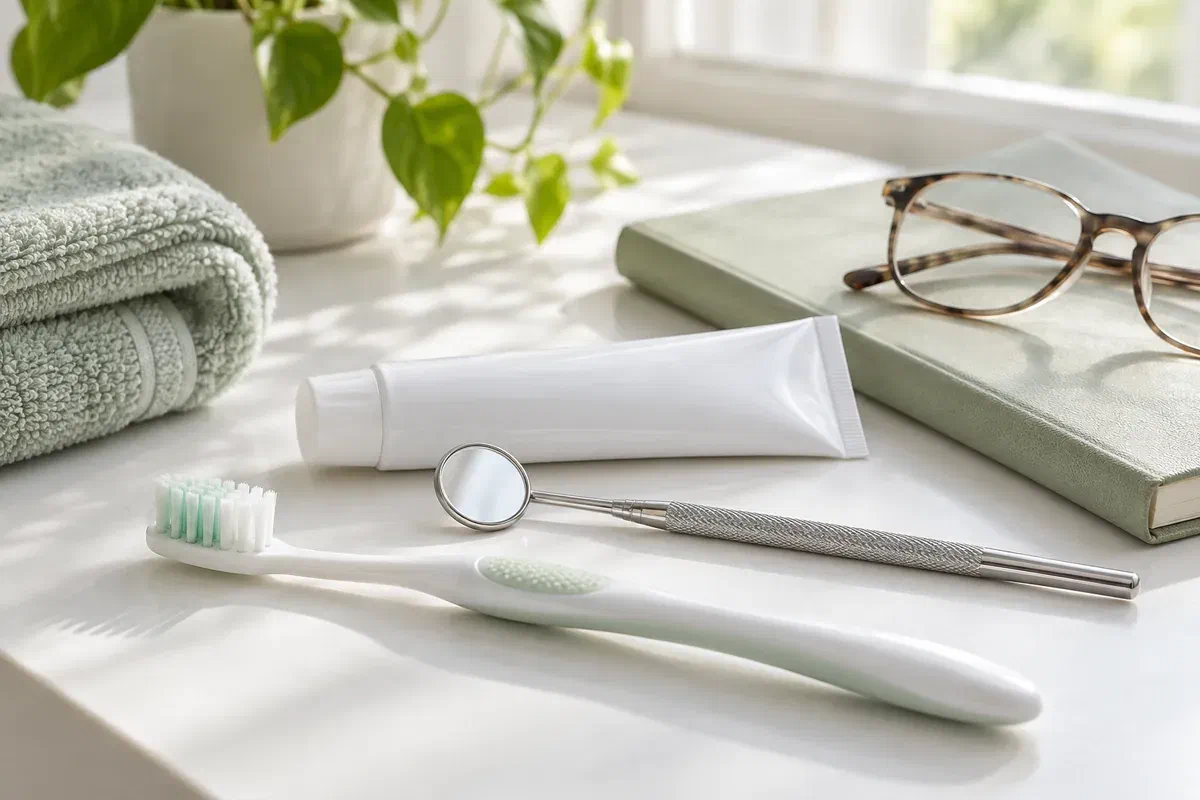
Soft toothbrush and dental care items beside a folder illustrating treatment preparation
Notice anything at mealtimes?

Chewing, swallowing and sore spots

Problems often show up first when you eat. Tell us about pain, swelling, loose work or foods you have started avoiding, because these clues help the dentist set priorities.

Teeth that make chewing harder

A sensitive or broken tooth, a lost filling, gums that hurt when you bite or a denture that rubs can all affect eating. Describe which side you favour and how long it has been this way, so the dentist can weigh urgency within your timeline.

Guidance from the hospital

Bring any dental forms, letters and the planned therapy dates. If radiation will involve the head or neck, there may be a particular dental pathway. You may also want to ask whether a dietitian or hospital oral medicine team is part of your care.

Comfort and energy at home

Dry mouth, fatigue, limited opening or difficulty brushing can make both eating and cleaning harder. Let us know what is manageable and whether anyone prepares meals or helps with care, so suggestions stay realistic.

If your therapy has already begun, mention it before any dental work is booked. Precautions and timing may differ, and we might need to confirm medical details first.

Why comfort is worth planning for

Small fixes now may make meals easier later

An early visit can leave time to repair a problem tooth, adjust a denture or treat sore gums, and to check that healing has settled. You can also ask what mouth changes your therapy might bring and how they may affect eating. How much time you have varies, so contacting us soon gives the most options.

Preparation may reduce some oral complications, but it cannot promise a comfortable mouth throughout treatment. Ask which symptoms to report and who to contact if eating or drinking becomes difficult. With appointments spread across several clinicians, a clear route for advice is especially helpful.

Patient information: NIDCR — cancer treatments and oral health

A record of today's comfort

Noting how your teeth, gums and dentures look and feel now helps distinguish older concerns from later changes. Mention past head and neck radiation, relevant medicines and any specialist dental care.

Priorities around eating

The dentist sorts issues into urgent, preventive and those that can wait, with chewing comfort in mind. Ask how each step fits your treatment dates and what it might change at mealtimes.

Practical tips in advance

Cleaning after meals, product choices, denture care and how to report soreness are easier to learn now than later, when the mouth may be tender and energy low.

The visit itself

Finding what could get in the way of eating

Bring the oncology team's phone numbers, your medicines and any dental paperwork. We will confirm how information can be exchanged, so you do not have to remember every detail between offices.

  1. Learn about your therapy

    We discuss the treatment planned, its dates and your medical history. Tell us about medicines affecting bone or wound healing and any previous radiation to the jaws. We may need more information from the oncology team before planning any procedure.

  2. Check chewing, teeth and fit

    The dentist looks for decay, infection, gum disease, broken restorations and denture sore spots, and asks how chewing feels. X-rays are used when they help answer a clinical question. Mention foods you avoid and any cleaning difficulties.

  3. Plan with the cancer schedule

    Needed treatment is timed with your oncology plan. Extractions or other invasive procedures need extra care around healing and your medical condition. Specialist input may be suggested, especially if head and neck radiation is planned.

  4. Review comfort and next steps

    After treatment, a follow-up may check healing and denture comfort. We confirm your routine and the number to call once therapy is under way. If your hospital dates shift, let us know so the plan can be updated.

At home before therapy

Comfortable, clean and consistent

Use the advice prepared for your therapy and health. If the dental, medical or nutrition advice seems to clash, ask the teams to clarify instead of switching products or adjusting medicines yourself.

Let any repair settle

Follow the instructions after dental treatment and attend any review. Report pain that grows, swelling, bleeding or trouble eating, and make sure your oncology team knows if a problem lingers as therapy approaches.

Gentle products and habits

Ask which brush, toothpaste and other products suit you. A soft brush and rinsing after meals may be discussed. Use any prescribed fluoride or rinse as directed, and check before using strong or alcohol-based products.

Speak up about eating troubles

Keep the oncology urgent line with our number. During therapy, new mouth pain, sores, bleeding or being unable to eat or drink should be reported the way your team advises rather than held for a regular checkup.

Patient information: National Cancer Institute — mouth and throat problems during treatment

What comes next

Options matched to what we find

The next step could be prevention, a specific repair or specialist involvement. Ask which parts should be done before therapy and which can be reviewed after.

No urgent treatment needed

Prevention and comfort advice

The visit may focus on recording findings, cleaning advice, denture care, products and follow-up. A reassuring exam is still considered alongside your planned therapy and any hospital requests.

A tooth, gum or denture problem needs care

Repair or treatment

Where timing and health allow, a problem affecting chewing may be treated or adjusted before therapy. You should hear the diagnosis, alternatives and healing time. Preparing for treatment is not a reason to remove every weaker tooth.

The therapy creates added needs

Specialist pathway

Head and neck radiation, complex medical issues or a short lead time may mean a specialist dental service is involved. Agree on which team handles procedures, prevention and later complications.

Eating and comfort questions

What people ask about meals and dentures

Call even if your schedule is still forming. Tell us what you know, what is bothering you and what the hospital has requested, and we will plan the visit around it.

(905) 876-4488
Can my denture be adjusted before chemotherapy starts?
Often, if it is rubbing or loose. Mention it when booking. The dentist will check the fit and the gums underneath and suggest an adjustment, repair or different routine based on the exam and your therapy.
What can I do if my mouth gets dry during treatment?
Ask your oncology team and the dentist for advice suited to your therapy. Sipping water and avoiding harsh products are common suggestions. Report dryness so it can be monitored.
Should I have a broken tooth fixed before radiation?
It depends on the tooth, the radiation plan and the time available. Some repairs are best done beforehand. The dentist and the oncology team will help decide what is most important.
Will I need teeth taken out before cancer therapy?
Not as a matter of course. An extraction is considered only for a specific reason. Ask the dentist why it is recommended, what alternatives exist and how healing fits your schedule.
Is it safe to keep wearing my partial during treatment?
Usually it depends on fit and comfort. Tell us about any sore spots. We may suggest changes to wearing time or cleaning, and your oncology team may have advice too.
How should I plan a visit from Erin around my hospital appointments?
Share your known hospital dates when you call. We can look for a time that fits and, where clinically sensible, combine steps to reduce extra trips.
Erin dental comfort check

Comfort first, before therapy begins.

Get in touch with our Bronte Street clinic, letting us know your planned start date and anything the hospital has asked of a dentist. We can arrange the assessment, explain what to bring and agree on what should follow. Early contact gives more time to sort out comfort issues.

If treatment is close or you are in pain, please phone. Booking online cannot guarantee a prompt time.

Visit Milton Dental Clinic
Unit 1, 342 Bronte St. S, Milton, ON L9T 5B7
Get directions Clinic hours
Monday–Thursday
11am–7pm
Friday–Sunday
By appointment only

Areas we serve

  • Milton
  • Oakville
  • Mississauga
  • Georgetown
  • Halton Hills
  • Acton
  • Campbellville
  • Brampton
  • Burlington
  • Puslinch
  • Rockwood
  • Erin
  • Caledon
  • Etobicoke
  • Old Milton
  • Bronte Meadows
  • Timberlea
  • Dorset Park
  • Dempsey
  • Clarke
  • Beaty
  • Coates
  • Harrison
  • Scott
  • Willmott
  • Ford
  • Bowes
  • Cobden
  • Walker
  • Mountain View
  • Milton Heights
  • Hawthorne Village
  • Valley View
  • Fallingbrook
  • Nassagaweya
  • Trafalgar
  • Esquesing
  • Nelson
  • Brookville
  • Moffat
  • Glen Williams
  • Norval
  • Limehouse
  • Stewarttown
  • Ashgrove
  • Hornby
  • Silver Creek
  • Speyside
  • Scotch Block
  • North Oakville
  • River Oaks
  • Glen Abbey
  • West Oak Trails
  • Palermo
  • Bronte Creek
  • College Park
  • Joshua Creek
  • Uptown Core
  • Preserve
  • Iroquois Ridge
  • Lisgar
  • Meadowvale
  • Meadowvale Village
  • Churchill Meadows
  • Erin Mills
  • Central Erin Mills
  • Streetsville
  • East Credit
  • Creditview
  • Heartland
  • Sheridan
  • Mount Pleasant
  • Credit Valley
  • Huttonville
  • Churchville
  • Springbrook
  • Northwest Brampton
  • Bram West
  • Fletcher's Meadow
  • Fletcher's Creek South
  • Alton Village
  • Orchard
  • Millcroft
  • Headon Forest
  • Tansley
  • Brant Hills
  • Tyandaga
  • Kilbride
  • Lowville
  • Aberfoyle
  • Morriston
  • Arkell
  • Hillsburgh
  • Freelton
  • Carlisle
  • Waterdown
  • Flamborough
  • Mountsberg

How can we help?

Milton Dental Clinic

Have a question about your smile? Choose the option that works best for you.

For urgent dental concerns, please call.
Messages are reviewed during clinic hours.