

Illustrative dental consultation with a pregnant patient in a bright treatment room
General & Family Dentistry

Dental Care During Pregnancy in Erin

Crackers by the bed, ginger ale through the afternoon, cravings at midnight: eating patterns shift in pregnancy, and teeth notice. From Erin or Hillsburgh, get a checkup and a home routine that fits how you eat now.

Cravings, snacks and your teeth

Little and often is easier on your stomach than your teeth.

Small, frequent snacks are a common way to keep nausea at bay, and cravings can arrive at any hour. Both are perfectly normal parts of pregnancy. The catch is that teeth exposed to food and sweet or acidic drinks many times a day get less of a break, so it makes sense to adjust your routine around the way you are eating now.

That is where a checkup helps. We can look at your teeth and gums, talk through your snacking pattern without judgement, and suggest small changes that protect enamel. Let us know your stage of pregnancy, any guidance from your midwife or doctor about diet or nausea, and the medicines and supplements you take.

Your comfort on the day matters as well. Queasiness, fatigue or trouble lying back can make a visit tiring, so mention them when you book from Erin and again in the chair. We can arrange breaks. If a tooth has started to ache or your gums bleed more than before, it is worth an exam rather than a wait.

Book a checkup that fits how you eat now
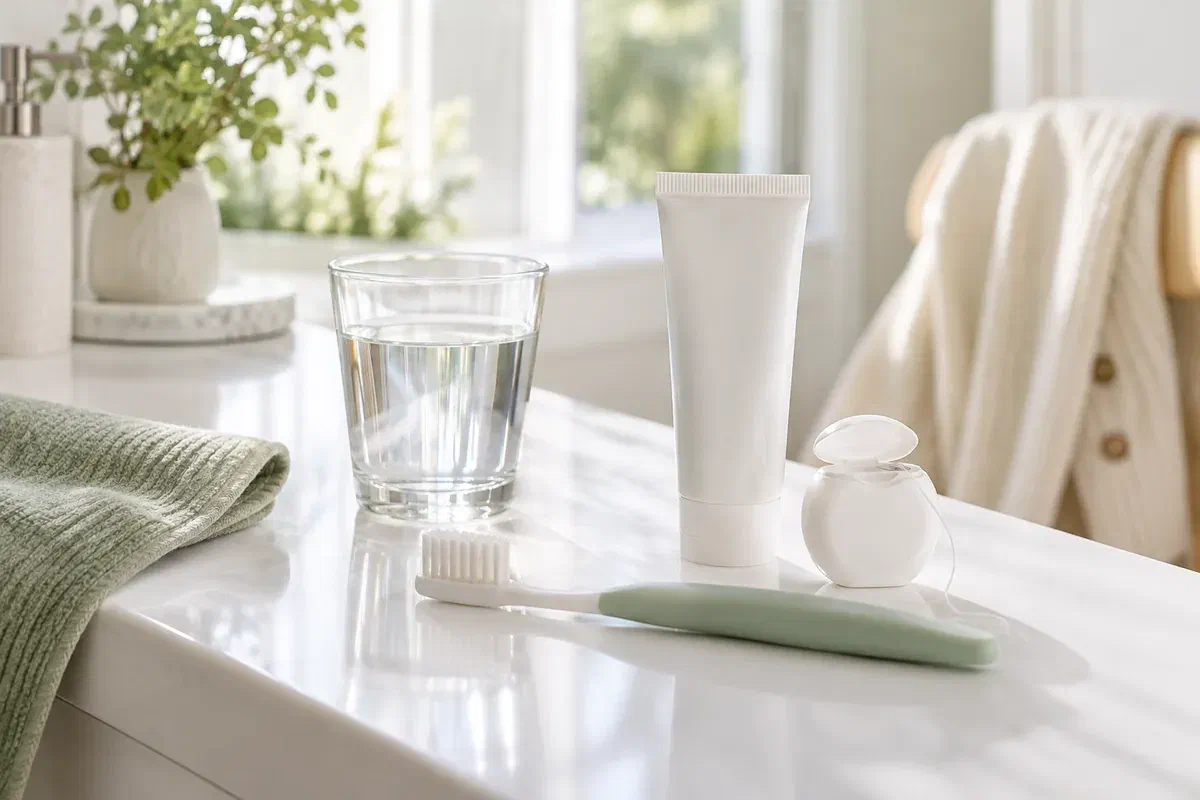
Toothbrush, toothpaste, floss, and water beside a cream cardigan
Signs your routine needs a tweak

Sensitive teeth, sore gums, a new ache.

Pregnancy makes certain mouth changes more common, but only an examination can explain yours. Tell us where it bothers you and whether it is affecting eating, cleaning or sleep.

Gums that bleed or feel puffy

Changing hormones can make the gums more reactive to plaque, and frequent snacking gives plaque more to work with. Bleeding is worth having assessed, with simple cleaning advice. Harsh brushing tends to aggravate the gums, while skipping them lets plaque collect.

Nausea, reflux and sipping

Flavours, the brush at the back of your mouth, or particular times may now cause gagging. Sweet or fizzy drinks used to settle the stomach can add to acid exposure. Mention frequent vomiting or reflux too, because stomach acid can affect enamel.

A toothache, damage or a lump

A sore tooth, a broken filling or a growth on the gum should be examined rather than attributed to pregnancy. Tell us when it started and whether it is changing. Continuing pain or swelling may need care before your routine visit.

Mention your pregnancy, or that you might be pregnant, when you book. That allows an open discussion of X-rays, medicines, comfort and any treatment being proposed.

What you'll take away

Practical changes, not a strict diet.

Preventive, diagnostic and necessary restorative care can all be provided while you are pregnant. If a tooth needs treatment, it is not automatically put off until a set trimester. You should hear what the issue is, what treating it would achieve, and anything about your health or the care involved that needs special consideration.

You can also ask the everyday questions. Is there a better time to brush when you are eating every couple of hours? What drinks are gentler on teeth when you need something to settle your stomach? Which toothpaste can you tolerate? The aim is protection that works with your appetite, not against it.

Patient information: American Dental Association — pregnancy and oral health care

Knowing why a tooth is sore

An exam can tell whether discomfort stems from gum inflammation, a new cavity, an older filling or enamel wear. That makes the advice specific to you rather than a general list of foods to avoid.

A visit paced for you

Tell us when you feel best and what makes appointments uncomfortable. Treatment may be done in shorter stages or include breaks, depending on the work. If you need a snack, a sip of water or a pause, just say.

Tips that match your eating

Advice should reflect what you are eating now, the products you can tolerate and your daily routine. Ask us to show you any new technique, and note down the key ideas if that will help at home.

Inside the appointment

Talk, look, plan, and check back.

Bring your medicine and supplement list, any dietary or health guidance from your prenatal provider, and your questions. A routine checkup and an urgent concern are planned differently.

  1. Start with health and eating habits

    Share your due date, recent health changes and any conditions your prenatal team is watching. If a word with your midwife or doctor would help, the dentist can suggest it. Tell us about allergies, medicines and how often you are snacking or sipping.

  2. Check teeth and gums

    We examine the areas you raised and your overall oral health, looking for early decay or enamel wear. If an X-ray could clarify a particular concern, we explain the reason first. Needed dental imaging can be done during pregnancy.

  3. Discuss options and comfort

    Find out what needs to be treated, what can wait, and how any discomfort will be handled. Freezing with local anaesthetic can be used when suitable. Other medicines or sedation are discussed for your particular situation.

  4. Leave with a simple home plan

    Confirm your next visit and any instructions. If your prenatal team gives new advice that affects your diet or dental care, let us know. Call if symptoms change instead of waiting for the next appointment.

Protecting teeth between snacks

Give your teeth some breaks.

Comfortable, consistent care matters more than a perfect routine. Tell us what is getting in the way, and we will adapt the advice to what you can actually manage.

Brush and clean between teeth daily

Fluoride toothpaste twice a day still does the heavy lifting, especially when you are eating often. Floss or a small interdental brush once daily reaches what the brush misses. If gums sting or you gag, ask for gentler options; bleeding calls for a technique check, not more force.

Water between snacks, and after being sick

Sipping plain water between snacks helps, and a water rinse after vomiting clears acid. Wait before brushing so softened enamel isn't worn. Persistent vomiting or trouble staying hydrated should also be raised with your prenatal provider.

Ask before using medicines

Speak with a pharmacist or appropriate clinician before taking pain relief or other products in pregnancy. Tell them what you already use. A previous prescription or herbal remedy labelled natural is not automatically suitable.

Sorting the next step

From quick tweaks to treatment.

Every dental decision in pregnancy is made on its own facts. Ask what the exam showed, how comfortable you are likely to be, and whether your prenatal care changes anything for this particular tooth or gum.

When small adjustments will help most

Prevention and habit changes

Often the plan is a cleaning, a look for early soft spots in the enamel, and a few realistic swaps in how you snack and sip. Anything worth watching is noted for your next visit. Questions are welcome even when nothing aches.

When a tooth needs repair

Treating a cavity or damage

Decay that has gone past the early stage, an infected tooth or a cracked one may be best treated before the birth. The dentist will lay out the choices and the downside of leaving it. What the tooth needs and how you are doing decide the timing.

When timing is up to you

Optional work later on

Cosmetic or other elective work can usually sit until after the baby arrives, if that is what you would like. Check which new symptoms would make you call sooner. Delaying the optional part should not let a real problem slip by.

Snacking and teeth in Erin

Your questions about eating, drinking and teeth.

Answers depend on your pregnancy, any treatment being considered and what the dentist sees. Share any tips or warnings you have heard elsewhere, and we can explain what is relevant.

(905) 876-4488
Does snacking all day to manage nausea raise my risk of cavities?
Frequent eating, especially sugary or starchy foods, gives plaque more chances to produce acid. You don’t need to stop snacking if it helps your nausea, but water between snacks and good brushing help. Ask your prenatal provider about nausea itself.
Which snacks are gentler on my teeth?
From a dental point of view, foods that are less sugary and less sticky tend to be kinder to teeth. Your prenatal provider can advise on what suits your pregnancy. Drinking water afterwards can also help.
Is chewing sugar-free gum helpful during pregnancy?
For some people, chewing sugar-free gum after eating can help stimulate saliva. If chewing triggers nausea, skip it. Ask the dental team whether it is a useful addition for you.
Can I keep sipping ginger ale or juice for nausea?
Frequent sips of sweet or acidic drinks increase how often teeth are exposed. If you rely on them, try to have them with meals and rinse with water afterwards. Ask your prenatal provider about other ways to manage nausea.
My mouth feels dry lately. Should I mention it?
Yes. A dry mouth can make teeth more vulnerable and may have several causes, including some medicines. Tell the dentist when it started and what you are taking, so they can suggest ways to protect your teeth.
How can I fit a dental visit from Erin into a busy week?
Choose a time when nausea is usually lighter and mention other concerns when booking so they can be covered in one trip. If pain or swelling comes up, call before you drive in so we can advise on urgency.
Erin and Hillsburgh welcome

Bring your snack habits. We won’t lecture.

Our Bronte Street practice can set up a pregnancy checkup or look at a specific worry. When you get in touch, mention how far along you are, what a normal day of eating looks like now, and anything that could make the visit harder. Care and home tips get planned from there.

Phone us about pain or swelling so we can advise how soon you should come in. An online request isn't an immediate booking.

Visit Milton Dental Clinic
Unit 1, 342 Bronte St. S, Milton, ON L9T 5B7
Get directions Clinic hours
Monday–Thursday
11am–7pm
Friday–Sunday
By appointment only

Areas we serve

  • Milton
  • Oakville
  • Mississauga
  • Georgetown
  • Halton Hills
  • Acton
  • Campbellville
  • Brampton
  • Burlington
  • Puslinch
  • Rockwood
  • Erin
  • Caledon
  • Etobicoke
  • Old Milton
  • Bronte Meadows
  • Timberlea
  • Dorset Park
  • Dempsey
  • Clarke
  • Beaty
  • Coates
  • Harrison
  • Scott
  • Willmott
  • Ford
  • Bowes
  • Cobden
  • Walker
  • Mountain View
  • Milton Heights
  • Hawthorne Village
  • Valley View
  • Fallingbrook
  • Nassagaweya
  • Trafalgar
  • Esquesing
  • Nelson
  • Brookville
  • Moffat
  • Glen Williams
  • Norval
  • Limehouse
  • Stewarttown
  • Ashgrove
  • Hornby
  • Silver Creek
  • Speyside
  • Scotch Block
  • North Oakville
  • River Oaks
  • Glen Abbey
  • West Oak Trails
  • Palermo
  • Bronte Creek
  • College Park
  • Joshua Creek
  • Uptown Core
  • Preserve
  • Iroquois Ridge
  • Lisgar
  • Meadowvale
  • Meadowvale Village
  • Churchill Meadows
  • Erin Mills
  • Central Erin Mills
  • Streetsville
  • East Credit
  • Creditview
  • Heartland
  • Sheridan
  • Mount Pleasant
  • Credit Valley
  • Huttonville
  • Churchville
  • Springbrook
  • Northwest Brampton
  • Bram West
  • Fletcher's Meadow
  • Fletcher's Creek South
  • Alton Village
  • Orchard
  • Millcroft
  • Headon Forest
  • Tansley
  • Brant Hills
  • Tyandaga
  • Kilbride
  • Lowville
  • Aberfoyle
  • Morriston
  • Arkell
  • Hillsburgh
  • Freelton
  • Carlisle
  • Waterdown
  • Flamborough
  • Mountsberg

How can we help?

Milton Dental Clinic

Have a question about your smile? Choose the option that works best for you.

For urgent dental concerns, please call.
Messages are reviewed during clinic hours.