

Illustrative dental consultation about health history and appointment planning
General & Family Dentistry

Dental Care for Diabetic Patients

Connect your dental care with the way you manage diabetes. Our Milton team can assess gum changes, dryness, and tooth concerns while considering your health history and everyday routine.

A closer look at dental care for diabetic patients

Bring your whole routine into the dental conversation.

Living with diabetes involves decisions that extend beyond a dental appointment. Meals, medication, glucose monitoring, and other health visits may already require careful planning. Dental care should take those realities into account while still focusing on the particular teeth, gums, or symptoms that brought you through the door.

At Milton Dental Clinic, tell us about your diabetes and any recent changes in its management. We want to understand the information relevant to your care, not make assumptions from a diagnosis. A routine check-up, gum treatment, and a procedure that changes how you eat can each raise different questions.

You are welcome to discuss concerns before committing to treatment. Explain whether your gums bleed, your mouth feels dry, or an earlier dental experience was difficult. Share what would make this visit easier to manage. The aim is a clear dental plan with appropriate medical coordination, practical home-care advice, and an agreed route for follow-up.

Discuss diabetes and your dental visit
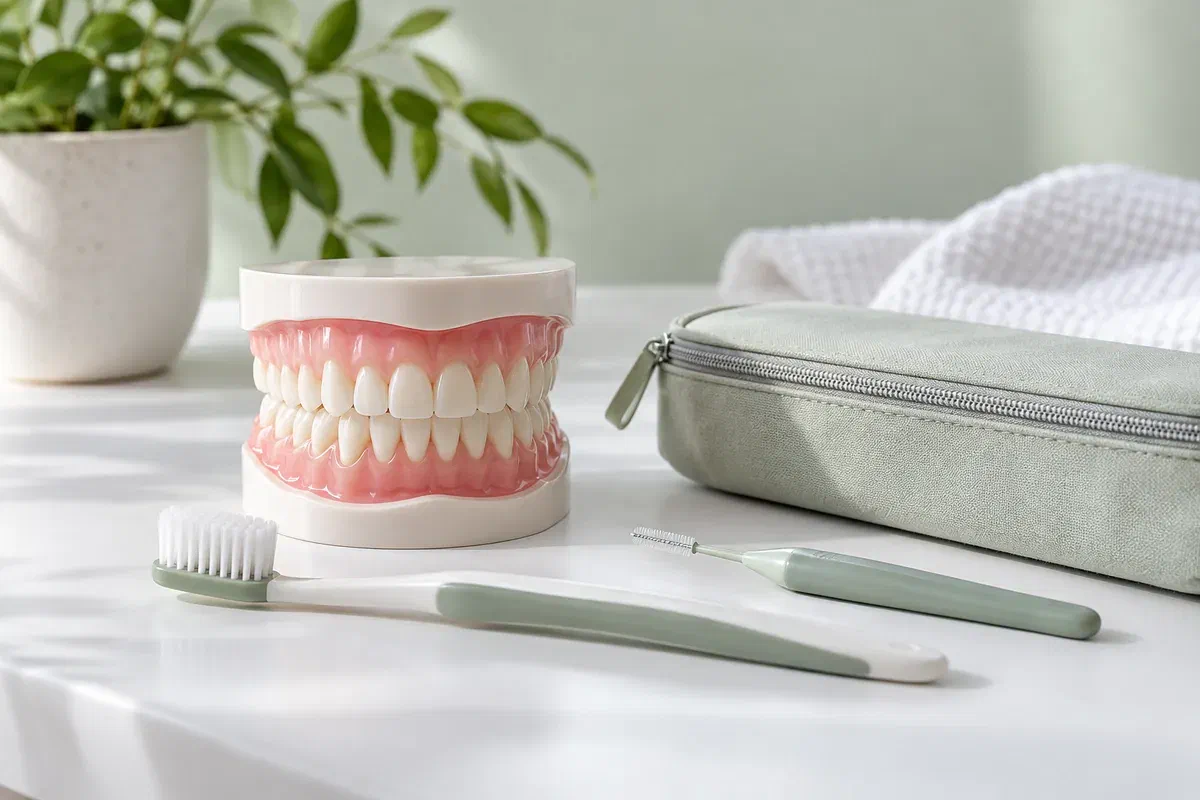
Dental model, toothbrush, interdental brush, and plain travel pouch
Changes to mention

Notice the gums as well as the teeth.

Pain is not the only reason for an assessment. Tell us about changes in comfort, cleaning, chewing, or healing, and explain whether they appeared alongside a change in your general health.

Bleeding, swelling, or loose teeth

Diabetes can increase the likelihood and severity of gum disease, particularly when blood glucose is difficult to manage. Bleeding or a change in tooth stability deserves assessment. The dentist can explain whether the findings call for prevention, gum treatment, or specialist review.

Dryness or sore areas

A persistently dry mouth, tender patch, or change beneath a denture should be checked. These symptoms can have several causes. Describe when they occur and what helps or aggravates them instead of assuming every mouth problem comes directly from diabetes.

A change in diabetes management

Tell us about new medicines, recent episodes of low blood glucose, or advice from your diabetes team that affects appointments. This information helps with planning. Bring your current list rather than relying on a previous dental record to reflect recent changes.

Do not skip meals or change diabetes medicines simply because a dental visit is booked. If a proposed procedure involves fasting or changes to eating afterward, obtain a coordinated plan beforehand.

Why connected care matters

Give oral health a place in the wider picture.

Diabetes and gum health can influence each other. Gum disease may make blood glucose more difficult to manage, while diabetes can affect the gums and healing. Treating an oral problem is worthwhile for your mouth, but it is not a replacement for diabetes care or a promise of a particular glucose result.

An informed plan also makes appointments more predictable. If the dental procedure could affect eating, comfort, or your normal schedule, those details should be discussed in advance. Ask what you will be able to do afterward and whether the medical team needs to help plan any temporary changes.

Patient information: NIDCR — diabetes and oral health

A clear record of gum health

An assessment can document the condition of the gums and supporting tissues. Comparing findings over time helps the team explain changes and treatment priorities. Ask which areas need extra attention and what improvement will be reviewed at follow-up.

Advice matched to practical barriers

Tell us if hand discomfort, vision changes, fatigue, or another issue makes cleaning harder. A suggested technique should work in your actual routine. Demonstration and a small number of useful changes may be easier to follow than a long list of unfamiliar products.

Coordination when the procedure calls for it

The dentist can identify when medical information or advice is needed for the proposed treatment. Confirm who will request it and what you need to bring. You should not have to guess whether an old instruction applies to a new procedure.

Preparing for care

Plan around the appointment and the hours after it.

Bring your medication list, relevant recent diabetes information, and details of your usual routine. Explain any history of low blood glucose during appointments so the team can discuss how to prepare.

  1. Review health and appointment needs

    We discuss the reason for the visit, diabetes management, other health conditions, and relevant recent changes. The dentist may ask about glucose patterns or recent results. These are part of an individual assessment rather than a single number used to make every dental decision.

  2. Examine the oral concern

    The assessment may include the gums, teeth, soft tissues, and any dentures or other appliances. Imaging is considered when it would answer a clinical question. Tell us about areas that are difficult to clean and symptoms that come and go between appointments.

  3. Explain treatment and any coordination

    Ask what care is recommended, why it is needed, and whether medical advice is required first. For a procedure that affects eating or involves sedation, the dental and diabetes plans need to fit together. Do not make medication adjustments without the appropriate clinician's instructions.

  4. Set out recovery and review

    Confirm expected aftercare, how to manage the treated area, and when healing or gum health will be checked. Ask whom to contact if eating becomes difficult or symptoms worsen. Follow your established diabetes plan and seek medical advice if the situation prevents you from following it.

Supporting your mouth day to day

Keep the routine steady and report changes early.

Home care should support the treatment you receive and be practical enough to maintain. Tell the team when a recommendation does not fit your abilities, symptoms, or existing medical instructions.

Clean the gumline and between teeth

Use fluoride toothpaste and an appropriate method for cleaning between teeth. Ask the team to show you how to reach a difficult area. If bleeding persists or cleaning hurts, arrange advice rather than simply abandoning the site or applying more pressure.

Review persistent dryness

Dryness can make the mouth uncomfortable and increase dental risk. Discuss suitable moisturizing or preventive products and mention all medicines you take. Do not stop a prescribed medicine yourself. Any fluid advice should also respect medical instructions that already apply to you.

Attend the recommended review

A follow-up visit may be needed to assess gum response, check healing, or revisit prevention. The interval should reflect your findings and needs. Contact the clinic sooner if a treated area becomes more painful, swelling develops, or a denture begins causing a sore.

Choosing care from the findings

Diabetes informs the plan. The oral diagnosis shapes it.

Not every person with diabetes needs the same dental treatment or appointment schedule. Ask which findings support the recommendation and what will be reviewed to judge progress.

When maintaining current oral health is the focus

Prevention and regular assessment

The plan may concentrate on effective cleaning, cavity prevention, and a suitable review interval. Discuss symptoms and practical difficulties even when the examination is reassuring. Prevention should evolve when your mouth or general health changes.

When the supporting tissues need attention

Treatment for gum disease

Gum findings may call for targeted treatment and reassessment, with periodontal referral where appropriate. Ask what the treatment aims to improve and what you can do at home. Dental treatment supports oral health without replacing your diabetes management.

When a specific tooth or appliance is the concern

Repair or other dental treatment

A damaged tooth or uncomfortable appliance needs its own diagnosis and options. Medical coordination may be relevant to the proposed procedure and healing. Discuss expected eating limitations and follow-up before deciding how treatment will fit your routine.

Questions about diabetes and dental visits

Understand the preparation before appointment day.

Bring questions about meals, medicines, comfort, or healing into the discussion early. These answers provide a starting point; instructions for a particular procedure should be confirmed with the clinicians involved.

(905) 876-4488
Should I skip breakfast before a routine dental appointment if I have diabetes?
Do not change your meal routine just because you are seeing a dentist. Follow your usual diabetes plan unless your treating clinicians provide specific instructions. If sedation or another procedure requires fasting, the medication and meal arrangements need to be agreed beforehand.
Why does the dentist ask about recent blood glucose changes?
Recent changes can be relevant to appointment planning, infection risk, and healing. The dentist may need information from your diabetes team for a particular procedure. A result is considered alongside the treatment proposed and your wider health rather than treated as the whole story.
Does having diabetes mean I need antibiotics for every dental procedure?
No automatic rule applies to every patient or procedure. The dentist considers the oral diagnosis, planned treatment, and relevant medical circumstances. Antibiotics are used for specific indications, and you should not take leftover medication or start a course without an appropriate prescription.
Can gum treatment take the place of my diabetes medication?
No. Treating gum disease supports oral health and may be relevant to the broader relationship between inflammation and glucose management, but it does not replace prescribed diabetes care. Continue working with your diabetes team and do not alter medicines based on a dental treatment result.
What should I tell the dental team about previous low blood sugar episodes?
Explain when episodes tend to happen, how you recognize them, and the response plan your diabetes team has provided. Bring your usual supplies as appropriate and tell staff promptly if you feel unwell. Appointment preparation should account for your history and the procedure planned.
How should I prepare if dental treatment may make eating difficult afterward?
Ask about the expected restrictions before the procedure and discuss how they fit your usual diabetes routine. Medical advice may be needed for meal or medication planning. Do not improvise a dose change; obtain clear instructions and a contact route if recovery prevents normal intake.
Dental care for diabetic patients in Milton

Let’s plan a visit that fits your health and your day.

Contact our Bronte Street clinic with your dental concern and any appointment needs related to diabetes. We can discuss an assessment and the information to bring. A clear account of your routine helps make the next steps easier to understand and prepare for.

Mention diabetes and any recent management changes when booking. Call directly when pain, swelling, or another urgent dental concern needs advice.

Visit Milton Dental Clinic
Unit 1, 342 Bronte St. S, Milton, ON L9T 5B7
Get directions Clinic hours
Monday–Thursday
11am–7pm
Friday–Sunday
By appointment only

How can we help?

Milton Dental Clinic

Have a question about your smile? Choose the option that works best for you.

For urgent dental concerns, please call.
Messages are reviewed during clinic hours.