

Illustrative dental consultation about health history and appointment planning
General & Family Dentistry

Dental Care for Diabetic Patients in Burlington

Meal times, medicine doses and glucose checks already shape your day. If you are coming from Burlington, we can help you choose an appointment time and plan dental care that sits comfortably alongside that routine.

Timing care from Burlington

Pick the hour, then plan the visit.

For many people with diabetes, the first question about a dental appointment is not about teeth at all. It is about timing. Will it clash with lunch? Should a dose be taken before or after? What if the visit runs long? Those are reasonable concerns, and they deserve as much attention as the examination itself.

Tell us how your days usually run and how your diabetes is managed at the moment. We would like to hear about recent changes from you instead of drawing conclusions from a diagnosis on a form. A check-up, a course of gum treatment and a procedure that limits eating for a day or two each call for different preparation.

For anyone booking from Burlington, appointments are available Monday to Thursday from late morning into the evening, with weekend and Friday times by arrangement, so there is some room to choose. Mention any concerns before agreeing to treatment: gums that bleed, a dry mouth, or a past visit when you felt unwell. Together we can settle on a dental plan, any coordination with your medical team, and home care you can keep up.

Plan a visit around your routine
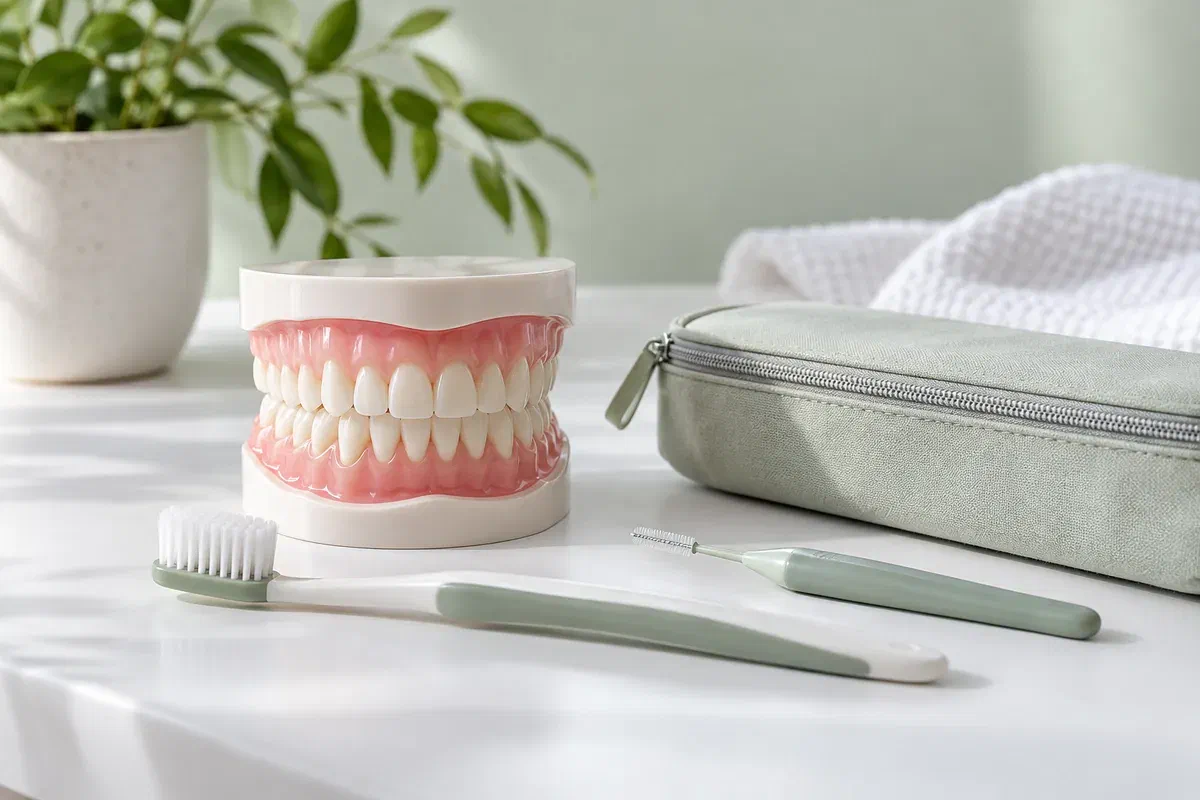
Dental model, toothbrush, interdental brush, and plain travel pouch
Worth bringing up

Notice it, note it, mention it.

A visit is not only for toothache. Changes in comfort, cleaning, chewing or healing are all useful to describe, along with whether they started when something shifted in your general health.

Gum bleeding or a tooth that moves

Gum disease is more likely in people with diabetes and can be more serious when glucose is hard to control. Bleeding, swollen gums or loosening should be examined promptly. The dentist will explain whether the findings point to prevention, gum treatment or a referral.

A dry or uncomfortable mouth

Lasting dryness, a tender area or soreness under a denture needs a look. More than one thing can cause these symptoms, medicines included. Jot down when they flare and what calms them, which gives the dentist more to go on than a guess.

Dose or schedule changes

A new medicine, a different dosing time, recent lows or advice from your diabetes team about appointments are all relevant. Bring your current list. Records from an earlier dental visit may not reflect how things stand now.

Routine dental care should not mean missing a meal or shifting a dose. If a procedure involves fasting or will make eating difficult afterward, agree on the plan with your clinicians before the appointment.

Why planning together helps

A smoother appointment, and a clearer picture of your gums

When glucose is hard to manage, the gums can be more vulnerable and heal more slowly, and active gum disease may in turn make glucose control more difficult. That is why dental care matters. It is still not a substitute for your diabetes treatment, and no dental procedure can promise a specific glucose result.

Knowing your routine lets us plan a visit that holds fewer surprises. If treatment might affect eating, comfort or the rest of your day, we discuss it in advance. Ask what you can expect afterward and whether your doctor should be involved in any short-term changes.

Patient information: NIDCR — diabetes and oral health

Progress you can track

A gum assessment documents the state of your gums and supporting tissues. Comparing visits helps explain what has changed and what to tackle first. Ask what improvement the team will look for at your review.

Home care built around your day

If stiff hands, eyesight, tiredness or an early start make cleaning tricky, say so. Advice should fit the time and energy you have. A quick demonstration and a couple of targeted changes usually help more than a long shopping list.

Medical advice when the treatment needs it

For some procedures, the dentist will want information from your doctor or diabetes team. You will be told who will request it and what to bring. Old instructions should be checked rather than assumed to apply.

The appointment itself

Here is how a visit usually runs.

Bring your medicine list, recent diabetes information if you have it, and a note of when you usually eat and take doses. Mention any history of low glucose at appointments so we can plan ahead.

  1. Start with your routine

    We ask why you came in, how your diabetes is managed, what other conditions you have and what has changed. Expect a question or two about how your numbers have been running. These form part of a personal assessment; one number does not decide every dental question.

  2. Assess the mouth

    We look at your gums, teeth, soft tissues and any appliances. Imaging is suggested only when it would tell us something useful. Point out spots that are hard to clean or symptoms that tend to come and go.

  3. Agree on treatment and timing

    You will hear what is recommended, why, and whether medical advice is needed first. If sedation is involved or eating will be limited afterward, the dental and diabetes plans need to match up. Leave any medicine changes to the clinician who prescribes them.

  4. Map out recovery

    We confirm aftercare, how to look after the treated area and when it will be reviewed. You will know whom to call if eating becomes hard or symptoms worsen. Stay on your diabetes plan and get medical advice if recovery makes that difficult.

At home

Fit care into the routine you already have

The best home routine is one you can keep. Tell us if a suggestion does not suit your abilities, your symptoms or the medical instructions you already follow.

Brush and clean between teeth daily

Use fluoride toothpaste and a between-teeth method that works for your mouth. Pairing it with a time you already check glucose or take a dose can help it stick. If bleeding continues or cleaning is painful, ask for advice instead of skipping the area.

Speak up about dryness

A dry mouth is uncomfortable and can increase decay risk. Ask about suitable products and tell us about every medicine you take. Do not stop a prescription yourself, and check that fluid advice fits your existing medical guidance.

Put the review in your calendar

Follow-ups check gum response, healing or prevention. The interval is based on your findings. Don't wait for that date if the treated spot hurts more each day, swelling starts or a denture begins to rub.

Treatment that fits the findings

What comes next depends on what we see.

Diabetes does not set your treatment or your visit schedule on its own. Ask what findings support each recommendation and how you will know if it is helping.

When the goal is to stay on track

Maintenance and prevention

Care may centre on cleaning, cavity prevention and a regular review that suits your life. Raise practical difficulties even when things look healthy. Prevention should be revisited whenever your mouth or health changes.

When gum tissue needs more help

Treating the gums

Gum findings may lead to focused treatment and a recheck, sometimes with a periodontist. Ask what the treatment should improve and how you can help at home. It supports oral health and works alongside, not instead of, diabetes care.

When a tooth or denture is the concern

Repairs and appliances

A damaged tooth or a denture that hurts needs its own diagnosis. Your medical situation may matter for treatment and healing. Ask how eating will be affected and when follow-up is due before you choose a time for the procedure.

Timing and preparation

Questions about scheduling, meals and medicines

It helps to raise questions about food, doses, comfort or recovery early. These answers are general; the specific plan for your treatment comes from the clinicians you are working with.

(905) 876-4488
Is a morning or afternoon dental appointment better with diabetes?
There is no single best time. Choose one that lets you eat and take medicines as usual. Tell us your routine when booking, and check with your diabetes team if you are unsure which slot would suit you.
What if my appointment runs over a usual meal or snack time?
Let us know beforehand so we can plan, and bring the supplies your diabetes team recommends. If you start to feel unwell during the visit, tell the staff straight away so treatment can pause.
Should I take my diabetes medicine as normal on the day?
Usually, yes, unless the clinician managing your diabetes gives different instructions. If the procedure requires fasting or sedation, arrangements for medicines and meals must be agreed in advance rather than improvised.
Can several dental treatments be done in one longer visit?
Sometimes, depending on the work involved and how you are likely to feel. A longer appointment can affect meals and comfort, so discuss whether one visit or a few shorter ones would suit your routine better.
I have had lows during appointments before. What should I tell the team?
Describe when they tend to happen, the early signs you notice and your response plan. Bring what you normally carry and speak up quickly if you feel off. That history helps shape how the visit is prepared.
How do I plan meals if treatment leaves my mouth sore?
Ask what eating limits to expect before the procedure, then talk with your diabetes team about how to manage them. Do not change a dose on your own. Make sure you know whom to contact if you cannot eat normally.
Burlington to Bronte Street

Tell us the times that work, and we will start there.

Get in touch with our Bronte Street practice about your dental concern and the scheduling needs that come with diabetes. We will suggest an assessment slot and a short list of things worth having with you. A clear sense of your routine helps us plan each step.

Using the request form? Add a line about your diabetes and any recent dose or medicine changes. Toothache or swelling is better handled by phone.

Visit Milton Dental Clinic
Unit 1, 342 Bronte St. S, Milton, ON L9T 5B7
Get directions Clinic hours
Monday–Thursday
11am–7pm
Friday–Sunday
By appointment only

Areas we serve

  • Milton
  • Oakville
  • Mississauga
  • Georgetown
  • Halton Hills
  • Acton
  • Campbellville
  • Brampton
  • Burlington
  • Puslinch
  • Rockwood
  • Erin
  • Caledon
  • Etobicoke
  • Old Milton
  • Bronte Meadows
  • Timberlea
  • Dorset Park
  • Dempsey
  • Clarke
  • Beaty
  • Coates
  • Harrison
  • Scott
  • Willmott
  • Ford
  • Bowes
  • Cobden
  • Walker
  • Mountain View
  • Milton Heights
  • Hawthorne Village
  • Valley View
  • Fallingbrook
  • Nassagaweya
  • Trafalgar
  • Esquesing
  • Nelson
  • Brookville
  • Moffat
  • Glen Williams
  • Norval
  • Limehouse
  • Stewarttown
  • Ashgrove
  • Hornby
  • Silver Creek
  • Speyside
  • Scotch Block
  • North Oakville
  • River Oaks
  • Glen Abbey
  • West Oak Trails
  • Palermo
  • Bronte Creek
  • College Park
  • Joshua Creek
  • Uptown Core
  • Preserve
  • Iroquois Ridge
  • Lisgar
  • Meadowvale
  • Meadowvale Village
  • Churchill Meadows
  • Erin Mills
  • Central Erin Mills
  • Streetsville
  • East Credit
  • Creditview
  • Heartland
  • Sheridan
  • Mount Pleasant
  • Credit Valley
  • Huttonville
  • Churchville
  • Springbrook
  • Northwest Brampton
  • Bram West
  • Fletcher's Meadow
  • Fletcher's Creek South
  • Alton Village
  • Orchard
  • Millcroft
  • Headon Forest
  • Tansley
  • Brant Hills
  • Tyandaga
  • Kilbride
  • Lowville
  • Aberfoyle
  • Morriston
  • Arkell
  • Hillsburgh
  • Freelton
  • Carlisle
  • Waterdown
  • Flamborough
  • Mountsberg

How can we help?

Milton Dental Clinic

Have a question about your smile? Choose the option that works best for you.

For urgent dental concerns, please call.
Messages are reviewed during clinic hours.