

Illustrative dental consultation about health history and appointment planning
General & Family Dentistry

Dental Care for Diabetic Patients in Georgetown

A tooth that needs to come out, or another procedure that will leave you chewing carefully for a few days, raises questions about meals and medicines. From Georgetown, plan that treatment with your diabetes routine in view.

Treatment planning for Georgetown

What will I eat afterward?

It is one of the first things people with diabetes ask once a dentist mentions an extraction or a bigger repair. Soft foods, a numb lip and a sore jaw can upset a carefully balanced eating pattern. Thinking it through ahead of time, with input from your medical team where needed, makes the days after treatment far easier to manage.

So the conversation begins with you. How is your diabetes managed right now, and what has changed in the past few months? What does a normal day of meals look like? These answers matter more than the diagnosis itself, because a cleaning, gum therapy and an extraction each ask something different of your routine.

Coming from Georgetown, you may prefer to schedule treatment at a time when you can rest at home afterward. Say so. You can raise concerns before agreeing to anything, including bleeding gums, dryness, or a past procedure that left you feeling unwell. The goal is a plan you understand, coordination where it is needed, and recovery steps written down clearly.

Plan a procedure around your diabetes
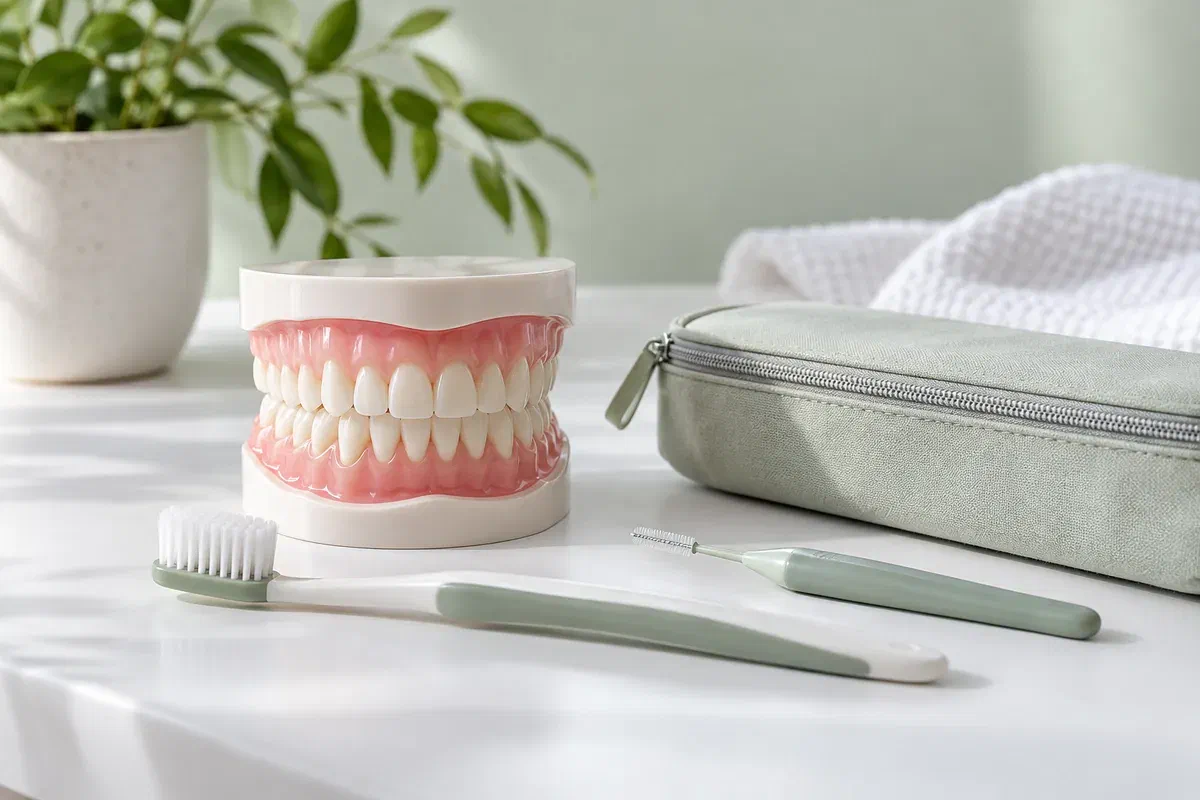
Dental model, toothbrush, interdental brush, and plain travel pouch
Before treatment is booked

Three things to sort out first

Treatment planning is not only about the tooth involved. If anything else in your mouth has felt different lately, or a recent health change seemed to set it off, that belongs in the discussion too.

The state of the gums around the tooth

With diabetes, gum disease is more common and may be more severe when glucose is hard to control. Bleeding, swelling or loosening near the area being treated can affect planning. The dentist will explain whether gum care, prevention or a specialist opinion should come first.

Dryness and existing sore areas

A dry mouth or a tender spot elsewhere can make recovery more uncomfortable. These symptoms have several possible causes. Describe them now, with when they occur and what helps, so they can be factored into the plan.

Your current diabetes routine

New medicines, recent lows and any advice from your diabetes team about procedures are all relevant. Bring an up-to-date list. A record from a previous dental visit might not show recent changes.

Keep eating and taking medicines normally in the lead-up to a routine appointment. For a procedure that needs fasting or will change your diet for a while, get coordinated instructions from your dental and diabetes clinicians in advance.

Why advance planning matters

Healing goes better when the details are settled early.

Diabetes can affect the gums and the speed of healing, and gum disease in turn may make glucose harder to manage. Addressing dental problems helps the mouth. It is still separate from diabetes treatment, and no procedure can promise a particular glucose result.

A plan agreed in advance makes the recovery period more predictable. We will describe how a procedure is likely to affect eating, comfort and your day, and when it makes sense to bring your doctor in on short-term changes. Ask as many questions as you need about the first few days.

Patient information: NIDCR — diabetes and oral health

A clear view of the area being treated

An assessment records the condition of the gums and supporting tissue around the tooth and elsewhere. That helps explain the options and what follow-up will look for.

Soft-food and cleaning tips that suit you

We can suggest how to keep the area clean while it heals and how to work around a tender side. If hand discomfort, vision or tiredness makes cleaning hard, tell us so the advice fits.

Medical input where the procedure needs it

For some procedures, the dentist will want information or advice from your doctor or diabetes team. We will explain who will request it and what you should bring, so nothing is left to guesswork on the day.

From assessment to recovery

How a planned procedure comes together

Have your medicine list, recent diabetes information and an outline of your typical meals ready. If you have had low glucose during an appointment before, tell us so we can prepare.

  1. Health and routine review

    We talk about the tooth or concern, how you manage diabetes, other conditions and recent changes. Your glucose history may be part of the discussion, alongside everything else, rather than a single deciding figure.

  2. Examination and imaging

    We assess the tooth, surrounding gums, soft tissues and any appliances. An X-ray is often needed before an extraction or larger repair so the dentist can see the roots and bone. Point out other areas that bother you too.

  3. Treatment and coordination plan

    You will hear the options, the reasons for them and whether medical advice is needed first. Sedation or a procedure that limits eating means the dental and diabetes plans need to fit. Only your prescriber should change medicines.

  4. Recovery instructions in writing

    We go through aftercare, what to eat in the first days and when we will check healing. You will have a contact for problems such as being unable to eat. Keep to your diabetes plan, and seek medical advice if recovery makes that difficult.

The days after treatment

Gentle eating, careful cleaning, quick reporting

Aftercare should protect the treated area and fit what you can realistically do. If any advice clashes with your abilities, symptoms or medical instructions, mention it.

Keep the rest of your mouth clean

Brush with fluoride toothpaste and clean between teeth as usual, taking care around the healing site as instructed. If bleeding continues or cleaning becomes painful, call for advice instead of avoiding the area altogether.

Plan meals you can manage

Soft, easy-to-chew options can help while the area heals. Work with your diabetes team on how to keep meals balanced. A dry mouth can add discomfort, so ask about products that may help and keep taking prescriptions unless told otherwise.

Come back for the healing check

A review lets the dentist confirm that the area is settling. Phone before then if pain is increasing after the first few days, swelling develops or you cannot eat properly.

Choosing the right treatment

Sometimes saving the tooth, sometimes not

The right choice depends on the tooth, the gums and your health. Ask what the dentist saw, what each option involves, and what the follow-up will check.

When no treatment is needed yet

Prevention and monitoring

Sometimes the best step is better cleaning, cavity prevention and a sensible recall. Mention any practical struggles even if the exam looks good. Prevention should be reviewed as your mouth or health changes.

When gum health affects the bigger plan

Treating the gums first

Gum treatment and reassessment may come before other work, sometimes with a periodontist. Ask what it should achieve and how your daily cleaning supports it. It helps the mouth but does not replace diabetes care.

When a tooth cannot be left as it is

Repair or extraction

A damaged tooth needs its own diagnosis and options, from a filling or crown to removal. Your medical situation may affect the procedure and healing. Ask how long eating will be limited and what follow-up is involved.

Procedure questions

Before, during and after treatment

Raise questions about meals, medicines, comfort and recovery early in planning. These answers are general, and the specifics for your procedure will come from the dentist and your diabetes team.

(905) 876-4488
Will a tooth extraction heal more slowly because I have diabetes?
It can for some people, especially when glucose has been hard to manage. The dentist will explain what to expect and when healing will be reviewed. Report worsening pain or swelling rather than waiting.
What should I eat after having a tooth taken out?
Soft foods that need little chewing are usually easiest at first. Ask the dentist about specific limits, and talk with your diabetes team about keeping meals balanced while you recover.
Do I need to fast before an extraction?
Not for most extractions done with local anaesthetic. If sedation is planned, there may be fasting rules, and your medicine and meal plan should be agreed with your clinicians in advance.
Will I get antibiotics after an extraction because of my diabetes?
Not automatically. The dentist considers the procedure, the diagnosis and your health. Antibiotics are used for specific reasons and should only be taken when prescribed for this treatment.
Can I schedule the procedure so I can rest afterward?
Yes, and it is often a good idea. Tell us what timing suits your meals, medicines and plans for the rest of the day.
Who should I call if I cannot eat properly after treatment?
Contact the clinic about dental problems such as pain or swelling, and your diabetes team about how to adjust meals or medicines. Do not change a dose without their advice.
Georgetown, plan ahead

Book the consultation before the procedure.

Let our Bronte Street team know which tooth or problem is on your mind and how you manage diabetes. We can arrange an assessment first, so treatment and recovery are planned before the day. Information about your meals and routine helps.

Please include recent changes to your diabetes management in your request. If you are in pain or have swelling now, call so we can give advice promptly.

Visit Milton Dental Clinic
Unit 1, 342 Bronte St. S, Milton, ON L9T 5B7
Get directions Clinic hours
Monday–Thursday
11am–7pm
Friday–Sunday
By appointment only

Areas we serve

  • Milton
  • Oakville
  • Mississauga
  • Georgetown
  • Halton Hills
  • Acton
  • Campbellville
  • Brampton
  • Burlington
  • Puslinch
  • Rockwood
  • Erin
  • Caledon
  • Etobicoke
  • Old Milton
  • Bronte Meadows
  • Timberlea
  • Dorset Park
  • Dempsey
  • Clarke
  • Beaty
  • Coates
  • Harrison
  • Scott
  • Willmott
  • Ford
  • Bowes
  • Cobden
  • Walker
  • Mountain View
  • Milton Heights
  • Hawthorne Village
  • Valley View
  • Fallingbrook
  • Nassagaweya
  • Trafalgar
  • Esquesing
  • Nelson
  • Brookville
  • Moffat
  • Glen Williams
  • Norval
  • Limehouse
  • Stewarttown
  • Ashgrove
  • Hornby
  • Silver Creek
  • Speyside
  • Scotch Block
  • North Oakville
  • River Oaks
  • Glen Abbey
  • West Oak Trails
  • Palermo
  • Bronte Creek
  • College Park
  • Joshua Creek
  • Uptown Core
  • Preserve
  • Iroquois Ridge
  • Lisgar
  • Meadowvale
  • Meadowvale Village
  • Churchill Meadows
  • Erin Mills
  • Central Erin Mills
  • Streetsville
  • East Credit
  • Creditview
  • Heartland
  • Sheridan
  • Mount Pleasant
  • Credit Valley
  • Huttonville
  • Churchville
  • Springbrook
  • Northwest Brampton
  • Bram West
  • Fletcher's Meadow
  • Fletcher's Creek South
  • Alton Village
  • Orchard
  • Millcroft
  • Headon Forest
  • Tansley
  • Brant Hills
  • Tyandaga
  • Kilbride
  • Lowville
  • Aberfoyle
  • Morriston
  • Arkell
  • Hillsburgh
  • Freelton
  • Carlisle
  • Waterdown
  • Flamborough
  • Mountsberg

How can we help?

Milton Dental Clinic

Have a question about your smile? Choose the option that works best for you.

For urgent dental concerns, please call.
Messages are reviewed during clinic hours.