

Illustrative dental consultation about health history and appointment planning
General & Family Dentistry

Dental Care for Diabetic Patients in Oakville

Pink on the floss or a gum that looks puffier than usual can prompt a question when you live with diabetes. For people coming from Oakville, we assess the gums and teeth with your health history in view.

Oakville · gums and diabetes

Is that bleeding just a brushing slip, or something to look at?

It often starts at the bathroom sink. You floss, see a little blood, and wonder whether it matters. With diabetes, the answer is that it is worth a proper look. Gum changes are common, they are easier to manage early, and a dental exam can tell you what is actually going on beneath the surface.

We do not treat a diagnosis as a script. Instead, we ask how your diabetes is managed now, what has recently changed, and which symptoms you have noticed. Someone who needs a routine cleaning and someone facing a procedure that affects chewing for a few days will have different things to prepare for, and the conversation reflects that.

From Oakville, especially the northern neighbourhoods, many people combine a dental visit with a busy workday. Tell us what time of day suits your meals and medicines. You can talk through concerns before agreeing to anything, describe dryness or a past appointment that went badly, and leave with a clear plan, any medical coordination it calls for, and practical home-care steps.

Ask about your gums and diabetes
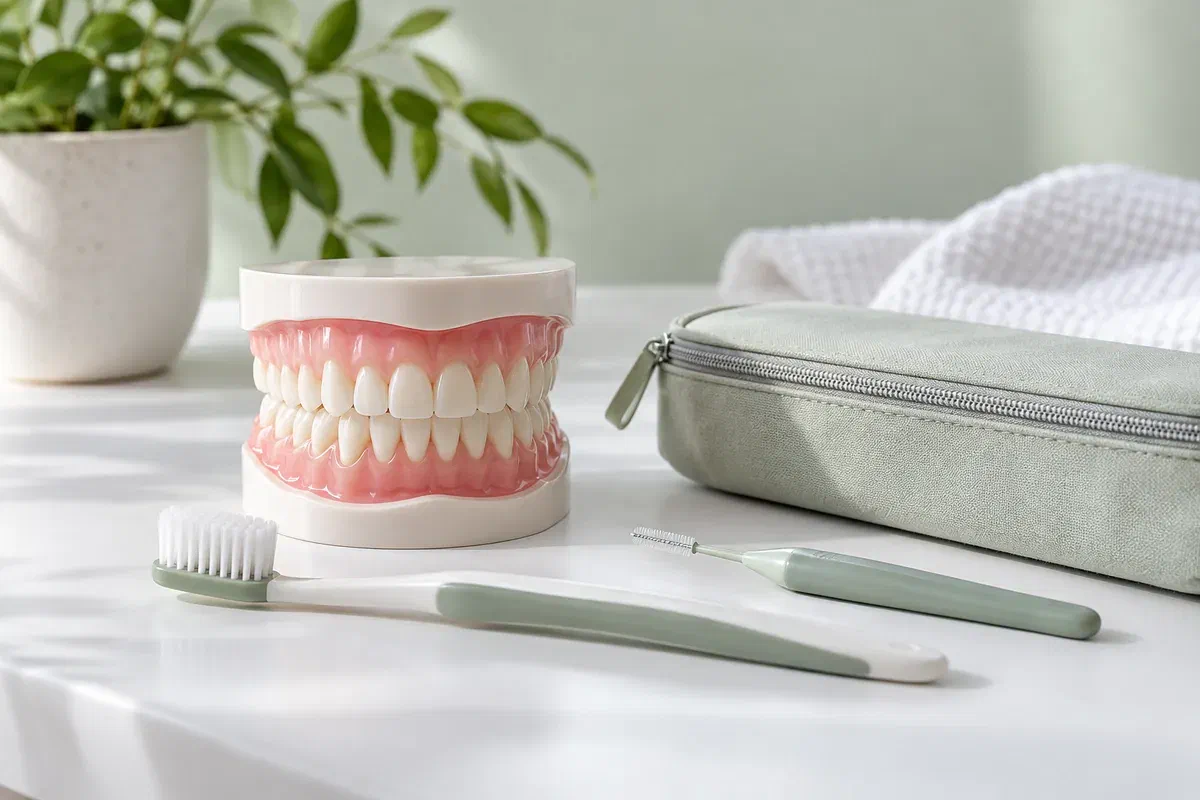
Dental model, toothbrush, interdental brush, and plain travel pouch
Signals to share

Small changes can say a lot.

Discomfort is not the only trigger for a visit. Let us know about anything new in how your mouth feels, cleans, chews or heals, and whether it coincided with a change in your health.

Bleeding, tenderness or shifting teeth

With diabetes, gum disease tends to be more likely and can progress further, especially when glucose is difficult to keep in range. Blood when brushing, swelling or a tooth that feels different should be checked. The dentist will explain whether prevention, gum care or a specialist view is the right next step.

Dryness, burning or sore patches

A mouth that stays dry, a spot that will not settle, or irritation under an appliance deserves attention. These can have more than one cause. Keep a rough note of when they happen and what helps, rather than assuming diabetes is responsible for everything.

Updates from your diabetes team

New medicines, a recent low, or guidance that affects when you can attend appointments are all relevant. Bring the current list with you. A dental chart from a previous visit may not include what changed since.

There is no need to skip food or adjust diabetes medicines because of a routine dental visit. If a procedure involves fasting or will limit eating afterward, ask for a coordinated plan well before the day.

The connection

Why your dentist wants to know about your glucose

Gum health and diabetes can affect one another. Ongoing gum inflammation may make glucose harder to manage, and diabetes can influence gum tissue and recovery. Treating a gum problem helps your mouth, but it is not a replacement for diabetes care and cannot promise a particular result on your next test.

The information also keeps appointments predictable. When treatment could affect eating, comfort or your plans for the day, we can discuss it beforehand. Ask what you will be able to do afterward and whether your doctor or diabetes team should help plan any short-term changes.

Patient information: NIDCR — diabetes and oral health

Measurements, not guesswork

Gum assessments record pocket depths, bleeding and the condition of supporting tissues. Repeating them over time shows whether things are improving. Ask which areas the team is watching most closely.

Cleaning advice that fits you

Tell us if sore joints, eyesight, fatigue or a packed schedule make cleaning difficult. A method you will actually use beats an ideal routine you cannot keep. We can demonstrate a technique and focus on the changes that matter most.

Coordination with your other clinicians

Certain treatments need information or advice from your medical team. The dentist will tell you when that is the case, who will make the request and what to bring. You should not have to wonder whether an older instruction still applies.

Step by step

What to expect from first question to follow-up

Have your medication list, any recent diabetes results and a description of your daily routine ready. If you have felt shaky or low during a past appointment, tell us so the visit can be prepared with that in mind.

  1. Talk through your health

    We cover why you are here, how your diabetes is managed, other conditions and anything that has changed lately. You may be asked how your readings have looked lately. That information is weighed with everything else, not used as a single pass-or-fail number.

  2. Examine gums and teeth

    The exam may include gum measurements, teeth, soft tissues and any dentures or appliances. If something cannot be judged by looking, the dentist may recommend an X-ray. Mention areas that bleed, feel tender or are hard to reach.

  3. Discuss the plan and any medical input

    You will hear what we recommend, the reasons, and whether advice from your doctor is needed first. Sedation or treatment that limits eating requires the dental and diabetes plans to work together. Only the prescribing clinician should change your medicines.

  4. Confirm aftercare and the review date

    Before you go, we confirm how to look after the area and when gums or healing will be checked again. You will know whom to contact if eating becomes difficult or things get worse. Keep to your diabetes plan and call your medical team if recovery disrupts it.

Everyday care

Consistency beats intensity.

Home care should reinforce the treatment and be realistic to keep up. Let us know if something we suggest clashes with your abilities, your symptoms or existing medical advice.

Focus on the gumline

Brush with a fluoride toothpaste and clean between teeth daily using floss, picks or small brushes. Ask us to show you the angle for a hard-to-reach spot. If bleeding persists or cleaning hurts, arrange a check instead of skipping the area or pressing harder.

Ask about a dry mouth

Dryness can feel unpleasant and raise the chance of decay. Ask which moisturizing or protective products may help and list every medicine you take. Never stop a prescription without advice, and make sure any guidance on drinking fluids fits your medical plan.

Book the follow-up

A review may be needed to see how the gums responded, check healing or refresh prevention. Its timing depends on your findings. Call sooner if a treated area becomes more painful, swelling develops or an appliance starts rubbing.

Possible directions

Three paths, chosen by what the exam shows

People with diabetes do not all need the same treatment or visit schedule. Ask which findings support a recommendation and what will show whether it is working.

When your mouth is in good shape

Preventive care and check-ups

The focus may be on cleaning technique, preventing cavities and a review interval that fits. Bring up symptoms or difficulties even if the exam looks fine. Prevention should change when your mouth or general health does.

When gums and supporting tissue need care

Gum treatment

Gum findings can call for targeted treatment followed by reassessment, and sometimes a periodontist referral. Ask what improvement the treatment is aiming for and what you can do at home. It supports your mouth without replacing diabetes care.

When one area needs repair

Restoring a tooth or appliance

A cracked tooth or an uncomfortable appliance needs its own assessment and options. Your health history may matter for the procedure and recovery. Ask how eating might be affected and what follow-up involves before you decide.

Your questions

What people ask before a visit

Questions about food, medicines, comfort or recovery are best raised early. Treat these answers as a general guide, and check the details of any planned treatment with the people providing it.

(905) 876-4488
My gums bleed a little when I floss. Should I stop flossing?
No. Bleeding is often a sign that the gums are inflamed, and stopping usually lets the problem continue. Keep cleaning gently and book an assessment, especially with diabetes, so the dentist can see what is causing it.
Is gum disease more serious for someone with diabetes?
It can be. Diabetes raises the risk of gum disease and may make it more severe, particularly when glucose is hard to manage. Early assessment and steady home care give you the best chance of keeping it under control.
Why does my dentist ask about my A1C or recent readings?
Recent glucose information can be relevant to planning, healing and infection risk. It is considered with the treatment proposed and your wider health. You are welcome to share what you know, and the dentist may ask your diabetes team for more if a procedure calls for it.
What time of day is best for a dental appointment if I have diabetes?
That depends on your usual meals and medicines. Many people prefer a time that does not interrupt their normal routine. Tell us when you book, and ask your diabetes team if you are unsure what would suit you.
Could a dental infection affect my glucose?
Infections and inflammation can make glucose harder to manage for some people. That is one reason not to ignore swelling or pain. Contact the clinic about dental symptoms and follow your diabetes team’s advice if your readings change.
Is it worth the trip from Oakville for a routine check-up?
That is your call. Some people find it easier to keep one dental team who knows their history. If you do come in, we can try to group needs into fewer visits and help you plan around meals and medicines.
Booking from Oakville

Start with a check of your gums.

Contact our Bronte Street clinic about your dental concern and any diabetes-related needs we should plan for. A gum assessment is a good first step, and we will tell you what information helps on the day. Knowing your routine makes the next steps easier to follow.

Please mention diabetes, and anything your doctor has changed recently, as you book. If you are dealing with pain or swelling, a phone call is the quicker route to advice.

Visit Milton Dental Clinic
Unit 1, 342 Bronte St. S, Milton, ON L9T 5B7
Get directions Clinic hours
Monday–Thursday
11am–7pm
Friday–Sunday
By appointment only

Areas we serve

  • Milton
  • Oakville
  • Mississauga
  • Georgetown
  • Halton Hills
  • Acton
  • Campbellville
  • Brampton
  • Burlington
  • Puslinch
  • Rockwood
  • Erin
  • Caledon
  • Etobicoke
  • Old Milton
  • Bronte Meadows
  • Timberlea
  • Dorset Park
  • Dempsey
  • Clarke
  • Beaty
  • Coates
  • Harrison
  • Scott
  • Willmott
  • Ford
  • Bowes
  • Cobden
  • Walker
  • Mountain View
  • Milton Heights
  • Hawthorne Village
  • Valley View
  • Fallingbrook
  • Nassagaweya
  • Trafalgar
  • Esquesing
  • Nelson
  • Brookville
  • Moffat
  • Glen Williams
  • Norval
  • Limehouse
  • Stewarttown
  • Ashgrove
  • Hornby
  • Silver Creek
  • Speyside
  • Scotch Block
  • North Oakville
  • River Oaks
  • Glen Abbey
  • West Oak Trails
  • Palermo
  • Bronte Creek
  • College Park
  • Joshua Creek
  • Uptown Core
  • Preserve
  • Iroquois Ridge
  • Lisgar
  • Meadowvale
  • Meadowvale Village
  • Churchill Meadows
  • Erin Mills
  • Central Erin Mills
  • Streetsville
  • East Credit
  • Creditview
  • Heartland
  • Sheridan
  • Mount Pleasant
  • Credit Valley
  • Huttonville
  • Churchville
  • Springbrook
  • Northwest Brampton
  • Bram West
  • Fletcher's Meadow
  • Fletcher's Creek South
  • Alton Village
  • Orchard
  • Millcroft
  • Headon Forest
  • Tansley
  • Brant Hills
  • Tyandaga
  • Kilbride
  • Lowville
  • Aberfoyle
  • Morriston
  • Arkell
  • Hillsburgh
  • Freelton
  • Carlisle
  • Waterdown
  • Flamborough
  • Mountsberg

How can we help?

Milton Dental Clinic

Have a question about your smile? Choose the option that works best for you.

For urgent dental concerns, please call.
Messages are reviewed during clinic hours.