

Illustrative conversation between an older adult and a dental clinician
General & Family Dentistry

Dental Care for Older Adults

Keep comfort, choice, and everyday function at the centre of your dental care. Our Milton team welcomes older adults with natural teeth, dentures, and questions about changing oral health needs.

A closer look at dental care for older adults

Care for the smile you have and the life you lead.

Dental care in later adulthood can involve a familiar check-up, a new concern, or a decision about dental work that has served you for many years. Age alone does not tell us what your mouth needs. Your teeth, gums, appliances, health, and preferences provide a more useful starting point.

At Milton Dental Clinic, we want to understand how your mouth affects daily life. Perhaps a denture moves during conversation, a tooth feels sensitive at meals, or a cleaning routine has become awkward. You may simply want to keep things stable. Each of those priorities deserves a clear discussion and an assessment that explains the available choices.

You remain central to the conversation. Bring a trusted person if you would like help remembering information or discussing arrangements, and tell us how you want them involved. Mention communication, positioning, or access needs when booking so practical details can be confirmed. The aim is care you understand and can manage, with a plan that respects what matters to you.

Discuss your dental priorities
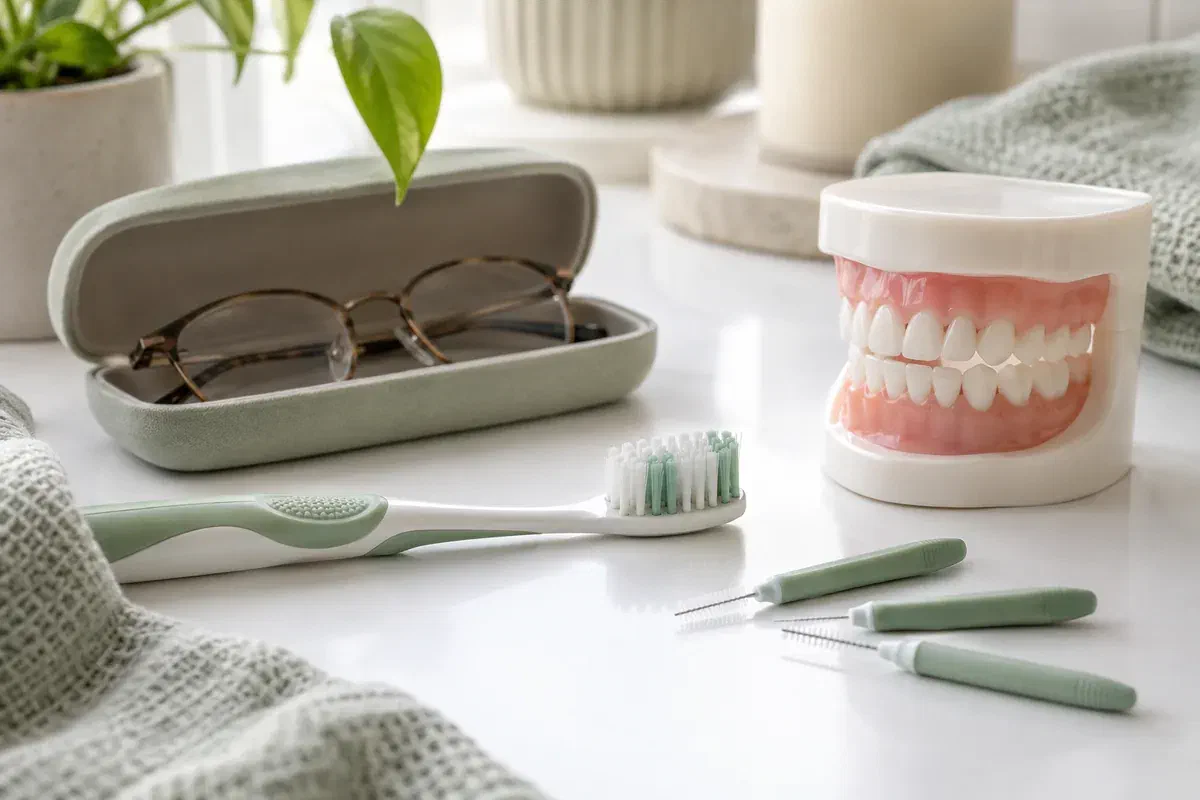
Easy-grip toothbrush, interdental brushes, dental model, and reading glasses
When familiar routines start to change

Small difficulties can be useful reasons to check in.

Tell us about discomfort, changes in function, or tasks that take more effort than before. You do not need to wait for severe pain before asking whether an adjustment or assessment would help.

Sensitivity or problems with older dental work

A crown, bridge, or filling can develop a concern even after many comfortable years. Describe any rough edge, food trapping, or change in your bite. The dentist can assess the surrounding tooth and explain whether monitoring, repair, or replacement deserves consideration.

Dryness or a sore patch

Persistent dry mouth should not be dismissed as a normal part of getting older. Medicines and health conditions can contribute. A sore area, burning sensation, or unexplained change in the tissues also deserves assessment rather than repeated treatment with an untested home remedy.

Cleaning or denture use becoming harder

Changes in hand comfort, vision, or daily support may affect a once-familiar routine. Tell us which step is difficult. If a denture rubs or feels unstable, explain when that happens so the appliance and the tissues beneath it can be reviewed together.

A change in the mouth is not automatically explained by age. Tell the team about persistent sores, new lumps, unexplained bleeding, or a change in chewing or swallowing so the appropriate assessment can be arranged.

Planning with your priorities

Make the next step useful, understandable, and realistic.

A good dental plan begins with the outcome you want and the condition of your mouth. Keeping a comfortable tooth, making an appliance easier to use, or simplifying daily cleaning may be the immediate priority. Ask how each recommendation would help and what ongoing care it would require.

The practical side of treatment matters as well. Discuss the number of visits, recovery expectations, costs, and the support you would need afterward. Staging care may sometimes be appropriate. A recommendation should give you enough information to compare options without assuming that everyone of the same age wants the same result.

A clear explanation of existing dental work

Ask which restorations are functioning well and which need closer attention. Understanding the findings can help you distinguish urgent problems from changes that may be monitored. The age of a filling alone is not a complete reason to replace it.

A routine that matches your abilities

The team can discuss brush handles, suitable cleaning aids, and ways to reach particular areas. If someone assists you, a demonstration may help them provide the support you want. Recommendations should reflect your preferences and what you can comfortably use.

Room to revisit decisions

Your health, priorities, or support arrangements may change over time. Tell the dentist when a previous plan no longer feels practical. Reviewing options is part of continuing care, and you can ask for an explanation again before deciding on the next stage.

What an assessment can involve

Start with your experience, then look at the details.

Bring a current medication list, relevant health updates, and any dentures or appliances you want assessed. A short list of your main concerns can help keep the visit focused on your priorities.

  1. Discuss health and everyday function

    We ask about your reason for attending, medical history, medicines, and how you eat and clean your mouth. Mention recent changes even if they seem unrelated to dentistry. Tell us whether hearing, vision, positioning, or communication arrangements would make the appointment easier.

  2. Assess teeth, tissues, and appliances

    The examination considers the parts of your mouth relevant to your needs, including gums, remaining teeth, and denture-bearing tissues. Imaging may be recommended when it would help answer a particular question. Explain symptoms that do not happen during the appointment itself.

  3. Compare care options and their demands

    Ask what each option involves now and what it would require later. Discuss benefits, limitations, costs, and the number of appointments. Where medical advice or specialist input is needed, the reason and next steps should be clear before treatment is arranged.

  4. Agree a plan you can follow

    Confirm the treatment or monitoring plan, home-care instructions, and the next review. Request written information if helpful. With your permission, a support person can be included in practical arrangements, while questions and decisions continue to involve you appropriately.

Keeping care manageable at home

Adapt the tools without losing sight of the purpose.

Daily care should suit your natural teeth, dental work, and appliances. Ask for a demonstration of the steps that matter most rather than trying to assemble a routine from unrelated product advice.

Make cleaning easier to handle

Use fluoride toothpaste for natural teeth and a suitable method for cleaning between them. A larger handle or different cleaning aid may help if gripping is difficult. Let the team see how you use it so advice addresses the actual obstacle.

Give dentures their own care routine

Follow instructions suited to the material and type of appliance you wear. Clean the mouth as well as the denture, and ask about appropriate wearing and resting periods. Report rubbing or poor fit rather than relying on adhesive to conceal a continuing problem.

Discuss dryness and medication changes

Tell the team when dryness began and whether it followed a new medicine or health change. Suitable symptom relief and dental prevention can be discussed. Do not stop prescribed medication yourself, and keep any existing medical fluid restrictions in mind when asking for advice.

Patient information: NIDCR — understanding persistent dry mouth · NIDCR — oral health resources for older adults

Deciding what care should achieve

Compare the possibilities against your own priorities.

The right choice may preserve what is working, address a specific problem, or improve an appliance. Ask how the expected benefit compares with the demands of treatment and ongoing maintenance.

When current function is comfortable

Prevention and maintenance

A plan may focus on keeping natural teeth and existing dental work healthy through appropriate cleaning, prevention, and review. Areas of concern can be monitored with a clear explanation of what would prompt treatment. Comfort alone does not replace an examination.

When a particular problem needs attention

Targeted treatment or repair

A damaged tooth, gum concern, or uncomfortable restoration may call for specific treatment. Ask about conservative options, expected durability, and follow-up. The recommendation should be based on the findings and your health rather than an assumption about age.

When missing teeth affect daily function

Denture or tooth-replacement planning

The discussion may include adjusting an existing appliance or considering replacement options. Suitability depends on oral findings, health, preferences, and maintenance needs. Explain how you hope to eat or speak more comfortably so the comparison stays connected to everyday life.

Questions about dental care later in life

Your preferences belong in every care decision.

You can ask about alternatives, practical arrangements, and the reason for any recommendation. Bring a list or a support person if that helps you feel prepared for the conversation.

(905) 876-4488
Is losing natural teeth an unavoidable part of getting older?
No. Tooth loss is not an inevitable consequence of age. The condition of the teeth and supporting tissues, disease, and other individual factors matter. An assessment can explain what is affecting your mouth and which preventive or treatment steps may help preserve comfortable function.
Do older fillings need replacement just because they have been there for decades?
Not automatically. The dentist assesses their condition, the surrounding tooth, and any symptoms or signs of disease. Some older restorations continue to function well, while others need attention. Ask which findings support a recommendation and whether monitoring or repair is an appropriate alternative.
Can I still benefit from dental visits if I no longer have natural teeth?
Yes. Denture fit, oral tissues, comfort, and changes in the mouth still need attention. Tell the team about rubbing, difficulty eating, or changes beneath an appliance. The examination and review interval should reflect your needs rather than focus only on whether natural teeth remain.
What if arthritis makes it difficult to hold a toothbrush or use floss?
Explain which movements are difficult and bring your current tools if useful. A different handle, powered brush, or suitable interdental aid may be discussed. The team can demonstrate alternatives so you can judge what feels manageable instead of buying several unfamiliar products without guidance.
Will my family member be expected to answer dental questions for me?
You should remain involved in your care and be addressed directly. Tell the team what support you want and what information may be shared. A family member can help with remembering details or arrangements without automatically taking over decisions; any consent requirements are considered individually.
How can I compare dental options when visits and recovery feel demanding?
Ask for a clear explanation of the number of appointments, expected recovery, costs, and long-term maintenance for each reasonable option. Discuss whether care can be staged and what happens if you defer it. Your practical limits and priorities should be part of the recommendation.
Dental care for older adults in Milton

Let’s focus on what makes everyday life more comfortable.

Call our Bronte Street practice to discuss your concerns and appointment needs. Whether you want to maintain natural teeth, review an appliance, or understand a new symptom, we can start with an assessment and a conversation about the choices that fit your circumstances.

Mention access, communication, or positioning needs when booking so arrangements can be confirmed before your visit.

Visit Milton Dental Clinic
Unit 1, 342 Bronte St. S, Milton, ON L9T 5B7
Get directions Clinic hours
Monday–Thursday
11am–7pm
Friday–Sunday
By appointment only

How can we help?

Milton Dental Clinic

Have a question about your smile? Choose the option that works best for you.

For urgent dental concerns, please call.
Messages are reviewed during clinic hours.