

Illustrative conversation between an older adult and a dental clinician
General & Family Dentistry

Dental Care for Older Adults in Puslinch

A sore that lingers, a patch that looks different, a tongue that burns. Older adults from Puslinch can have mouth tissues, teeth and dentures examined promptly, with a plain explanation of what was found.

Puslinch · when something does not heal

That spot on your cheek has been there a while

You noticed it while brushing, or your tongue keeps finding it: a small ulcer, a rough white patch, a tender area under the denture. Most mouth sores have harmless explanations and heal on their own. One that hangs around for more than a couple of weeks, though, should be examined rather than watched from the bathroom mirror.

That examination is part of broader dental care for older adults, which looks at the whole mouth and never assumes that age explains a change. Teeth, gums, existing dental work, appliances and soft tissues are all considered, along with your health and medicines. Afterward, you will hear what we saw and what, if anything, should happen next.

When you come in from Puslinch, a family member or friend is welcome to sit with you. Let us know what kind of support you want from them. Hearing, vision, mobility or communication needs can be noted when you call, so the visit is set up properly.

Have a lingering sore checked
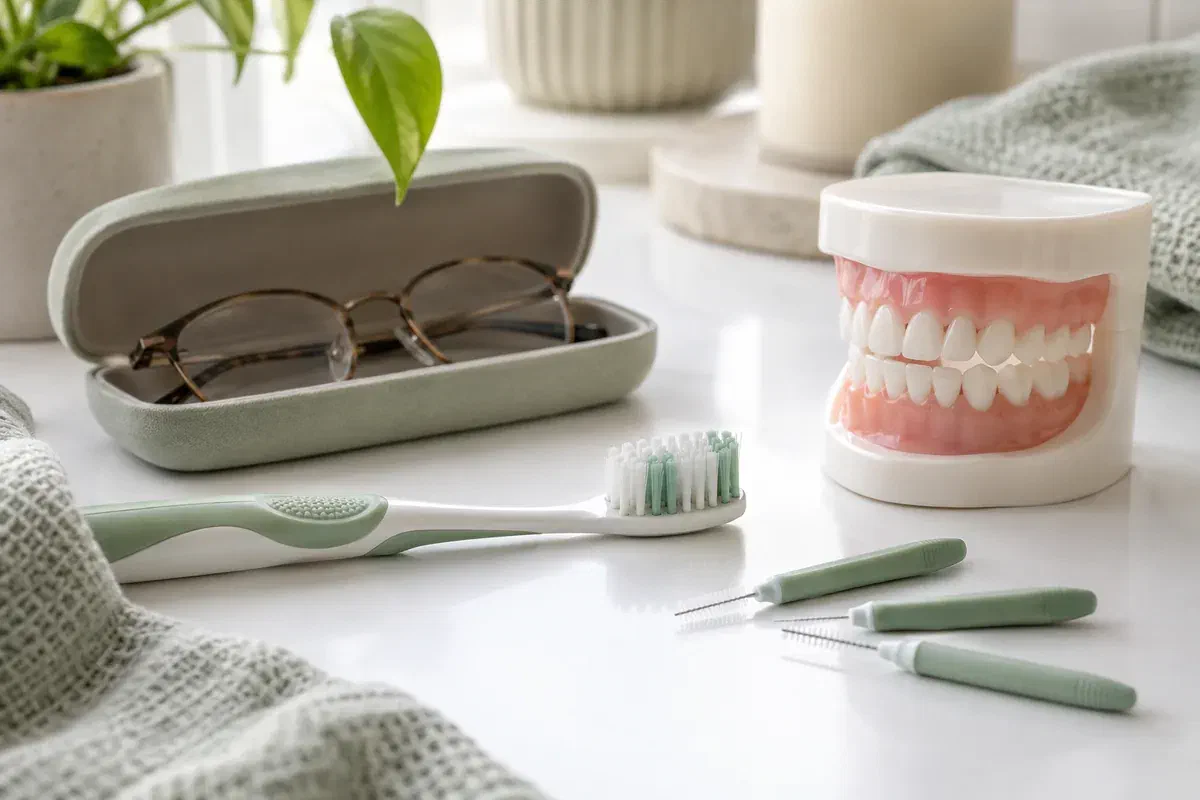
Easy-grip toothbrush, interdental brushes, dental model, and reading glasses
Changes not to brush aside

When the mouth sends a signal

Pain is not the only reason to book. A change you can see or feel, a habit that has crept in to avoid discomfort, or a routine that has grown harder are all worth raising.

Problems around older restorations

A filling or crown with a rough edge can irritate the tongue or cheek over time and may be a source of a persistent sore spot. Mention any sharp area, food trapping or bite change. The dentist assesses the tooth and nearby tissues before advising.

Dryness, burning or an unfamiliar patch

Persistent dryness can leave tissues more easily irritated, and it often links to medicines or health conditions rather than age. A burning sensation, a white or red area, or tissue that has changed in texture should be examined instead of treated with untested remedies.

A denture that rubs or a routine that slips

Repeated rubbing from an ill-fitting appliance can cause sores, and a cleaning routine that has become difficult may let irritation build. Describe when the soreness appears so the denture and the gums under it can be reviewed together.

Please do not wait for a routine recall if you notice a sore that has not healed, a new lump, unexplained bleeding, or a new difficulty with chewing or swallowing. Call so an appropriate assessment can be arranged promptly.

Why a prompt look helps

Peace of mind, or an early start

Most of the time, an examination brings reassurance: the sore is from a rough filling or a denture edge, and a simple adjustment helps it heal. Sometimes the dentist recommends further assessment. Either way, you gain a clear explanation and a plan tied to what was found, along with what you want from your care.

Beyond the immediate concern, ask about the wider picture. How many visits would any treatment take, what would recovery involve, what are the costs, and would you need someone to help? Care can be staged where appropriate. You should be able to compare options without anyone assuming that people your age share the same priorities.

Knowing the cause of irritation

If a restoration is contributing to a sore, the dentist can explain whether smoothing, repair or replacement is reasonable. Restorations that are sound and comfortable are not replaced just for being old.

Cleaning that is gentle on tender areas

The team can suggest softer brushes, suitable interdental aids and ways to clean around a sore spot without aggravating it. A helper at home can be shown the technique if you would like their assistance.

Follow-up that suits you

If an area needs to be rechecked, you will know when and why. Should your health or circumstances change, tell us, and the plan can be revisited and explained again.

What the examination involves

A careful look, then a clear explanation

Bring an up-to-date list of medicines, recent health news and any denture you wear. It helps to note when the sore or change first appeared and whether it has altered since.

  1. Describe the change and your health

    We ask when you first noticed the problem, how it feels and whether anything makes it better or worse. Your medical history and medicines are reviewed too. Mention any hearing, vision, seating or communication support that would help.

  2. Examine soft tissues, teeth and appliances

    The dentist looks at the lips, cheeks, tongue, floor and roof of the mouth, gums and natural teeth, and checks how any denture fits. Imaging may be recommended when it would help answer a specific question.

  3. Explain findings and choices

    You will hear what was seen and what it may mean. If treatment, a recheck or referral to a specialist or your physician is advised, the reasons, benefits, costs and next steps are explained clearly.

  4. Arrange follow-up

    Confirm any treatment, home-care steps and when the area should be reviewed. Written notes can be provided. With your consent, a support person may help with practical plans, while you stay involved in decisions.

Caring for tender tissues

Gentle routines while things settle

Home care should suit whatever is in your mouth, from natural teeth to crowns and a denture, and be kind to any sensitive area. Being shown the right approach in person is safer than trying several products in the hope one helps.

Brush gently but thoroughly

Use fluoride toothpaste on natural teeth and a soft brush around tender spots. Clean between teeth with an aid that suits you. If gripping is difficult, a thicker handle can make the job easier; bring your brush along so we can see how it sits in your hand.

Rest the gums under a denture

If a denture has caused a sore, follow the dentist’s advice about wearing it while the area heals. Clean the appliance and your gums carefully, and report rubbing instead of using adhesive to cushion it.

Mention dryness and new prescriptions

A dry mouth can make tissues sore more easily. Note when it began and whether it followed a new medicine. Ways to ease dryness can be discussed. Never stop a prescription yourself, and mention any fluid limits.

Patient information: NIDCR — understanding persistent dry mouth · NIDCR — oral health resources for older adults

What might follow

Possible outcomes after an examination

Often a simple change resolves the problem. Sometimes monitoring, targeted treatment or work on an appliance is the better route. You can ask what each would achieve and what it would ask of you.

When the cause is minor

Reassurance and review

If the change looks harmless, the plan may simply be good cleaning, prevention and a recheck at a set time. You will know which signs would mean coming back sooner. Comfort is encouraging, but an examination remains the way to be sure.

When a tooth or filling is responsible

Treating the source

Smoothing a sharp edge, repairing a restoration or treating a gum problem may let tissue heal. Ask about conservative options, how long they last and follow-up. The recommendation should be based on findings and health rather than age.

When an appliance is causing irritation

Adjusting or replacing a denture

Easing a pressure point, relining or replacing the appliance, or exploring other options may be discussed. Suitability reflects your mouth, health, wishes and upkeep. Tell us how you would like to eat and speak so choices stay practical.

Questions about sores and changes

When to worry, and when to wait

Ask about what was found, the reasons for any recommendation and how follow-up will work. Jotting down what you hear, or having someone beside you, makes the details easier to keep.

(905) 876-4488
How long should a mouth sore take to heal?
Many minor sores settle within a week or two. One that persists beyond that, keeps returning in the same spot, or grows should be examined. Call if you are unsure rather than waiting for your next routine visit.
Does a routine dental exam include checking the soft tissues?
Yes. A thorough examination includes looking at the lips, cheeks, tongue, gums and other tissues, not just the teeth. If you have noticed a specific area, point it out so it receives close attention.
Should I stop wearing my denture if it has caused a sore?
Ask the dentist before deciding. Sometimes leaving it out for a while helps healing, and sometimes a quick adjustment allows you to keep wearing it. Bring the appliance so the cause can be found and fixed.
Why does my tongue feel like it is burning?
A burning feeling can have several possible causes, including dryness, irritation, certain medical conditions or medicines. An examination and review of your health can help narrow it down, and your physician may need to be involved.
Will I be referred if something looks unusual?
If the dentist believes another opinion or test would help, you will be told why and what to expect. Referral is a way of getting a clearer answer, and the team can help you understand the next steps.
What if a sore gets worse before I can get in from Puslinch?
Phone us and describe the change. We can advise whether to come in sooner or seek care closer to home. If swelling affects breathing or swallowing, get emergency medical help immediately.
Dental care for older adults from Puslinch

Get that lingering spot looked at

Give our Bronte Street practice a call to describe the change and when it began. We will examine the area along with your teeth, gums and any denture, explain what we find in plain language, and talk through sensible next steps.

If getting into the chair, hearing clearly or reading small print is a challenge, say so on the phone and we will plan around it.

Visit Milton Dental Clinic
Unit 1, 342 Bronte St. S, Milton, ON L9T 5B7
Get directions Clinic hours
Monday–Thursday
11am–7pm
Friday–Sunday
By appointment only

Areas we serve

  • Milton
  • Oakville
  • Mississauga
  • Georgetown
  • Halton Hills
  • Acton
  • Campbellville
  • Brampton
  • Burlington
  • Puslinch
  • Rockwood
  • Erin
  • Caledon
  • Etobicoke
  • Old Milton
  • Bronte Meadows
  • Timberlea
  • Dorset Park
  • Dempsey
  • Clarke
  • Beaty
  • Coates
  • Harrison
  • Scott
  • Willmott
  • Ford
  • Bowes
  • Cobden
  • Walker
  • Mountain View
  • Milton Heights
  • Hawthorne Village
  • Valley View
  • Fallingbrook
  • Nassagaweya
  • Trafalgar
  • Esquesing
  • Nelson
  • Brookville
  • Moffat
  • Glen Williams
  • Norval
  • Limehouse
  • Stewarttown
  • Ashgrove
  • Hornby
  • Silver Creek
  • Speyside
  • Scotch Block
  • North Oakville
  • River Oaks
  • Glen Abbey
  • West Oak Trails
  • Palermo
  • Bronte Creek
  • College Park
  • Joshua Creek
  • Uptown Core
  • Preserve
  • Iroquois Ridge
  • Lisgar
  • Meadowvale
  • Meadowvale Village
  • Churchill Meadows
  • Erin Mills
  • Central Erin Mills
  • Streetsville
  • East Credit
  • Creditview
  • Heartland
  • Sheridan
  • Mount Pleasant
  • Credit Valley
  • Huttonville
  • Churchville
  • Springbrook
  • Northwest Brampton
  • Bram West
  • Fletcher's Meadow
  • Fletcher's Creek South
  • Alton Village
  • Orchard
  • Millcroft
  • Headon Forest
  • Tansley
  • Brant Hills
  • Tyandaga
  • Kilbride
  • Lowville
  • Aberfoyle
  • Morriston
  • Arkell
  • Hillsburgh
  • Freelton
  • Carlisle
  • Waterdown
  • Flamborough
  • Mountsberg

How can we help?

Milton Dental Clinic

Have a question about your smile? Choose the option that works best for you.

For urgent dental concerns, please call.
Messages are reviewed during clinic hours.