

Illustrative consultation reviewing health information before dental care
General & Family Dentistry

Dental Care for Patients Taking Multiple Medications in Campbellville

Waking up with a parched mouth night after night is worth more than a bedside glass of water. For households in Campbellville, our team reviews your medicines, examines the cause, and plans visits that fit around rural life.

Night-time dryness and daily medicines, Campbellville

Three in the morning, tongue stuck, glass empty

Plenty of people put up with a dry mouth at night for months before mentioning it. They keep water on the nightstand, wake to sip, and assume it is just age or the furnace. Sometimes medicines are part of the reason, sometimes not. Finding out starts with a complete list, including the sleep aid used on bad nights and the evening pain reliever.

We look at the person, not just the prescription count. The dentist asks what you take, its purpose where you know it, recent changes, and whether any dental work is planned. You do not have to decide in advance which medicine might explain the dryness; working that through is part of the appointment.

Daytime clues help as well: sore patches, food tasting different, bleeding gums, or a denture that is harder to wear by evening. Each could stem from several causes and deserves a proper examination. If a pharmacist or prescriber needs to answer something, we keep it narrow and clear. Until then, take everything as prescribed rather than skipping a dose to test the theory.

Ask about night-time dryness
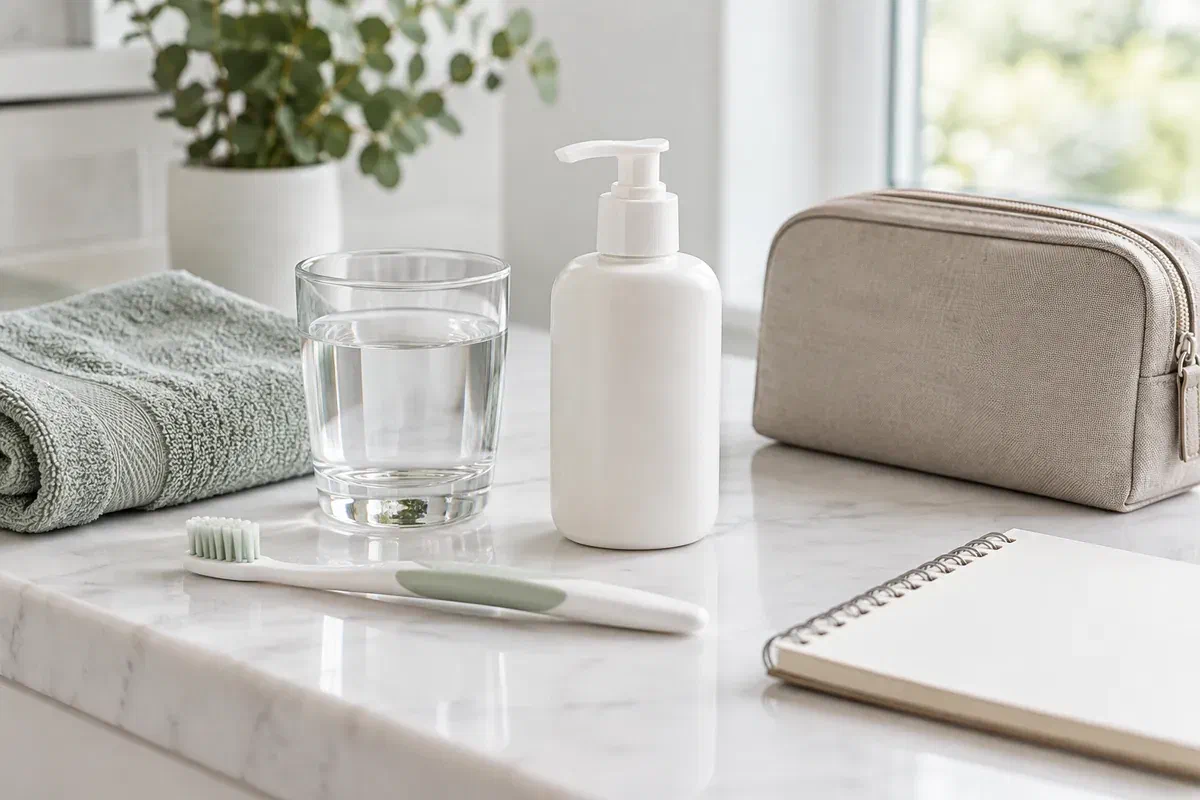
Water, toothbrush, plain oral moisturizing bottle, and notebook on a light counter
Clues from day and night

What your mornings can tell the dentist

Describe what you take today, including products reserved for some nights or bad days. Mention recent additions and changes, and when the dryness or other mouth symptoms began.

Dryness that wakes you

Waking thirsty, a tongue that feels rough first thing, or needing water before you can speak clearly are all worth describing. Medicines can contribute, as can breathing through the mouth and other factors. Tell us whether it also happens during the day.

Prescriptions altered in the past few months

A dose adjusted at a specialist visit or a medicine started in hospital may not be on your older list. Bring current details and note anything uncertain. Medicines given by injection or infusion on a schedule belong in the history too.

A dental product added to the evening routine

If the dentist suggests a pain reliever, antibiotic or rinse, ask how it fits with your night-time medicines. Mention earlier reactions and anything a pharmacist has told you. Having used something before does not prove it suits your present combination.

Write in the melatonin or sleep aid, the evening painkiller, vitamins, herbal teas or capsules, inhalers and anything else used only now and then. Identify each medicine by name; pill colour can mislead.

What a full review offers

An explanation, not just a remedy

Medicines may affect saliva, tissue comfort, bleeding and how other drugs should be chosen, depending on the particular combination and your health. Once the whole history is known, the dentist can work out whether night-time dryness needs further investigation, whether a prescription is worth reviewing, or whether a physician should be involved before treatment.

It also saves you from relaying details between clinics. Ask the team what they need and who should answer each question. A pharmacy printout, your prescribers’ contact details and a short note of what changed recently will shorten the process.

Patient information: American Dental Association — medication considerations in dental care

Current records

Checking today’s medicines separates the ones you still use from stopped prescriptions sitting in your chart. Mention any medicine ended by a doctor, or one you take on a different schedule than printed.

Dryness assessed properly

Dryness that began after a new medicine is a useful clue, but timing does not prove the medicine is to blame. The examination may find a dental or tissue issue that needs separate care. Ask what was found and which questions remain.

Fewer, well-planned visits

Prevention, comfort measures and review appointments can be organised so that trips are grouped where sensible. By the end, the routine for the bathroom sink, the warning signs and the moment to bring in a pharmacist or doctor should all be clear.

Inside the appointment

How the dentist pieces it together

Start with a recent pharmacy printout or another dependable record, then add what is missing. Bring allergies, previous reactions and the names and numbers of your prescribers.

  1. Confirm your evening and daytime medicines

    We check names, doses, timing and recent changes, paying attention to what you take at night. Mention occasional products and anything you are unsure of. Uncertain entries are marked for confirmation, not treated as fact.

  2. Examine the mouth

    The dentist looks at the tissues, teeth and gums and considers your medicines alongside what is found. Dryness, sores and gum changes can each call for something different. Tell us whether sleep, meals, speech or an appliance is affected.

  3. Review any treatment plan

    Before a procedure or dental prescription, the dentist considers interactions and your medical situation. A prescriber or pharmacist may need to weigh in first. You can ask whether things are ready or whether something still has to be answered.

  4. Plan the follow-up

    We agree on home care, comfort steps and a review, coordinating with other household appointments if that helps. If your medicines change, tell us before the next procedure. Written instructions keep a dental prescription separate from your usual ones.

Comfort after dark

Small changes for better nights, within your medical plan

Home care should reflect the examination and the health advice you already follow. If something we recommend conflicts with another clinician’s instructions, let us know.

Easing dryness overnight

Ask about moisturizing products suitable for night use and extra cavity protection if dryness continues. Water at the bedside helps some people, but a doctor’s fluid restriction still applies. Pick products for comfort, swallowing and the examination findings, not advertising.

A thorough clean before bed

Make the last brush of the day count, using fluoride toothpaste and floss or small brushes between teeth. If soreness or gum changes make that hard, ask about a different technique or tool. A harsh rinse is not a substitute for finding the source of irritation.

One list on the kitchen counter

Keep a single, current record and update it when a prescriber makes changes. Note why any short course was given and when it ended. A pharmacist can confirm whether a new dental product belongs alongside your bedtime medicines.

Patient information: NIDCR — dry mouth causes and care

Possible next steps

Relief, treatment or a question for your prescriber

Several medicines on a list do not mean one particular dental treatment. The route forward comes from what you notice, what the dentist sees, and whether one more fact must be confirmed first.

When managing dryness and protecting teeth is the goal

Prevention and comfort

Expect practical advice on night-time dryness, cleaning and a sensible review interval. Ask how to judge whether a measure is working and when a lasting symptom should be reported. The plan can change as your medical treatment does.

When we find decay, damage or gum disease

Care for a dental problem

Decay, a worn filling or a gum condition may need treatment even if medicines contribute to dryness. You will hear the diagnosis and the options. A prescription change by itself would not mend damage already done.

When a medicine question needs answering

Advice from your prescriber or pharmacist

We may ask about a possible interaction, an oral effect or a precaution for treatment. Any change to your existing medicines is for the prescribing clinician to decide. Ask who will let you know the outcome and how it affects your plan.

Questions from Campbellville

Plain answers for restless, thirsty nights

No question about a bedside product, a symptom or mixed messages from different clinicians is too small. Working out interactions is the team’s task; yours is simply to tell us what you take.

(905) 876-4488
Why is my mouth driest when I wake up?
Saliva flow naturally slows during sleep, and breathing through the mouth, some medicines and certain health conditions can make morning dryness worse. The dentist will examine your mouth and ask about your routine to help work out what is contributing.
Could snoring or mouth breathing be the real cause?
It can play a part. Mention snoring or a blocked nose along with your medicine list. The dentist can check your mouth and suggest whether you should also speak to your doctor.
Is it all right to suck candies at night to keep my mouth moist?
Sugary sweets can increase the risk of decay, especially when saliva is low. If you use something to stimulate saliva, ask the dentist about sugar-free options and other comfort measures suited to you.
Does a bedroom humidifier help with dry mouth?
Some people find a humidifier makes night-time dryness more comfortable. It does not replace an assessment of the cause. Ask the dentist which comfort measures make sense for your situation.
Can several people in my household book on the same trip?
Ask when you call. The team can often help arrange appointments close together so a single trip covers more than one person. Mention that one visit involves a medication review so enough time is set aside.
Should I take my night-time medicines earlier to avoid dryness?
No, not without advice from the prescriber. Changing the timing of a medicine can affect how it works. Tell the dentist about the dryness and ask your prescriber or pharmacist whether any adjustment is appropriate.
Campbellville appointments

Sleep better by finding out why your mouth is dry.

One call to our Bronte Street office sets up an assessment, and the team will mention what paperwork helps. Restless nights with a dry mouth, a tender patch or treatment that is coming up all justify a visit. Once the dentist sees every medicine, the plan can sit comfortably beside the rest of your care.

Bring your current medication list, including sleep products, and mention recent changes. Call the clinic directly about urgent symptoms.

Visit Milton Dental Clinic
Unit 1, 342 Bronte St. S, Milton, ON L9T 5B7
Get directions Clinic hours
Monday–Thursday
11am–7pm
Friday–Sunday
By appointment only

Areas we serve

  • Milton
  • Oakville
  • Mississauga
  • Georgetown
  • Halton Hills
  • Acton
  • Campbellville
  • Brampton
  • Burlington
  • Puslinch
  • Rockwood
  • Erin
  • Caledon
  • Etobicoke
  • Old Milton
  • Bronte Meadows
  • Timberlea
  • Dorset Park
  • Dempsey
  • Clarke
  • Beaty
  • Coates
  • Harrison
  • Scott
  • Willmott
  • Ford
  • Bowes
  • Cobden
  • Walker
  • Mountain View
  • Milton Heights
  • Hawthorne Village
  • Valley View
  • Fallingbrook
  • Nassagaweya
  • Trafalgar
  • Esquesing
  • Nelson
  • Brookville
  • Moffat
  • Glen Williams
  • Norval
  • Limehouse
  • Stewarttown
  • Ashgrove
  • Hornby
  • Silver Creek
  • Speyside
  • Scotch Block
  • North Oakville
  • River Oaks
  • Glen Abbey
  • West Oak Trails
  • Palermo
  • Bronte Creek
  • College Park
  • Joshua Creek
  • Uptown Core
  • Preserve
  • Iroquois Ridge
  • Lisgar
  • Meadowvale
  • Meadowvale Village
  • Churchill Meadows
  • Erin Mills
  • Central Erin Mills
  • Streetsville
  • East Credit
  • Creditview
  • Heartland
  • Sheridan
  • Mount Pleasant
  • Credit Valley
  • Huttonville
  • Churchville
  • Springbrook
  • Northwest Brampton
  • Bram West
  • Fletcher's Meadow
  • Fletcher's Creek South
  • Alton Village
  • Orchard
  • Millcroft
  • Headon Forest
  • Tansley
  • Brant Hills
  • Tyandaga
  • Kilbride
  • Lowville
  • Aberfoyle
  • Morriston
  • Arkell
  • Hillsburgh
  • Freelton
  • Carlisle
  • Waterdown
  • Flamborough
  • Mountsberg

How can we help?

Milton Dental Clinic

Have a question about your smile? Choose the option that works best for you.

For urgent dental concerns, please call.
Messages are reviewed during clinic hours.