

Illustrative consultation reviewing health information before dental care
General & Family Dentistry

Dental Care for Patients Taking Multiple Medications in Halton Hills

A denture that rubs, a mouth that feels dry by mid-afternoon, a list of medicines that keeps growing. For households across Halton Hills, our team looks at all three together and plans care that suits the rest of your health.

Dentures, dryness and daily medicines in Halton Hills

When the denture stops feeling right

A plate that sat comfortably for years can start to slip or rub, and many people blame the denture first. Sometimes the fit has changed. Sometimes the mouth has become drier, and saliva that once helped the denture stay put is not there in the same way. Several medicines can be part of that picture, so the full list belongs at your appointment.

We do not simply count prescriptions. The dentist wants to know what you take and why, what has changed, and whether an appliance, a filling or other care is being considered. Linking a sore spot or dry mouth to a particular medicine is something to explore together, which means you can come in without a firm answer of your own.

Besides the denture, mention any tender areas, odd tastes, bleeding or trouble cleaning the teeth you still have. Each of these can come from more than one source and should be looked at. If your pharmacist or doctor needs to be asked something, it will be a clear, specific question. Meanwhile, keep every medicine going as directed; a self-imposed break can cause problems of its own.

Book a denture and medication check
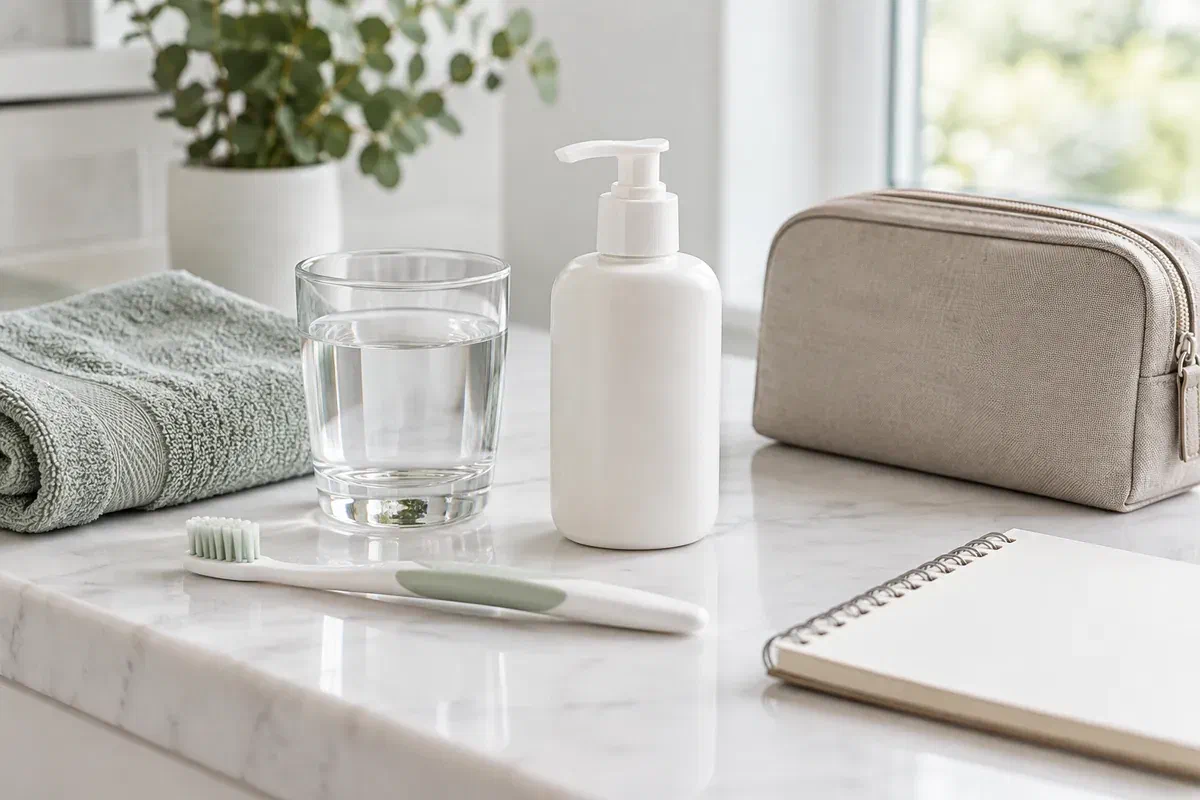
Water, toothbrush, plain oral moisturizing bottle, and notebook on a light counter
Signs worth raising

Notice how your mouth feels around an appliance.

List what you take now, including anything you use only on some days. Tell us about recent changes and whether the denture or your mouth started to feel different around the same time.

Dryness under a denture

Sore patches, a denture that will not stay seated, or needing water to manage a meal can all point to a drier mouth. Medicines are one possible contributor, not a certain one. Say whether the dryness lasts all day, is worse overnight, or followed a specific change.

Treatment changed by someone else

If a hospital, specialist or walk-in clinic added or altered a medicine, an older list will miss it. Bring the latest version and mark what you are unsure of. Remember medicines given by injection or infusion at intervals, not only daily ones.

Mouth products and dental prescriptions

Before using a new denture product, rinse, pain reliever or antibiotic, ask how it fits with what you already take. Mention reactions you have had and your pharmacist’s advice. Being familiar with a product is not the same as knowing it suits your current mix.

Include non-prescription pain relief, sleep aids, herbal products, vitamins, inhalers and anything taken as needed. A tablet’s colour or size is not a dependable way to identify it.

Seeing the connections

Fit, comfort and medicines, considered together

What you take can influence how moist your mouth is, how the gums and lining tolerate an appliance, bleeding, and which dental medicines are appropriate. The particulars depend on your combination and health. A careful history helps the dentist tell whether a problem needs closer investigation, a prescription merits review, or a doctor should be consulted before treatment.

Looking at everything in one visit also keeps you from passing messages between your doctor, pharmacist and dentist. Ask what details are needed and who is the right person to answer. A pharmacy printout, prescriber contact details and a short note on recent changes help a lot.

Patient information: American Dental Association — medication considerations in dental care

Records that match your routine

Going through current medicines removes old prescriptions that still linger in charts. Tell us if one has been stopped by a prescriber or if you take something differently from what the label says.

A clear look at sore spots

A sore area that appeared after a new medicine is worth noting, though timing alone proves nothing. The examination may show a fit problem, a tooth issue or a tissue change that needs its own care. Ask what was found and what remains uncertain.

A routine you can keep up

Denture care, prevention for remaining teeth and review visits can be matched to your current needs. You should go home sure of how to clean the appliance and your teeth, what kind of change deserves a phone call, and where a pharmacist or physician fits in.

What the appointment covers

List, tissues, fit and follow-up

A recent pharmacy printout or another reliable record makes the best start. Add whatever it misses, plus allergies, previous reactions and contact details for the clinicians who prescribe for you. Bring the denture, too.

  1. Confirm today’s medicines

    We check names, doses, schedules and recent changes where they matter. Describe occasional use and anything you are unsure about. Items that cannot be confirmed are noted for checking rather than treated as reliable.

  2. Examine the mouth and the appliance

    The dentist looks at the tissues under and around the denture, any natural teeth and the symptoms you describe, considering your medicines alongside the findings. A dry ridge, a pressure sore and inflamed gums are handled differently. Let us know how eating, speaking or sleep is affected.

  3. Weigh treatment options

    If an adjustment, repair, procedure or dental prescription is considered, the dentist thinks through interactions and medical factors. Occasionally that means checking with a pharmacist or prescriber before anything is booked, and you are welcome to ask whether the plan is ready or still waiting on an answer.

  4. Set up home care and a review

    We confirm denture cleaning, comfort measures and when to return. If another clinician changes a medicine, let us know before the next procedure. Written instructions help separate a short dental prescription from your everyday medicines.

Everyday comfort

Care for the denture, the gums and the teeth you have.

Home care should follow the examination and fit with any health advice you have already been given. Tell us if a product or habit we suggest seems to conflict with it.

Ease dryness that affects the fit

Ask whether a moisturizing product might help comfort, and how to protect any remaining teeth from decay. Regular sips of water can be soothing, provided your doctor has not limited your fluids. Choose products for comfort, swallowing and the examination findings rather than packaging.

Clean gently, including the appliance

Brush natural teeth with fluoride toothpaste, clean between them, and care for the denture as instructed. If soreness or gum changes make this hard, ask for help with technique or tools. A strong rinse does not explain or solve ongoing irritation.

Keep the list current

Each time a doctor or specialist alters something, add it to your record and keep a copy with your denture case for appointments. Write down the reason for any short course and whether it has finished. If you are unsure how a dental medicine fits with your usual ones, your pharmacist can advise.

Patient information: NIDCR — dry mouth causes and care

Where the visit can lead

Adjust, treat or check in with a prescriber.

Taking several medicines does not point to one particular dental treatment. The dentist chooses a direction from what you report, what the tissues and appliance show, and whether any detail must be confirmed first.

When easing dryness and protecting the mouth is the aim

Prevention and comfort care

Expect tailored advice on cleaning and dryness, possibly a denture adjustment, and a sensible review interval. Ask how to tell whether something is helping and when a lasting symptom is worth reporting. The plan can be revised as your medicines change.

When we find decay, damage or a fit problem

Treatment for a separate dental problem

Decay in remaining teeth, a cracked filling, gum disease or a poorly fitting denture may need treatment even if medicines add to discomfort. You will hear the diagnosis and options. A change of prescription would not repair a problem that is already there.

When a medicine question needs a clear answer

Prescriber or pharmacist input

We may ask about an interaction, an oral effect or something relevant to a procedure. Any change to your existing medicines is for the clinician who prescribes them. Ask how the answer will reach you and what it means for your care.

Questions from around Halton Hills

What wearers of plates and partials often ask

Ask about products, symptoms or instructions that seem to conflict. You do not have to spot interactions yourself; accurate information is what lets the team help.

(905) 876-4488
Can medicines make my denture feel loose?
A drier mouth can make a denture feel less secure, and some medicines may contribute to dryness. Changes in the gums and bone, or wear on the denture, can also affect fit. The dentist will check the tissues and the appliance before suggesting what to do.
Is it safe to use a denture adhesive or soaking product with my medicines?
Mention any denture products you use when your history is taken. The dentist can advise on suitable products for your mouth. If you have a question about a specific ingredient and your medicines, your pharmacist can also help.
Should I take my denture out at night if my mouth is dry?
Many people are advised to remove dentures overnight, but follow the specific advice you have been given for your appliance. Tell the dentist about night-time dryness so the tissues can be checked and suitable comfort measures discussed.
I wear a partial denture. Do my natural teeth need extra care?
Often, yes. The teeth that support a partial denture need thorough cleaning, and dryness can make decay more likely for some people. Ask the dentist about fluoride and cleaning around the clasps.
Do I need to list medicines I stopped recently?
Yes, especially if they were stopped in the last few months. Tell us when and why, if you know. That helps the dentist understand the timing of any mouth changes and keeps your record accurate.
Can someone from Georgetown or Acton bring a relative to help explain their medicines?
Yes. A family member who helps with your medicines can add useful details. Let the clinic know when booking, and bring any lists or packaging they keep.
Medication-aware care for Halton Hills

Bring the denture, the list and your questions.

Our Bronte Street office can book an assessment and explain what to bring. From anywhere in Halton Hills, a sore denture, a dry mouth or a planned procedure is reason enough to come in, and a full history lets us plan with your wider health in mind.

Bring your current medication list and mention recent changes. If symptoms are urgent, phone the clinic rather than sending an online request.

Visit Milton Dental Clinic
Unit 1, 342 Bronte St. S, Milton, ON L9T 5B7
Get directions Clinic hours
Monday–Thursday
11am–7pm
Friday–Sunday
By appointment only

Areas we serve

  • Milton
  • Oakville
  • Mississauga
  • Georgetown
  • Halton Hills
  • Acton
  • Campbellville
  • Brampton
  • Burlington
  • Puslinch
  • Rockwood
  • Erin
  • Caledon
  • Etobicoke
  • Old Milton
  • Bronte Meadows
  • Timberlea
  • Dorset Park
  • Dempsey
  • Clarke
  • Beaty
  • Coates
  • Harrison
  • Scott
  • Willmott
  • Ford
  • Bowes
  • Cobden
  • Walker
  • Mountain View
  • Milton Heights
  • Hawthorne Village
  • Valley View
  • Fallingbrook
  • Nassagaweya
  • Trafalgar
  • Esquesing
  • Nelson
  • Brookville
  • Moffat
  • Glen Williams
  • Norval
  • Limehouse
  • Stewarttown
  • Ashgrove
  • Hornby
  • Silver Creek
  • Speyside
  • Scotch Block
  • North Oakville
  • River Oaks
  • Glen Abbey
  • West Oak Trails
  • Palermo
  • Bronte Creek
  • College Park
  • Joshua Creek
  • Uptown Core
  • Preserve
  • Iroquois Ridge
  • Lisgar
  • Meadowvale
  • Meadowvale Village
  • Churchill Meadows
  • Erin Mills
  • Central Erin Mills
  • Streetsville
  • East Credit
  • Creditview
  • Heartland
  • Sheridan
  • Mount Pleasant
  • Credit Valley
  • Huttonville
  • Churchville
  • Springbrook
  • Northwest Brampton
  • Bram West
  • Fletcher's Meadow
  • Fletcher's Creek South
  • Alton Village
  • Orchard
  • Millcroft
  • Headon Forest
  • Tansley
  • Brant Hills
  • Tyandaga
  • Kilbride
  • Lowville
  • Aberfoyle
  • Morriston
  • Arkell
  • Hillsburgh
  • Freelton
  • Carlisle
  • Waterdown
  • Flamborough
  • Mountsberg

How can we help?

Milton Dental Clinic

Have a question about your smile? Choose the option that works best for you.

For urgent dental concerns, please call.
Messages are reviewed during clinic hours.