The way in
Find out what the path from arrival to the treatment area is like and whether its clearances work for you. Scooter and wheelchair users might share size or turning needs. Have this settled before you arrange transportation.


Energy is a resource you spend on every part of a dental visit, from getting ready to getting home. Tell us how your stamina, positioning and mobility work, and we can plan a visit that doesn’t use up the whole day.
Some people manage a dental checkup without much trouble on a good morning and barely at all by late afternoon. Conditions such as multiple sclerosis, chronic pain, heart or lung disease, or recovery from illness can make stamina the real limit. The examination itself may be brief, yet getting dressed, travelling up from Burlington, waiting and holding still can add up to an exhausting outing.
That is why the call before the visit matters. Tell us how mobility and fatigue affect you, which part of the day tends to go best, and what helps you through it: a break to shift position, a support person, a mobility aid, or simply knowing how long things will take. Mention what you can do yourself and where you need assistance. Your sense of your own limits is the most useful information we can have.
Then we can discuss whether the arrangements you need are possible for the appointment proposed and what still has to be checked. Please don’t count on a particular chair setup, transfer equipment, or care in your wheelchair until it is confirmed. If a different setting would be more suitable, we should explain how to move forward.
Fatigue and mobility rarely show up the same way in two people. Pinpointing which stage drains you helps the team plan around it rather than guess.
Find out what the path from arrival to the treatment area is like and whether its clearances work for you. Scooter and wheelchair users might share size or turning needs. Have this settled before you arrange transportation.
Let us know if you transfer on your own, use a certain aid, or need trained help. Describe any position that causes pain, spasm, light-headedness or breathlessness. Changing how you move just to keep the schedule on track is never a good trade.
Tiredness can build long before the dental work ends. Share your best time of day and whether regular pauses help you recover. Ask how long the appointment is expected to last and how much can sensibly be done in one visit.
Please confirm access, transfer and positioning requirements with the clinic itself. Photos and illustrations on this page do not establish that specific facilities, lifting equipment or treatment arrangements are available.
If the team understands your stamina and movement needs ahead of time, those needs can shape the appointment as much as the dental concern does. A few barriers may be resolved by choosing a better time or length. Others might need another setting or extra support. A frank conversation is worth more than assuming one format suits every procedure.
Your preferences carry through the whole process. Tell us how you want help to be offered, and whether you would like someone with you. Fatigue or limited movement has nothing to do with your ability to understand options and choose. Expect the team to speak to you and ask what help you want, rather than talking past you.
Raising access, transfer or timing questions before you set out gives everyone time to solve them. Make a note of the arrangements you agree on, and phone if your energy or mobility changes before the date.
A first exam can be quite different from a longer treatment session. Ask what each visit will cover and whether breaks or staging make sense. The point is a schedule you can actually manage, not one you have to grit your teeth through.
If weakness, reach or tiredness gets in the way of brushing, your visit can include easier tools and approaches. Describe which part of the routine wears you out. Suggestions work best when they fit what you can comfortably do at home.
Phone with your dental concern and the support you rely on. A family member or carer who helps coordinate appointments is welcome to assist, with your choices staying central.
Mention your mobility aid, transfer method, positioning limits, and any equipment or trained helper you usually require. Ask what the clinic can accommodate. Being given an appointment time does not, by itself, confirm a specific physical arrangement.
Tell us about diagnoses, medications, recent changes and why you want to be seen. Note pain, fatigue or symptoms that could affect positioning. The dentist can judge what assessment is needed and whether more medical information would be helpful.
Before any work begins, settle your position, a signal to stop, and what the visit will include. If you begin to tire or an arrangement feels wrong, say so. The team should adapt instead of insisting the first plan be completed.
Discuss aftercare, any help you may need at home, and when to come back. Confirm your ride if the procedure might leave you more tired than usual. Base the plan on the treatment actually provided, especially if it was different from what was expected.
A home routine needs to fit your stamina, grip and reach, as well as the help you want. Ask for a demonstration, and tell us if something seems like too much.
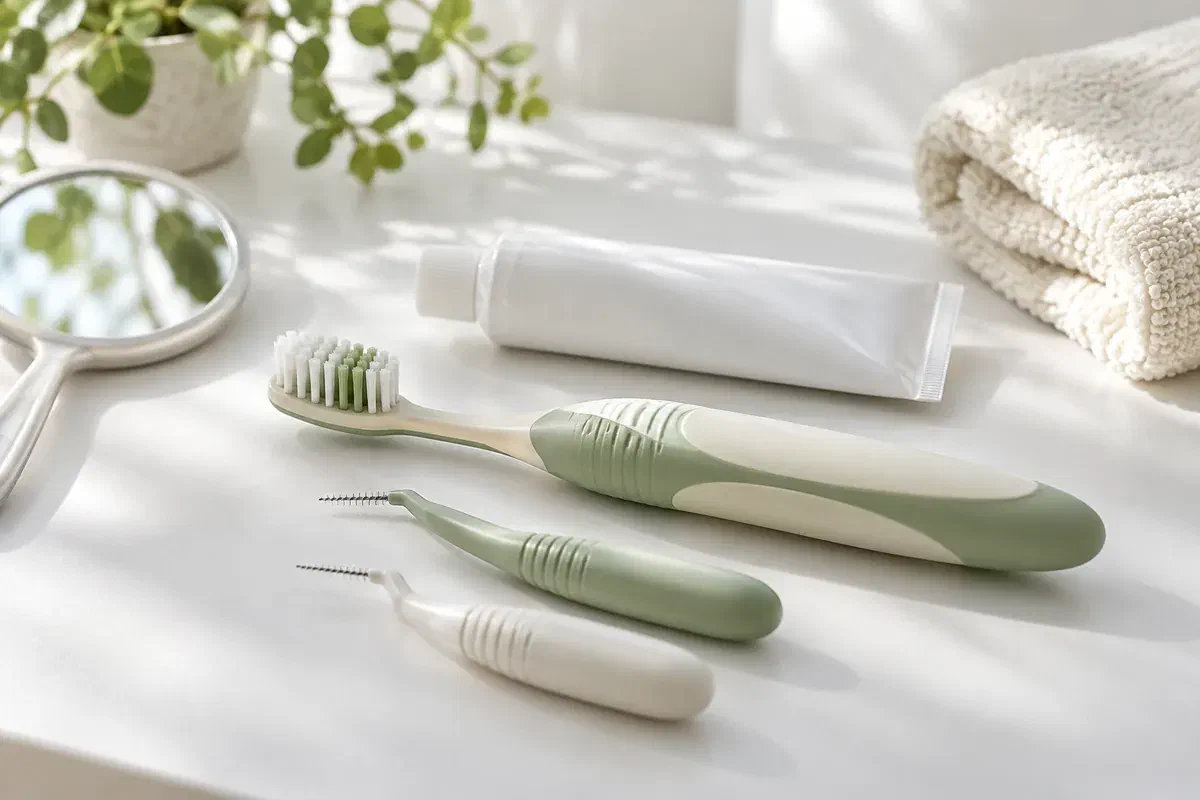
A powered brush, a built-up handle or a suitable interdental aid may be worth a conversation. The right choice depends on which areas need cleaning and what you can control easily. A higher price tag does not guarantee a solution to a particular movement problem.
Consider sitting down in a comfortable spot with everything you need within reach. If walking between rooms tires you, mention that when asking for advice. Any routine involving rinsing or a helper should also respect swallowing or medical instructions you already have.
On low-energy days, someone may help with part of your mouth care. Decide together which steps they take on and how you will show discomfort. A demonstration can make the routine clearer. Help should follow your wishes, not take over tasks you prefer to do yourself.
Knowing your diagnosis is not the same as knowing your needs. Describe what helps and ask for those arrangements to be confirmed before your visit.
Contact our Bronte Street clinic with your dental concern and the access, positioning, timing or support you need. We can talk through the proposed appointment and what still requires confirmation. What you know about your stamina helps us plan realistically.
Access and transfer arrangements must be confirmed with the clinic directly. Submitting an online request does not confirm particular equipment or facilities.
