

Illustrative patient-led dental conversation using a notebook for communication
General & Family Dentistry

Dental Care for Patients with Special Healthcare Needs in Milton

The first step is a conversation, not a booking slot. Tell our local team how this person communicates, what makes visits hard, and what support helps, and we will plan from there.

Before anything is booked

One phone call can shape the whole visit.

Many people in Milton pick up the phone expecting to choose a time and hang up. For someone with a disability, a medical condition, a communication difference or strong sensory reactions, that call is better spent another way. It is the moment to describe the person, the tooth or gum problem bothering them, and the kind of help that lets them take part.

Tell us, in plain words, what earlier dental visits were like. Which moments went smoothly? Which ones caused distress? How does this person let others know they are comfortable, hurting or ready for a break? A parent, partner or support worker can fill in useful history, and we will still speak with the patient directly.

From there, our Milton team can say whether a visit here looks suitable and what still needs thought. Sometimes the answer involves medical input, a specialist or a hospital-based clinic. A label on a chart does not decide that for us, and no two people get an identical plan. You leave the call knowing what happens next.

Start with a planning call
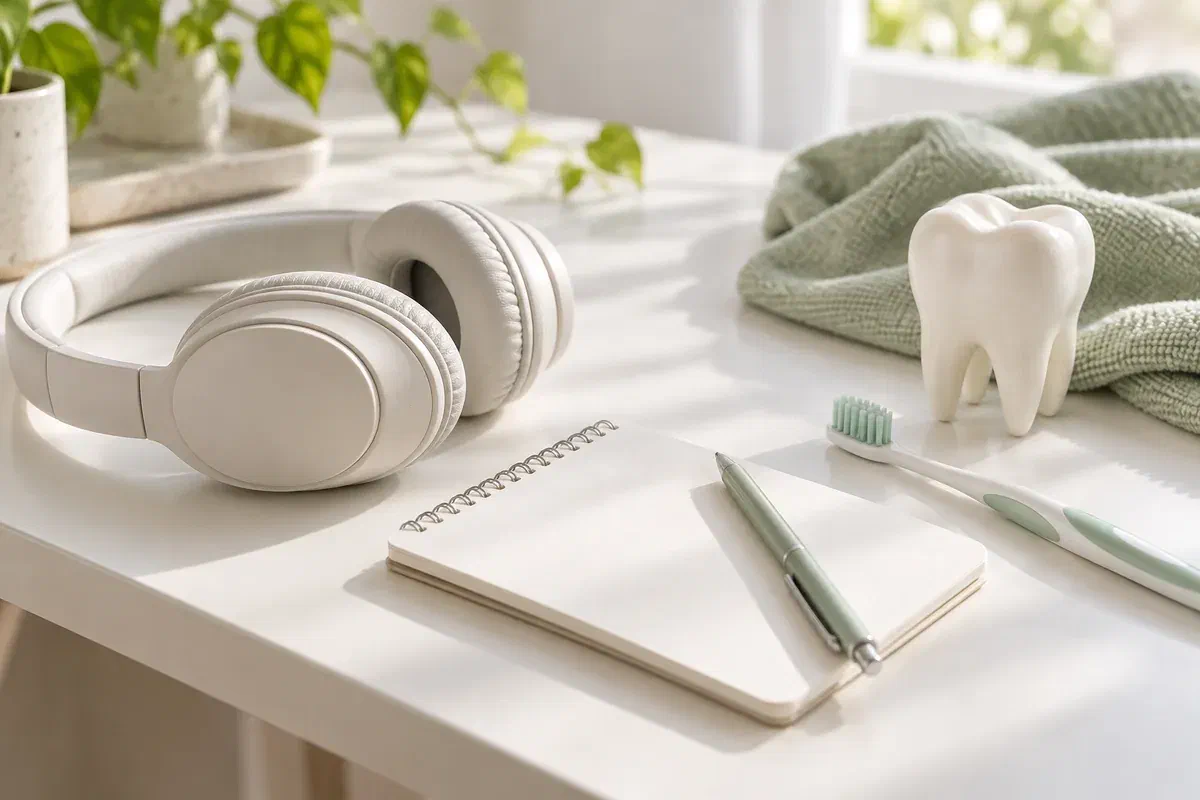
Headphones, notebook, toothbrush, and tooth model illustrating preparation for an individual dental visit
Useful things to mention

Practical details often matter more than a diagnosis.

Everyday descriptions help us most. A few lines about how this person communicates, what feels uncomfortable, the health facts that apply and the mouth problem itself will guide the plan.

How the person takes in and answers questions

Some people prefer speech, others written notes, pictures or a communication device. Let us know how long a reply usually takes and whether questions should be short. We aim to speak to the patient, not past them, and to leave room for their answers.

Sounds, sensations and surprises

Bright overhead lights, the hum of equipment, strong flavours or being touched without warning can all make a visit harder. Mention what tends to help, such as a countdown or a hand signal for stopping, so we can talk about what is realistic before the day.

Health, mobility and swallowing

Bring a current medication list, allergies and any written guidance from a doctor or therapist. Tell us about seizures, tremor or other movement, limits on lying back, and any trouble swallowing. The dentist uses this to judge whether the planned care is safe here.

When someone cannot say that a tooth hurts, the clues are often in behaviour: refusing to chew, waking at night, pulling away from the toothbrush. Report these changes promptly. They point to a need for assessment, though they cannot confirm a dental cause on their own.

What planning ahead changes

Fewer guesses on the day of the appointment.

Talking first lets us learn what helps this person feel ready and able to join in. It also gives the dentist time to review health details, decide how to explain each step and sort out practical arrangements. The visit then has a goal everyone can reach, instead of an unspoken hope that every task gets done at once.

Caregivers benefit as well. Settle ahead of time which papers to bring, who will come into the room and roughly what will happen. If the dentist suggests care somewhere else, ask what led to that advice and who will make the arrangements. A dental problem should always leave with a clear next step attached.

Patient information: NIDCR — individual needs and oral health care

A voice in the conversation

Questions can be reworded, slowed down or answered by pointing, writing or a device. Let us know how this person shows agreement, worry or refusal. Support should help them speak for themselves wherever possible, not quietly speak over them.

Fewer surprises

When each step is known in advance, getting ready is easier. Ask whether picture explanations, a short first visit or pre-agreed breaks make sense. These arrangements are confirmed in conversation, never assumed from a general web page.

Home care that fits real life

Brushing advice should respect sensory limits, hand strength and how much help is available at home. Tell us which part of the routine breaks down and what you have tried. One small change, shown in person, often beats a page of rules.

How the appointment unfolds

Four stages, each at a pace that works.

A first appointment may simply gather information and look at whatever can be checked comfortably. Treatment choices come later, guided by what we find, the person's health and a proper consent conversation.

  1. Collect the background

    We ask about the mouth problem, health history, current medicines and how past dental visits went. Tell us about communication preferences and any physical help needed. With consent, a note from a physician or therapist can answer a specific planning question.

  2. Explain and agree

    The dentist describes the proposed care in a way the patient can follow and confirms who gives consent. Having a diagnosis or communicating differently does not, by itself, mean someone cannot decide. If a substitute decision-maker is involved, that role is properly confirmed first.

  3. Examine without rushing

    Before starting, we agree on a signal for discomfort or a pause. The exam might include breaks, extra explanation or only part of the mouth. If our approach is not working, we change it. A hard visit teaches us something; distress is never brushed aside.

  4. Map out what follows

    We talk through what we saw, the realistic options and whether more visits, a doctor's input or a referral make sense. You will know who arranges the next step and what to do if a problem flares up in the meantime. A written summary can help everyone prepare.

Between visits

Daily mouth care that respects the person.

A home routine needs to work with comfort, communication and any existing swallowing or medical instructions. Ask our team to show you techniques in person rather than relying on trial and error.

Find the sticking point

Is the problem gripping the brush, the taste of toothpaste, reaching the back teeth or remembering the order of steps? Each one calls for a different fix. We can discuss adapted tools or a slower build-up without pretending one method suits everyone.

Help that does not become a struggle

Agree how the person shows they are willing, uneasy or done. If a caregiver brushes for them, ask for hands-on tips that match their abilities. Ongoing refusal or upset can be a sign of pain or another issue, which calls for a check-up rather than more insistence.

Keep notes and pass them on

Write down changes in appetite, sleep, facial comfort or tolerance for brushing, particularly if pain is hard to express. Share what you noticed and roughly when it started. Keeping health and medication details up to date helps us interpret new concerns.

Possible routes

The plan follows the person and the findings.

Which path suits depends on dental needs, medical factors, comfort and what can properly be offered here. Ask the dentist to explain why one route is suggested and what it will involve.

When a planned visit here fits

An adjusted clinic assessment

Care can start with an exam that uses the agreed communication methods, pacing and practical arrangements. A first visit can set priorities without promising that everything is finished. Decide together what would make the appointment worthwhile.

When gradual preparation could help

Shorter visits in steps

If clinically sensible, a plan may build familiarity over several visits or split treatment into stages. Ask how active problems will be handled along the way. Getting used to the clinic should never mean leaving urgent disease untreated.

When more clinical support is needed

Specialist or hospital care

Complex medical needs or demanding treatment may be better handled in another setting. Sedation or general anaesthesia, if raised, requires its own assessment, consent and suitable provider. Do not assume it is required, or that it is offered at our clinic.

Questions we hear in Milton

What families and patients often ask first.

Let us know what makes appointments easier or harder and what you would like to know beforehand. We aim for plans that are clear without promising every patient the same experience.

(905) 876-4488
What should I have ready when I phone to discuss special healthcare needs?
A short summary of the dental concern, the medication list, any allergies and a few notes on communication and comfort is plenty. Mention past dental experiences, good or bad. If a doctor has given written instructions, have them handy so you can read out the relevant parts.
Is it alright for a patient to bring a comfort object or headphones?
Often, yes, and it is worth raising ahead of time. Familiar items, music or noise-reducing headphones may help some people settle. The dentist will check that anything brought along does not get in the way of the exam or safety, and will confirm what works.
Who speaks for an adult patient who communicates without words?
The patient remains the starting point. Communication support can help them understand choices and show a preference. Whether someone else gives consent depends on the person’s capacity for the specific decision and on any legal arrangements, which the dentist confirms rather than assumes.
Will treatment happen at the first appointment?
Not always. The first visit may focus on health information, communication and a comfortable partial exam. We discuss the scope in advance. If something urgent is found, the dentist explains how it can be managed instead of postponing it indefinitely.
Can we stop partway through if it becomes too much?
Yes. We agree on a stop signal before starting and pay attention to it. Pausing or ending early is acceptable, and what we learn helps plan the next visit. If a pause is unsafe at a particular moment, the dentist explains this beforehand.
Does needing extra support mean sedation will be recommended?
No. Many people manage care with agreed adjustments. Others may need a specialist assessment. Sedation or general anaesthesia is a separate decision that depends on the person, the treatment and their health, and it requires an appropriate provider and setting.
Planning a visit in Milton

Tell us what helps, and we will take it from there.

Phone our Bronte Street practice to talk through the dental concern, the relevant health details and the support that makes care possible. We can explain what an assessment would involve and whether planning or a referral is needed. A careful first talk sets a workable direction.

Please speak with us about specific support or medical needs before you arrive. Submitting an online request does not confirm specialist facilities or any particular treatment approach.

Visit Milton Dental Clinic
Unit 1, 342 Bronte St. S, Milton, ON L9T 5B7
Get directions Clinic hours
Monday–Thursday
11am–7pm
Friday–Sunday
By appointment only

Areas we serve

  • Milton
  • Oakville
  • Mississauga
  • Georgetown
  • Halton Hills
  • Acton
  • Campbellville
  • Brampton
  • Burlington
  • Puslinch
  • Rockwood
  • Erin
  • Caledon
  • Etobicoke
  • Old Milton
  • Bronte Meadows
  • Timberlea
  • Dorset Park
  • Dempsey
  • Clarke
  • Beaty
  • Coates
  • Harrison
  • Scott
  • Willmott
  • Ford
  • Bowes
  • Cobden
  • Walker
  • Mountain View
  • Milton Heights
  • Hawthorne Village
  • Valley View
  • Fallingbrook
  • Nassagaweya
  • Trafalgar
  • Esquesing
  • Nelson
  • Brookville
  • Moffat
  • Glen Williams
  • Norval
  • Limehouse
  • Stewarttown
  • Ashgrove
  • Hornby
  • Silver Creek
  • Speyside
  • Scotch Block
  • North Oakville
  • River Oaks
  • Glen Abbey
  • West Oak Trails
  • Palermo
  • Bronte Creek
  • College Park
  • Joshua Creek
  • Uptown Core
  • Preserve
  • Iroquois Ridge
  • Lisgar
  • Meadowvale
  • Meadowvale Village
  • Churchill Meadows
  • Erin Mills
  • Central Erin Mills
  • Streetsville
  • East Credit
  • Creditview
  • Heartland
  • Sheridan
  • Mount Pleasant
  • Credit Valley
  • Huttonville
  • Churchville
  • Springbrook
  • Northwest Brampton
  • Bram West
  • Fletcher's Meadow
  • Fletcher's Creek South
  • Alton Village
  • Orchard
  • Millcroft
  • Headon Forest
  • Tansley
  • Brant Hills
  • Tyandaga
  • Kilbride
  • Lowville
  • Aberfoyle
  • Morriston
  • Arkell
  • Hillsburgh
  • Freelton
  • Carlisle
  • Waterdown
  • Flamborough
  • Mountsberg

How can we help?

Milton Dental Clinic

Have a question about your smile? Choose the option that works best for you.

For urgent dental concerns, please call.
Messages are reviewed during clinic hours.