

Illustrative conversation with a dental hygienist before an appointment
General & Family Dentistry

Dental Hygiene Appointments in Georgetown

Sensitive teeth or a cleaning you would rather forget can keep anyone away. If you are coming from Georgetown, we plan hygiene care around your comfort, with pauses, explanations and a pace you agree.

Comfort-first cleanings for Georgetown

Dread the scraping sound?

For some people, the hardest part of a cleaning is not the cleaning. It is the anticipation: the sharp twinge from a cold spray, the feeling of lying back with someone working in your mouth, the memory of a visit that went badly. Those reactions are common, and saying them out loud is the first step towards a better appointment.

Hygiene care still matters, even when it is uncomfortable to think about. Tartar that has hardened along the gumline cannot be brushed away, and gums that stay inflamed tend to get more sensitive, not less. A careful visit removes those deposits, checks the tissue and shows you how to keep things calmer at home.

Start by telling us what bothers you most. Is it cold water, the noise of the ultrasonic tool, a jaw that tires, or a fear of hearing bad news? Knowing that lets the team plan the pacing, explain each step before it happens and talk about comfort measures, rather than expecting you to grit your teeth.

Talk to us about a cleaning
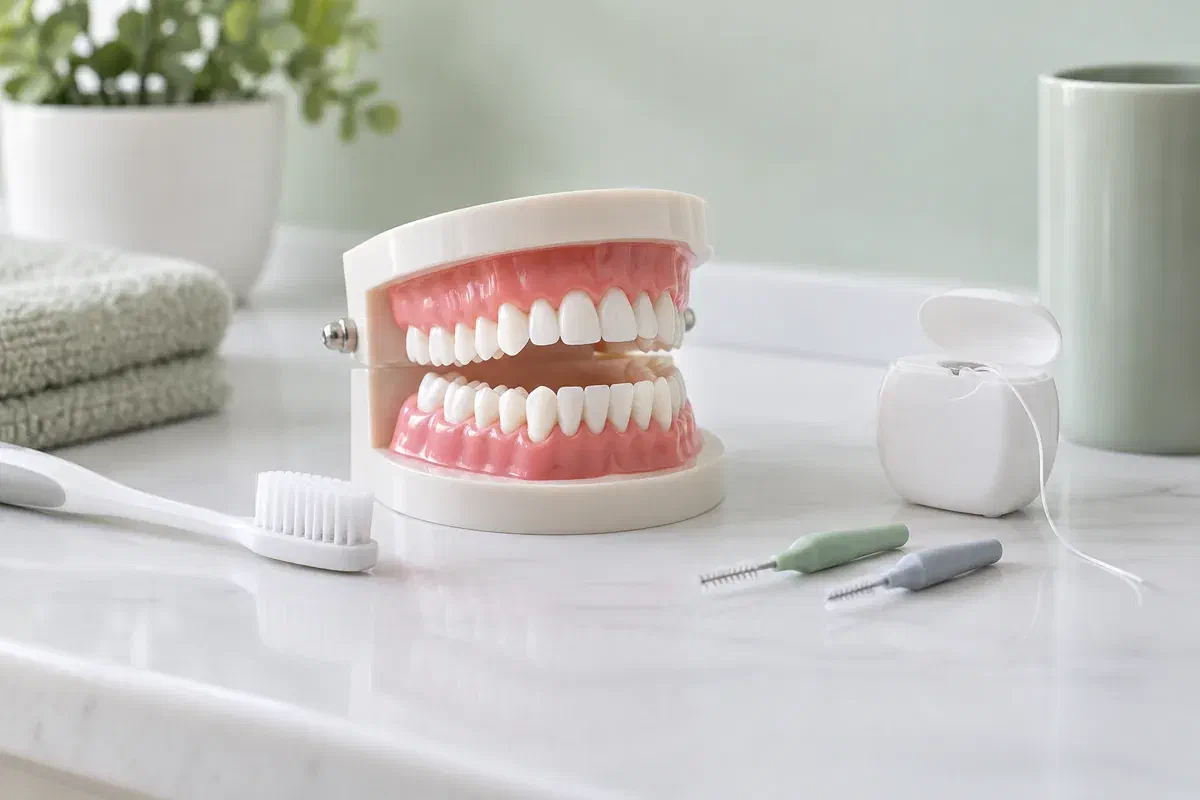
Dental teaching model with a toothbrush, interdental brushes, and floss
Common worries

What makes a cleaning feel hard

Discomfort and nerves are useful information, not something to hide. Describe what has been difficult, which areas feel tender and what has helped in the past.

Tender, bleeding gums

Inflamed gums often feel sore during cleaning and may bleed easily. Plaque is a frequent cause, though not the only possibility. Tell us whether it is one area or many, and whether you have noticed puffiness, a bad taste or a tooth that seems to have moved.

Hard deposits near sensitive roots

Tartar often settles right where gums have pulled back and root surfaces are exposed, which can make removal feel sharp. Brushing cannot shift it. The hygienist can show you where it sits and talk about ways to make that area more comfortable to clean.

A past appointment that went wrong

Maybe it felt rushed, or nobody stopped when you flinched. Describe what happened. The team can go over the plan in advance, agree a hand signal for breaks, check in regularly and discuss suitable options for numbing or desensitising sensitive spots.

Please share any health conditions, pregnancy, medicines or physician guidance before your visit. A full history helps the team choose comfort measures safely, even for a routine cleaning.

Why it is worth coming in

Calmer gums often mean easier visits over time.

Plaque is soft and forms constantly; tartar is plaque that has mineralised and bonded to the tooth. Both can keep gums irritated. When the hygienist removes the hardened layer and checks the surrounding tissue, the gums have a chance to settle, which can make future cleanings less uncomfortable.

Comfort also comes from technique at home. A softer brush, a gentler angle or a desensitising toothpaste recommended for your situation may reduce the sting you feel every morning. Ask the hygienist to demonstrate, and tell them honestly what feels painful or awkward.

Patient information: NIDCR — oral hygiene and professional care

Fewer surprises at each visit

Gum measurements and notes give the team a record to compare against. Ask which areas are healthy and which are being watched. Knowing what to expect next time can take some of the worry out of booking.

A plan explained in advance

Maintenance and gum disease treatment are different, and the second may involve more visits or freezing. The hygienist should explain which applies before starting, so you are never caught off guard partway through.

Gentle tools that suit you

Soft interdental brushes, wider floss or a different brush head can make home care less uncomfortable. Ask for suggestions tied to your sensitive areas and any dental work. A tool that does not hurt is one you will keep using.

A paced appointment

You set the signals. We explain before we start.

Agree a stop signal at the beginning and tell the team what you would like explained as you go. Speaking up about sensitivity is expected and welcome.

  1. Talk first, with no instruments in sight

    We go over your health history, medicines and what you have noticed since your last visit. This is the time to mention sensitivity, past difficulties and areas you avoid. However long it has been, there is no need to apologise.

  2. Check the gums gently

    The hygienist looks at tissue health, deposits and pocket depths where needed, telling you what each step involves. A dentist's examination or X-rays may be advised based on the findings. Hygiene care is one part of your overall assessment.

  3. Clean at an agreed pace

    Hand instruments, an ultrasonic scaler or both may be used, and water temperature or pacing can be discussed. Polishing is offered when helpful, not insisted on. Signal whenever you need a pause, and comfort options can be considered.

  4. Practise and plan, without pressure

    Before you go, try any new technique with guidance. Ask whether gum treatment or a recheck is recommended and why that interval suits you. If the next step involves more extensive care, ask what comfort measures would be available.

After your cleaning

Be kind to your gums while they settle.

Daily care and professional cleaning work together. Follow any instructions you were given, and call if a sore spot does not seem to be improving.

Use a soft brush and a light hand

Brush with fluoride toothpaste, angling a soft brush towards the gumline without pressing hard. If cold or brushing stings, ask whether a toothpaste for sensitive teeth would suit you, and mention any area that stays tender.

Ease into between-teeth cleaning

Use the size of aid recommended for each gap and glide it in gently. Do not force a brush through a tight space or snap floss down. If a tool catches or hurts in one spot, tell the team rather than giving up on it.

Know what should fade and what should not

Some sensitivity can follow a cleaning and often eases, but call if pain intensifies or bleeding carries on. Swelling, a tooth that feels loose or discomfort when chewing needs a look. Do not hold out for your routine appointment.

Care that fits your comfort

Each type of visit can be paced to suit you.

Findings help decide which care is appropriate. Ask what they mean and whether more assessment is needed before the plan is finalised.

For ongoing prevention

Gentle maintenance cleaning

Deposits are removed, gums are reviewed and home care is adjusted. Your return interval should reflect your needs. Regular visits can also become easier as gums stay healthier and the build-up has less time to accumulate.

For periodontal care below the gumline

Gum disease treatment with comfort planning

Treatment may involve deeper cleaning, reassessment or referral to a gum specialist, sometimes with local anaesthetic. Ask about the diagnosis, the number of visits and which comfort measures can be used.

For routines that hurt or are hard to manage

Support for sensitive or hard-to-clean areas

Time may focus on exposed roots, crowded teeth, bridges or gentler tools. Demonstration should target the area that troubles you, with space to ask questions and try alternatives.

Patient information: NIDCR — gum disease assessment and treatment

Answers for nervous patients

Questions people are often too shy to ask.

Your comfort and findings shape the plan. Ask about scope, fees, comfort options and any extra visits before care begins.

(905) 876-4488
Can I ask the hygienist to stop whenever I need a break?
Yes. Agree on a signal before starting, such as raising a hand. Breaks are a normal part of a comfortable appointment, and the team would rather pause than have you push through discomfort.
Why do my teeth feel more sensitive after a cleaning?
Removing deposits can expose surfaces that were covered, and inflamed gums may feel tender as they settle. This often eases. If sensitivity is severe or lasts, contact the clinic so the cause can be reviewed.
Is numbing ever used for a routine cleaning?
It depends on the areas involved and your sensitivity. Topical or local anaesthetic may be considered in some cases. Ask during planning what options suit you and mention any previous reactions.
I gag easily. Can the appointment be adapted?
Tell the team before starting. Adjusting your chair position, taking frequent breaks and working in smaller sections can help some people. Let the hygienist know what tends to trigger it.
Can I listen to music or wear headphones during the visit?
Many people find it calming. Mention it at the start so the team can agree how to get your attention when needed. You should still have a clear way to signal for a pause.
Can my first visit from Georgetown be a conversation only?
Ask the team when you call. Some nervous patients prefer to discuss their concerns and the plan before any cleaning begins. Explaining what you need helps the clinic suggest a suitable first step.
Georgetown hygiene appointments

A cleaning on your terms.

Call our Bronte Street practice and let us know what makes dental visits hard for you. Ask about breaks, sensitivity, comfort options or what to expect. We will explain the findings gently and agree the next steps at a pace that suits you.

Dealing with a toothache, swelling or another new problem? Say so when you call and we can plan to look at it during your appointment.

Visit Milton Dental Clinic
Unit 1, 342 Bronte St. S, Milton, ON L9T 5B7
Get directions Clinic hours
Monday–Thursday
11am–7pm
Friday–Sunday
By appointment only

Areas we serve

  • Milton
  • Oakville
  • Mississauga
  • Georgetown
  • Halton Hills
  • Acton
  • Campbellville
  • Brampton
  • Burlington
  • Puslinch
  • Rockwood
  • Erin
  • Caledon
  • Etobicoke
  • Old Milton
  • Bronte Meadows
  • Timberlea
  • Dorset Park
  • Dempsey
  • Clarke
  • Beaty
  • Coates
  • Harrison
  • Scott
  • Willmott
  • Ford
  • Bowes
  • Cobden
  • Walker
  • Mountain View
  • Milton Heights
  • Hawthorne Village
  • Valley View
  • Fallingbrook
  • Nassagaweya
  • Trafalgar
  • Esquesing
  • Nelson
  • Brookville
  • Moffat
  • Glen Williams
  • Norval
  • Limehouse
  • Stewarttown
  • Ashgrove
  • Hornby
  • Silver Creek
  • Speyside
  • Scotch Block
  • North Oakville
  • River Oaks
  • Glen Abbey
  • West Oak Trails
  • Palermo
  • Bronte Creek
  • College Park
  • Joshua Creek
  • Uptown Core
  • Preserve
  • Iroquois Ridge
  • Lisgar
  • Meadowvale
  • Meadowvale Village
  • Churchill Meadows
  • Erin Mills
  • Central Erin Mills
  • Streetsville
  • East Credit
  • Creditview
  • Heartland
  • Sheridan
  • Mount Pleasant
  • Credit Valley
  • Huttonville
  • Churchville
  • Springbrook
  • Northwest Brampton
  • Bram West
  • Fletcher's Meadow
  • Fletcher's Creek South
  • Alton Village
  • Orchard
  • Millcroft
  • Headon Forest
  • Tansley
  • Brant Hills
  • Tyandaga
  • Kilbride
  • Lowville
  • Aberfoyle
  • Morriston
  • Arkell
  • Hillsburgh
  • Freelton
  • Carlisle
  • Waterdown
  • Flamborough
  • Mountsberg

How can we help?

Milton Dental Clinic

Have a question about your smile? Choose the option that works best for you.

For urgent dental concerns, please call.
Messages are reviewed during clinic hours.