

Illustrative conversation with a dental hygienist before an appointment
General & Family Dentistry

Dental Hygiene Appointments in Halton Hills

Six months is a habit, not a rule. For households across Halton Hills, a hygiene appointment works out how often your gums really need professional care, then helps you look after them in between.

Halton Hills hygiene care

How often do you actually need a cleaning?

Ask ten people and most will say twice a year. That figure suits plenty of mouths, but not all of them. Someone who forms tartar quickly, has a history of gum disease or lives with diabetes may need closer care, while another person with stable gums may do well on a longer gap. The interval should come from your own findings.

That is one reason the appointment itself matters. The hygienist removes hardened deposits, checks the gums for inflammation and records measurements that can be compared next time. Those details are what make it possible to recommend a sensible return date instead of a default one.

From Georgetown, Acton, Glen Williams or one of the smaller hamlets, families often try to keep everyone on the same schedule. That is reasonable to ask about. Tell us, too, about bleeding, a rough spot near the gumline, cold sensitivity or a gap that traps food, so each person's plan is built on what is really going on.

Set up a hygiene appointment
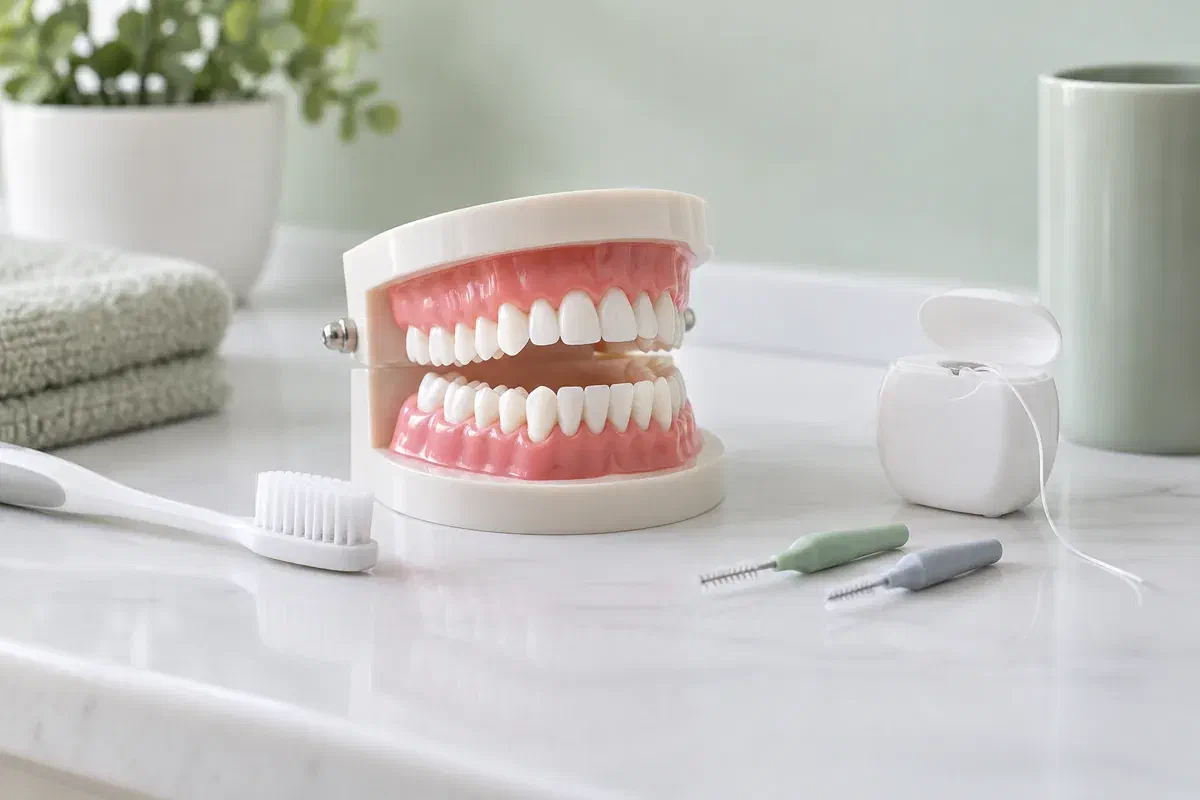
Dental teaching model with a toothbrush, interdental brushes, and floss
Factors that change the timing

Some mouths need a closer eye.

Certain signs and circumstances can affect how often a cleaning is useful. Share what you notice, where it happens and how long it has been going on.

Gums that bleed or feel swollen

Inflammation linked to plaque is a frequent explanation, though general health can also play a part. Bleeding is worth having checked rather than brushed off. Mention whether it occurs in one region or around many teeth, and whether any tooth feels looser.

Tartar that forms quickly

Some people build up hardened deposits within weeks, often behind the lower front teeth or around crowns and bridges. Brushing cannot remove them once they set. If this sounds familiar, the hygienist may suggest a shorter interval and show you where to focus.

Sensitivity or anxiety about cleaning

Tender teeth or a stressful earlier visit can make people put appointments off, which in turn can mean more build-up next time. Tell us what has been hard before. The team can explain the plan, pause on your signal and discuss comfort options.

Changes such as a new diagnosis, pregnancy, smoking or vaping habits, or new medicines can all affect gum health. Mention them before the visit so the recommended interval reflects your current situation.

Why regular hygiene care helps

A schedule that fits your gums, not the calendar.

Soft plaque settles on teeth every day and is the part your brush can manage. Left long enough, it calcifies into tartar, which needs professional instruments. Both are associated with gum inflammation, so the hygienist evaluates the tissue as closely as the deposits before suggesting when you should return.

Each visit is also a check on your technique. If the same area keeps bleeding or collecting tartar, a change in brush angle or a different interdental aid may help more than an extra appointment would. Ask the hygienist to demonstrate, and be honest about what you can keep up.

Patient information: NIDCR — oral hygiene and professional care

Comparisons from visit to visit

Recorded gum measurements reveal whether things are steady, getting better or slipping. Ask which areas are being watched and what result would allow a longer interval. That turns the schedule into something you can influence.

A scope of care based on findings

Some people need routine maintenance only. Others show signs of gum disease that call for treatment and reassessment. The hygienist should be clear about which applies before you assume a single cleaning will do.

Aids picked for your situation

Floss, small brushes and other tools suit different gaps, dental work and levels of dexterity. Ask for a short list linked to your mouth. Tools that make sense to you are the ones you are likely to use.

What to expect in the chair

Assess first, clean second, plan the gap last.

Tell the team what you would like explained and agree how to ask for a break. Talking about discomfort or tricky tools makes the appointment far more useful.

  1. Review your health and recent changes

    We update medical information and ask what you have noticed since your previous cleaning. Bleeding, dry mouth, sensitivity and new prescriptions all matter. If you have been away from the dentist for some time, that is simply part of the record.

  2. Measure gums and assess build-up

    The hygienist checks the tissue, the deposits and pocket depths where relevant. Depending on the findings, you may also be booked to see the dentist, with imaging if it is due. A hygiene visit complements your wider dental care rather than replacing it.

  3. Clean in the way your mouth requires

    Instruments are chosen for each area, whether hand scalers, ultrasonic tips or both. Polishing and fluoride are used when they add something. If a place feels tender, speak up so the technique can be talked through.

  4. Explain the recommended interval

    Before you leave, practise any new home-care step and ask why a particular return date has been suggested. Find out what would make it shorter or longer and whether a gum reassessment is part of the plan.

In the months between

What you do daily decides a lot.

Home care and professional cleaning are partners. Follow any instructions given after your visit, and call if you are uncertain how to manage a sore area.

Keep the brush angled at the gum

A soft brush and fluoride toothpaste, guided along the gumline, will clean more effectively than pressing hard. If a particular area stays awkward, ask about a smaller head, an electric brush or a change of grip.

Use the right size between teeth

Choose the floss or interdental brush recommended for each gap, and ease it in rather than forcing it. If an aid frays or sticks in the same spot week after week, let us know so the area can be checked.

Call before your recall if things change

Mild soreness after care usually settles, but get in touch if pain builds or bleeding does not ease. A swollen patch of gum, a tooth that has started to move or trouble biting deserves attention well before your next scheduled date.

Types of hygiene care

Different findings, different schedules.

Your assessment indicates the most suitable care. Ask what the findings mean and whether further evaluation is needed before the plan is agreed.

For gums that are healthy and stable

Routine maintenance visits

Expect deposits to be removed, gum health to be reviewed and your routine to be refined. The interval should match your risk. Periodic checks are still worthwhile without symptoms, because early gum changes rarely announce themselves.

For gum disease that needs treatment

Periodontal care and reassessment

Cleaning below the gumline, a follow-up evaluation or referral to a gum specialist may be advised, often with closer intervals afterwards. Ask about the diagnosis, the number of visits and how improvement will be measured.

For areas that are difficult to clean

Focused routine support

Some visits put extra time into bridges, braces, crowded teeth or tools suited to limited dexterity. Demonstration should address the exact spot you find hardest, with plenty of room for questions.

Patient information: NIDCR — gum disease assessment and treatment

Questions about timing and risk

Straight answers on intervals and gum health.

What is recommended depends on your findings and circumstances. Questions about fees, comfort or how many visits are planned are welcome before any care begins.

(905) 876-4488
Do smoking or vaping affect how often I need a cleaning?
Smoking is a well-known risk factor for gum disease, and vaping can also affect the mouth. Let the hygienist know about your habits. They may recommend closer monitoring and can explain what to watch for between visits.
Does diabetes change my hygiene needs?
Diabetes is associated with a higher risk of gum problems, and gum health is something your physician may also ask about. Tell the team about your diagnosis and how it is managed. The recommended interval may reflect that.
Do I need X-rays every time I come for a cleaning?
No. The need for X-rays depends on your history, risk and what the dentist needs to assess. Ask whether any are due at your visit and why they are recommended.
What would make my recall interval longer?
Stable gum measurements, little build-up and consistent home care can support a longer gap, as long as your overall risk allows it. Ask the hygienist what they would need to see before changing the schedule.
Can a hygiene visit tell me whether I have gum disease?
The hygienist gathers important information, such as bleeding and pocket depths. Diagnosis and treatment planning may also involve the dentist and X-rays. Ask how the findings will be explained and who will confirm the diagnosis.
Can everyone in our Halton Hills household keep the same recall date?
Sometimes, though each person’s interval should reflect their own gums. Ask the team about grouping visits where it makes sense. When one person needs closer care, their extra appointments can be planned separately.
Book from Halton Hills

Find the rhythm of care your gums need.

Reach out to our Bronte Street practice to book a hygiene appointment. Bring questions about intervals, tartar, bleeding or the tools you use at home. We will explain what we see and suggest a schedule that makes sense for you.

Tell us about any pain, swelling or new dental concern when you call, so time can be set aside to assess it during your visit.

Visit Milton Dental Clinic
Unit 1, 342 Bronte St. S, Milton, ON L9T 5B7
Get directions Clinic hours
Monday–Thursday
11am–7pm
Friday–Sunday
By appointment only

Areas we serve

  • Milton
  • Oakville
  • Mississauga
  • Georgetown
  • Halton Hills
  • Acton
  • Campbellville
  • Brampton
  • Burlington
  • Puslinch
  • Rockwood
  • Erin
  • Caledon
  • Etobicoke
  • Old Milton
  • Bronte Meadows
  • Timberlea
  • Dorset Park
  • Dempsey
  • Clarke
  • Beaty
  • Coates
  • Harrison
  • Scott
  • Willmott
  • Ford
  • Bowes
  • Cobden
  • Walker
  • Mountain View
  • Milton Heights
  • Hawthorne Village
  • Valley View
  • Fallingbrook
  • Nassagaweya
  • Trafalgar
  • Esquesing
  • Nelson
  • Brookville
  • Moffat
  • Glen Williams
  • Norval
  • Limehouse
  • Stewarttown
  • Ashgrove
  • Hornby
  • Silver Creek
  • Speyside
  • Scotch Block
  • North Oakville
  • River Oaks
  • Glen Abbey
  • West Oak Trails
  • Palermo
  • Bronte Creek
  • College Park
  • Joshua Creek
  • Uptown Core
  • Preserve
  • Iroquois Ridge
  • Lisgar
  • Meadowvale
  • Meadowvale Village
  • Churchill Meadows
  • Erin Mills
  • Central Erin Mills
  • Streetsville
  • East Credit
  • Creditview
  • Heartland
  • Sheridan
  • Mount Pleasant
  • Credit Valley
  • Huttonville
  • Churchville
  • Springbrook
  • Northwest Brampton
  • Bram West
  • Fletcher's Meadow
  • Fletcher's Creek South
  • Alton Village
  • Orchard
  • Millcroft
  • Headon Forest
  • Tansley
  • Brant Hills
  • Tyandaga
  • Kilbride
  • Lowville
  • Aberfoyle
  • Morriston
  • Arkell
  • Hillsburgh
  • Freelton
  • Carlisle
  • Waterdown
  • Flamborough
  • Mountsberg

How can we help?

Milton Dental Clinic

Have a question about your smile? Choose the option that works best for you.

For urgent dental concerns, please call.
Messages are reviewed during clinic hours.