

Illustrative conversation with a dental hygienist before an appointment
General & Family Dentistry

Dental Hygiene Appointments in Puslinch

Switching clinics means starting fresh. A first hygiene appointment for people from Puslinch sets a clear baseline for your gums, removes built-up deposits and explains what we found in plain language.

First visits from Puslinch

New clinic, clean slate.

People change dental offices for all sorts of reasons: a retiring dentist, a move out to the township, a schedule that no longer works. Whatever the cause, a first hygiene appointment with a new team is a chance to set down an accurate picture of your gums and teeth, so later visits have something solid to build on.

At that first visit, the hygienist gets to know your mouth. Hardened deposits are removed, the gum tissue is checked and measured where appropriate, and the areas your routine tends to miss are pointed out. You hear what was found and what, if anything, needs closer attention.

It helps to arrive with a short summary of your history. Mention past gum treatment, any crowns or bridges, the medicines you take and anything that has bothered you lately, from bleeding to sensitivity to food that lodges in one place. Those details let the team tailor care to you instead of assuming a standard routine.

Book your first cleaning
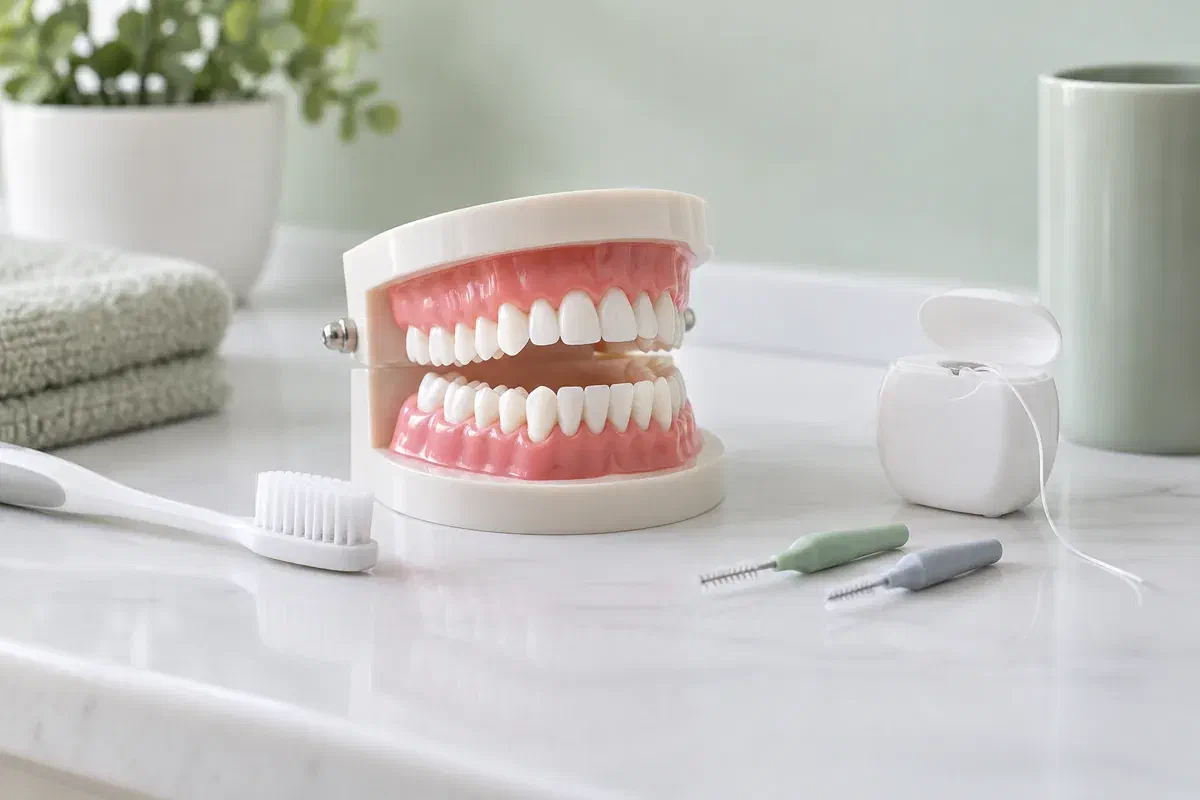
Dental teaching model with a toothbrush, interdental brushes, and floss
What a new team needs to know

Tell us what your last clinic knew.

Concerns you have mentioned elsewhere are still worth repeating here. Describe where the problem is, how long it has lasted and what has been tried.

A history of bleeding or gum trouble

If gums have bled, receded or been treated before, say so. Plaque-related inflammation is a common cause of bleeding, but other health factors can contribute. Point out whether it is one area or many, and whether you have noticed swelling or loosening.

Build-up around older dental work

Crowns, bridges and overlapping teeth create edges where tartar settles, and brushing cannot remove it once it hardens. A new hygienist will want to see these areas closely. Ask them to show you where deposits gather and which aid reaches them.

Comfort needs you have had before

Perhaps a previous hygienist knew you needed extra breaks, warmer water or a slower pace. A new team will not know unless you tell them. Describe what has helped and what has been difficult, so comfort measures can be discussed from the start.

On your first visit, be thorough about your medical history, including conditions, allergies, pregnancy, medicines and any physician instructions. A complete record matters, however routine the cleaning seems.

Why the first visit matters

A reliable starting point for everything that follows.

Bacterial plaque forms on teeth daily and can be disrupted by brushing. When it stays, it hardens into tartar, which must be removed professionally. Gum inflammation can follow from both, so a first assessment looks at the tissue around each tooth as well as the deposits on it.

First visits are also a good time to revisit habits you may never have questioned. A fresh pair of eyes might suggest a change of brush angle, a different floss or a smaller interdental brush. Ask the hygienist to show you on your own teeth, and say whether it seems practical.

Patient information: NIDCR — oral hygiene and professional care

A baseline set down clearly

Gum measurements and observations from your first appointment become the reference for future comparisons. Ask what looks healthy and which areas will be rechecked. That gives you a clear sense of where you are starting.

Care based on fresh findings

The hygienist and dentist here will decide whether maintenance or gum treatment fits what they see. That may differ from what you were told before. Ask the hygienist to explain the reasoning before you plan for a single visit.

Recommendations tied to your mouth

A new hygienist may suggest different aids from the ones you are used to. Ask why, and how each one fits your gaps, dental work or grip. A brief, well-explained list is more helpful than a bag of samples.

Your first appointment

Getting to know your mouth, one step at a time.

Let the team know what you want explained and how you would like to signal a break. Being open about past experiences and difficult areas helps the visit go well.

  1. Build your record together

    We take a full medical and dental history, including previous treatment, medicines and recent symptoms. Mention bleeding, dryness, sensitivity and spots you avoid. If it has been a while since your last cleaning, just say so.

  2. Assess gums and deposits

    The hygienist evaluates tartar, gum condition and pocket depths where relevant. As a new patient, you may also be booked for a full examination with the dentist and any necessary imaging. Hygiene care forms one part of that overall picture.

  3. Clean the areas that need it

    Hand or ultrasonic instruments may be used depending on what is found. Polishing and preventive treatments are offered where they make sense. Let the hygienist know about sensitive areas so the approach can be talked through.

  4. Explain findings and the plan ahead

    Before you go, try any recommended home-care technique and ask about the results. Confirm whether follow-up gum care or reassessment is needed and why a particular interval is suggested for you.

After the first visit

Settle into a routine your new team can support.

Home care and professional cleaning go hand in hand. Follow any specific instructions you received, and do not hesitate to call with a question about a tender area.

Angle the brush towards the gums

Fluoride paste on soft bristles, worked along the areas discussed at your visit, is the place to begin. Gentle, deliberate strokes beat heavy pressure. If any part of your mouth is hard to reach, ask about a different brush shape.

Try the new between-teeth aid

Use the size and type recommended for each gap, even if it is different from what you used before. Avoid forcing it through a tight spot or snapping floss into the gum. If it catches repeatedly, let us know.

Keep us posted about changes

Some tenderness after cleaning can be normal and should ease. Call if pain gets worse, bleeding continues, a gum becomes swollen or a tooth feels loose. Changes like these are worth reporting well before your next recall.

Where your first findings may lead

Three possible directions after the baseline.

Your initial assessment helps establish the right care. Request a plain explanation of the results, and check whether anything else must be evaluated before a plan is set.

If your gums are healthy and stable

Routine hygiene maintenance

Deposits are removed, gum health is reviewed and home care is adjusted. Your interval should reflect your needs. Regular checks still help when nothing hurts, because early gum changes are often painless.

If gum disease is found or was treated before

Periodontal treatment

Care may involve cleaning below the gumline, reassessment or referral to a periodontist. It is a distinct treatment, not a firmer cleaning. Ask about the diagnosis, how many visits to expect and how progress will be judged.

If certain spots are hard to keep clean

Routine support for tricky areas

Your visit can focus on bridges, crowded teeth, appliances or tools suited to your hands. Demonstration should target the area you find hardest, with time to ask questions.

Patient information: NIDCR — gum disease assessment and treatment

New patient questions

What to expect when you switch clinics.

Recommendations depend on your findings and circumstances. Before treatment, ask what is planned, the expected fees, how comfort is handled and whether more visits are likely.

(905) 876-4488
What should I bring to my first hygiene appointment?
A list of medicines, details of any health conditions and the contact information for your previous dental office are helpful. If you use a particular brush or aid, you can bring that too.
Will I need new X-rays when I change dental offices?
That depends on how recent your previous images are and what the dentist needs to assess. Ask your former office to send records, then ask the team whether new imaging is recommended.
Is my first visit longer than a regular cleaning?
It may be, since your history and baseline measurements need to be recorded. Ask when booking how much time to allow, and whether an examination with the dentist is scheduled for the same day.
My last clinic said I needed gum treatment. Will that be repeated?
We will carry out our own assessment. Share what you were told and any records you have. The hygienist and dentist can explain whether they agree and what they recommend.
Can I fill in my health history before arriving?
Ask the team when you book. Having your medical details ready can make the start of the appointment smoother and leave more time for questions.
Is it practical to book cleanings from Puslinch around farm or work schedules?
Mention your constraints when you call. The clinic is open Monday to Thursday in the late morning through early evening, with Friday to Sunday visits by appointment. Booking the next visit before you leave can help.
Puslinch hygiene appointments

Start with a clear picture of your gums.

Get in touch with our Bronte Street practice to book a first hygiene visit. Bring your history, your questions about bleeding or sensitivity and anything a previous clinic told you. We will explain our findings and set out the next steps.

Already dealing with pain, swelling or a damaged tooth? Tell us as you book so it can be assessed when you come in.

Visit Milton Dental Clinic
Unit 1, 342 Bronte St. S, Milton, ON L9T 5B7
Get directions Clinic hours
Monday–Thursday
11am–7pm
Friday–Sunday
By appointment only

Areas we serve

  • Milton
  • Oakville
  • Mississauga
  • Georgetown
  • Halton Hills
  • Acton
  • Campbellville
  • Brampton
  • Burlington
  • Puslinch
  • Rockwood
  • Erin
  • Caledon
  • Etobicoke
  • Old Milton
  • Bronte Meadows
  • Timberlea
  • Dorset Park
  • Dempsey
  • Clarke
  • Beaty
  • Coates
  • Harrison
  • Scott
  • Willmott
  • Ford
  • Bowes
  • Cobden
  • Walker
  • Mountain View
  • Milton Heights
  • Hawthorne Village
  • Valley View
  • Fallingbrook
  • Nassagaweya
  • Trafalgar
  • Esquesing
  • Nelson
  • Brookville
  • Moffat
  • Glen Williams
  • Norval
  • Limehouse
  • Stewarttown
  • Ashgrove
  • Hornby
  • Silver Creek
  • Speyside
  • Scotch Block
  • North Oakville
  • River Oaks
  • Glen Abbey
  • West Oak Trails
  • Palermo
  • Bronte Creek
  • College Park
  • Joshua Creek
  • Uptown Core
  • Preserve
  • Iroquois Ridge
  • Lisgar
  • Meadowvale
  • Meadowvale Village
  • Churchill Meadows
  • Erin Mills
  • Central Erin Mills
  • Streetsville
  • East Credit
  • Creditview
  • Heartland
  • Sheridan
  • Mount Pleasant
  • Credit Valley
  • Huttonville
  • Churchville
  • Springbrook
  • Northwest Brampton
  • Bram West
  • Fletcher's Meadow
  • Fletcher's Creek South
  • Alton Village
  • Orchard
  • Millcroft
  • Headon Forest
  • Tansley
  • Brant Hills
  • Tyandaga
  • Kilbride
  • Lowville
  • Aberfoyle
  • Morriston
  • Arkell
  • Hillsburgh
  • Freelton
  • Carlisle
  • Waterdown
  • Flamborough
  • Mountsberg

How can we help?

Milton Dental Clinic

Have a question about your smile? Choose the option that works best for you.

For urgent dental concerns, please call.
Messages are reviewed during clinic hours.