

Illustrative brushing demonstration using a dental model
General & Family Dentistry

Oral Hygiene Instruction in Burlington

A streak of pink in the sink can make you want to stop flossing altogether. Personal instruction looks at why an area bleeds and shows a gentler, more effective way to keep cleaning it, matched to your mouth.

When cleaning draws blood

Should you stop flossing the spot that bleeds?

Bleeding is the moment many people quietly give up on an area. It feels like cleaning is causing harm, so the floss stays in the drawer. Yet the reason behind it varies. Gums may be inflamed, a filling edge may be rough, or the technique may be pressing too hard. Each of those calls for a different response.

Rather than guessing, it helps to have someone watch what you do. If you're coming from Burlington, bring the brush and aids you normally use and point to where the pink appears. We look at the gum, the tooth and your movement together, then explain what we see in plain terms and without any blame.

Instruction is one piece of your ongoing dental and hygiene care, and it depends on what the exam shows. Sometimes a gentler motion or a better-sized aid is the answer. Sometimes treatment is needed as well. In either case you'll go home with a few manageable steps, not a complete overhaul.

Get help with a bleeding area
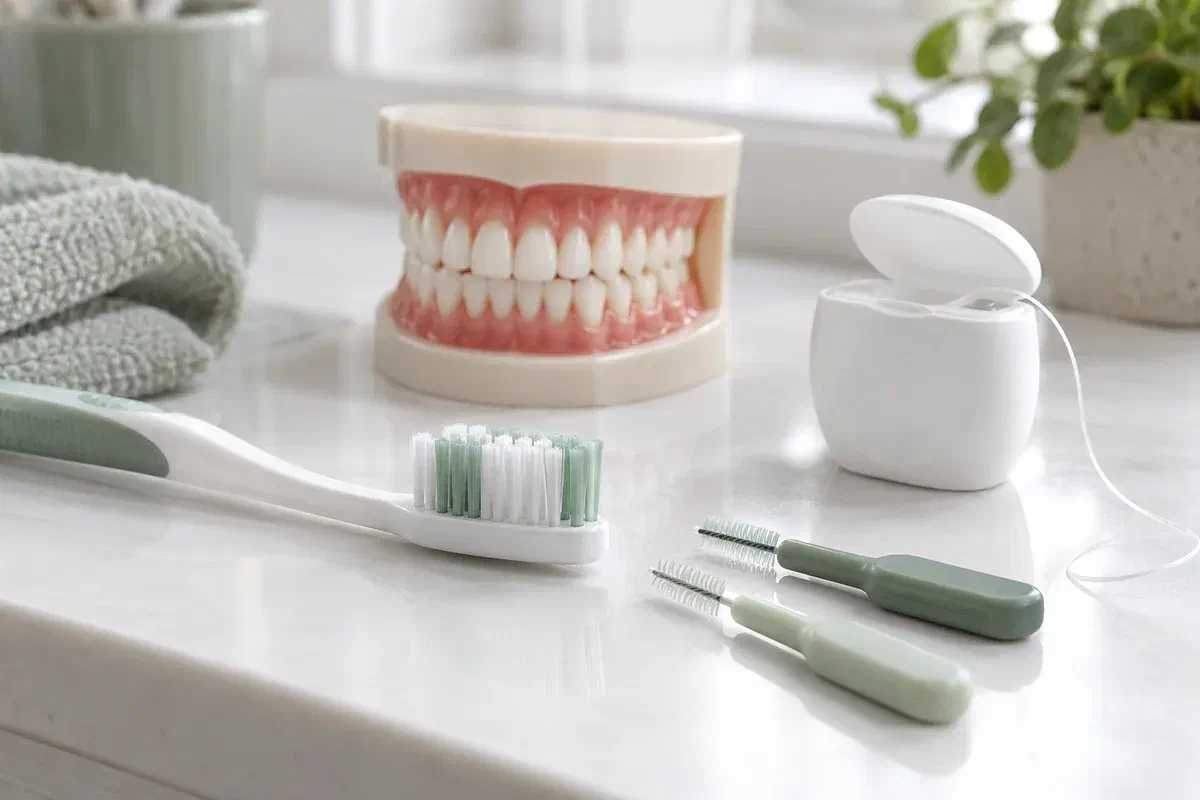
Soft toothbrush, interdental brushes, floss, and dental model for personal care instruction
What we look at first

Three reasons cleaning can feel like a struggle

Tell us exactly what happens when you clean: pain, catching, gagging, bleeding or simple frustration. A clear example lets us tell whether the issue is technique or something that needs further assessment.

An awkward gap or contour

When teeth overlap or a bridge or crown changes the shape of a space, the usual path for floss may not work. We can find the area and show you a better route. The approach under a bridge often differs from that between two natural teeth.

Gums that bleed or ache

Show us where bleeding starts and whether the area feels sore. Possible causes include gum inflammation, a rough edge on dental work and a technique that is too forceful. Scrubbing harder or buying a stronger mouthwash rarely sorts it out on its own.

Comfort, stamina and sensitivity

Sore hands, a limited reach, fatigue or a dislike of strong flavours can all make daily care harder. Explain what you can comfortably manage. Suitable tools, a gentler pace and support from others can all be part of the plan.

Please bring your toothbrush and the aids you use. Watching your usual routine is often more useful than trying to recall instructions you were given long ago.

The value of being shown

Gentle can still be thorough.

Keeping plaque under control each day comes down to reaching the right surfaces without excess force. A toothbrush and an interdental aid each cover different ground. Once you see which tool belongs where, it becomes easier to clean the gumline thoroughly while staying kind to tissue that is already irritated.

We also check that the method feels workable. Practise in the chair, or describe the steps back, and we'll adjust anything unclear. Tell us honestly if a step seems unlikely to survive a normal week. A modest routine you actually follow is worth much more than a perfect one that lasts three days.

Patient information: NIDCR — oral hygiene techniques and daily care

Knowing what each movement targets

Ask which surface a technique is supposed to clean. That understanding helps you remember the motion and spot when a tool is missing the area. It also saves you from adding products that have no clear purpose for your mouth.

The right aid for each gap

Floss, small interdental brushes, holders and other tools suit different spaces. Size matters, and so does access around restorations. A good recommendation explains how to use the aid and when you should not push it any further.

A review that shows change

At a follow-up, we can see whether bleeding, plaque or the practical struggle has eased. Tell us what was simple to maintain and what you let slide. The routine is meant to evolve rather than being a test set on the first visit.

Working through it together

From the bleeding spot to a steadier routine

The more we know about your current routine, the more useful the advice. Be candid about habits and obstacles; this is about better care and never about judgement.

  1. Find where and when it happens

    We begin by asking which areas bleed or feel sore and what you were doing at the time. Mention any appliances, recent treatment or help you get with cleaning. Our examination of the gums and teeth shows whether instruction alone is suitable or other treatment should come first.

  2. Watch your current technique

    You show us how you brush and clean between teeth in that area. From there we can demonstrate a different angle, lighter pressure or another aid using a model, a mirror or your own mouth, focusing on the part that troubles you most.

  3. Try the gentler version

    You repeat the movement while we watch, so we can refine it. Speak up if anything hurts, catches or feels clumsy in your hand. Changing to a different tool can be wiser than persevering with one that does not suit the space.

  4. Plan the next look

    We agree on a small number of changes and clarify any product suggestions. Ask when the area should be checked again and which signs mean calling us sooner. Notes on paper can help you remember an aid's size or a route under a bridge.

The weeks after your visit

Keep cleaning the area, just more kindly.

Carry on with the method we agreed for your mouth, and ask about adjustments as questions come up. Heavier pressure, extra products or longer sessions do not by themselves clean better.

A calm, systematic brush

Use fluoride toothpaste and give the demonstrated surfaces your attention. Moving through your mouth in a predictable order helps you avoid skipping areas on rushed mornings. If brushing is painful or the bristles flatten fast, ask us to review how firmly you press.

Between teeth, with a light touch

Use the aid chosen for each area and the movement we practised. Some gaps may need a different size. Tell us if a tool keeps snagging or causes pain, since the reason could be technique, fit or a problem with the tooth or restoration that needs a look.

Room for harder days

When illness, tiredness or a change in ability makes cleaning difficult, ask how to adapt. A family member may help with agreed steps where that's appropriate. An easier product doesn't automatically take the place of the cleaning your gums need.

Patient information: NIDCR — cleaning between teeth and the role of professional care

Help for Burlington households

Which kind of support fits?

A lighter stroke may be enough, or you may need a better-fitting aid or a method for cleaning around a crown or bridge. If bleeding points to a need for treatment, the exam will reveal it.

When the method is too firm or misses spots

Gentler brushing and interdental cleaning

We can work on brush angle, cleaning order and how to reach the gumline and spaces between teeth with less force. Ask us to show one area properly before adding more. The aim is good daily practice, not memorizing product names.

When restorations alter access

Cleaning near crowns, bridges and implants

Dental work often needs methods suited to its design. Ask which aids are suitable for yours and how to avoid snagging or harming any component. Guidance should be based on your own restoration, not a stock illustration.

When comfort or ability gets in the way

Adapted or assisted cleaning

Options may include a chunkier handle, a powered brush, a different aid or a routine shared with a helper. Bring that person if you like. The plan should keep you participating and follow any medical or swallowing instructions.

Burlington questions about bleeding gums

Bleeding, brushes and what to expect

It is fine to say a technique still feels unclear. Tell us what is awkward, and we'll adapt the advice to your mouth and abilities.

(905) 876-4488
If floss draws blood, should I leave that area alone until it settles?
Avoiding the area can allow plaque to build up there. Instead, ask us to check the cause and show a gentler method. Contact us if bleeding continues, is heavy, or comes with pain or swelling, because those signs need assessment rather than more trial and error.
Is a soft-bristled toothbrush a better choice when my gums are tender?
Soft bristles are commonly recommended, and a gentle technique matters as much as the brush itself. Bring your current brush so we can see it, and ask us to watch your pressure. We can suggest a brush and movement that clean well without irritating the gumline.
Does bleeding when I brush mean I have gum disease?
Bleeding can be a sign of gum inflammation, but it can also relate to a rough restoration or forceful technique. The cause should be assessed at an examination. Instruction can help with daily care, and the team will explain if further treatment is needed.
Could an old filling be the reason one area keeps bleeding?
It’s possible. A rough or overhanging edge can make an area hard to clean and irritate the gum. Point out the spot when you visit so it can be examined. If the restoration is contributing, technique alone may not solve it, and we’ll discuss the options.
How will I know whether the new technique is working?
A later review can look at plaque, gum inflammation and whether the practical difficulty has eased. You may also notice that cleaning feels more controlled. Tell us what was easy to keep up and what wasn’t, so the routine can be adjusted where it falls short.
Will I still need a professional cleaning if my home care improves?
Home care manages daily plaque, but hardened tartar can only be removed professionally. Instruction supports your regular hygiene and dental care rather than replacing it. Ask which deposits are present and how often professional cleaning is advised for you.
Booking from Burlington

Let's find out why that spot bleeds.

Contact our Bronte Street practice to talk about bleeding gums, brushing, cleaning between teeth or caring for dental work. Describe the area and what you've noticed. We'll assess the concern and give practical guidance you can use every day.

Swelling, pain or anything else that's new should be mentioned at booking, so the team can examine it at the same time.

Visit Milton Dental Clinic
Unit 1, 342 Bronte St. S, Milton, ON L9T 5B7
Get directions Clinic hours
Monday–Thursday
11am–7pm
Friday–Sunday
By appointment only

Areas we serve

  • Milton
  • Oakville
  • Mississauga
  • Georgetown
  • Halton Hills
  • Acton
  • Campbellville
  • Brampton
  • Burlington
  • Puslinch
  • Rockwood
  • Erin
  • Caledon
  • Etobicoke
  • Old Milton
  • Bronte Meadows
  • Timberlea
  • Dorset Park
  • Dempsey
  • Clarke
  • Beaty
  • Coates
  • Harrison
  • Scott
  • Willmott
  • Ford
  • Bowes
  • Cobden
  • Walker
  • Mountain View
  • Milton Heights
  • Hawthorne Village
  • Valley View
  • Fallingbrook
  • Nassagaweya
  • Trafalgar
  • Esquesing
  • Nelson
  • Brookville
  • Moffat
  • Glen Williams
  • Norval
  • Limehouse
  • Stewarttown
  • Ashgrove
  • Hornby
  • Silver Creek
  • Speyside
  • Scotch Block
  • North Oakville
  • River Oaks
  • Glen Abbey
  • West Oak Trails
  • Palermo
  • Bronte Creek
  • College Park
  • Joshua Creek
  • Uptown Core
  • Preserve
  • Iroquois Ridge
  • Lisgar
  • Meadowvale
  • Meadowvale Village
  • Churchill Meadows
  • Erin Mills
  • Central Erin Mills
  • Streetsville
  • East Credit
  • Creditview
  • Heartland
  • Sheridan
  • Mount Pleasant
  • Credit Valley
  • Huttonville
  • Churchville
  • Springbrook
  • Northwest Brampton
  • Bram West
  • Fletcher's Meadow
  • Fletcher's Creek South
  • Alton Village
  • Orchard
  • Millcroft
  • Headon Forest
  • Tansley
  • Brant Hills
  • Tyandaga
  • Kilbride
  • Lowville
  • Aberfoyle
  • Morriston
  • Arkell
  • Hillsburgh
  • Freelton
  • Carlisle
  • Waterdown
  • Flamborough
  • Mountsberg

How can we help?

Milton Dental Clinic

Have a question about your smile? Choose the option that works best for you.

For urgent dental concerns, please call.
Messages are reviewed during clinic hours.