

Illustrative conversation about an individual preventive dental plan
General & Family Dentistry

Personalized Preventive Dentistry

Build prevention around the factors that matter in your mouth. Our Milton team can review your dental history, daily routine, and current findings to develop a practical plan for ongoing oral health.

A closer look at personalized preventive dentistry

Choose prevention for the mouth you have today.

Two people can brush regularly and still have different dental needs. Past decay, gum health, saliva, medicines, existing dental work, and daily habits can influence what deserves attention. Personalized prevention brings those details together so advice is connected to your situation rather than delivered as the same list to everyone.

At Milton Dental Clinic, the starting point is your current oral health and the pattern of problems you have experienced. Tell us what you already do, what you find difficult, and which changes in your life have affected the routine. The aim is to identify useful priorities, not to turn every meal or missed step into a source of worry.

A preventive plan may include home-care instruction, professional care, selected protective measures, and a review schedule. Each part should have a reason and be practical enough to follow. Prevention can reduce risk, but it cannot promise that no new problem will occur or replace treatment for disease that is already present.

Discuss a personal prevention plan
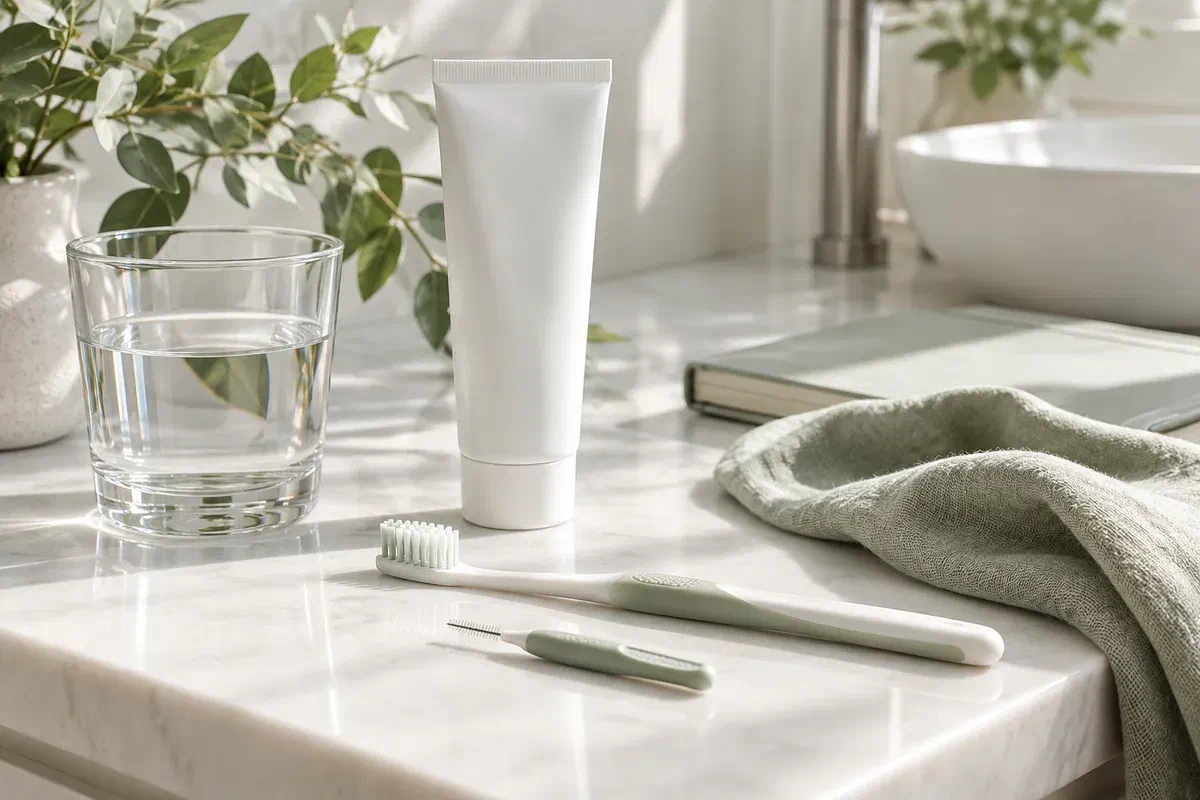
Toothbrush, interdental brush, toothpaste, water, and notebook illustrating a personal care routine
Patterns worth reviewing

Look beyond a single tooth or appointment.

Tell the team about recurring concerns and changes to your routine. An examination helps distinguish the factors that may be relevant from assumptions about why a problem keeps happening.

Repeated cavities or repair needs

A history of new decay can prompt a closer look at cleaning, fluoride exposure, eating patterns, and saliva. Repairing a tooth addresses the damage but does not automatically change the conditions behind it. Ask how the prevention plan relates to your previous findings.

Gum concerns that return

Bleeding, deposits, or difficulty maintaining certain areas may call for a review of home care and professional support. Existing gum disease can need active treatment as well as prevention. Explain what improved after previous care and what has been difficult to sustain.

A routine changed by health or circumstances

A new medicine, persistent dryness, shift work, reduced hand comfort, or a new appliance may change what works for you. Mention these developments even if the mouth is not painful. A plan that suited you several years ago may need adjustment.

Bring the products you use or a simple list if helpful. The team can review their purpose and suitability without expecting you to choose a more expensive or complicated routine automatically.

Why tailor the plan

Put effort where it is most likely to help.

Risk assessment can help identify why one area or type of problem needs particular attention. It considers both protective factors and factors that may increase disease activity. The result is not a prediction with certainty; it is a basis for discussing which preventive measures are appropriate and how their effect will be reviewed.

Personalization also means respecting what you can manage. A useful plan may start with a few specific changes, a demonstration, and an agreed review. If a recommendation is difficult to afford, tolerate, or fit into the day, say so. The team can discuss the purpose and whether a suitable alternative exists.

Patient information: American Dental Association — caries risk and prevention

Clear priorities instead of a product collection

Ask which one or two changes deserve the most attention and why. Understanding the reason can help you maintain the routine. Adding multiple products without a defined role can make care harder to follow without addressing the main concern.

Professional care with a stated purpose

A cleaning, fluoride measure, sealant, or review visit should connect to the findings and your needs. Ask what the intervention is intended to achieve. Not every preventive service is necessary for every tooth or every patient.

A plan that responds to change

Prevention can be adjusted when oral findings, health, or daily circumstances change. Tell the team about new barriers or improvements. The plan should be reviewed as part of care rather than treated as a permanent instruction that cannot evolve.

Developing your prevention plan

Connect the history, examination, and everyday routine.

Be specific about what happens between visits. A realistic account of habits, symptoms, and practical difficulties gives the team more useful information than an idealized routine.

  1. Review previous problems and current habits

    We discuss your dental history, health, medicines, and the way you care for your mouth. Mention frequent symptoms, dryness, and the timing of foods and drinks. The conversation should look for relevant patterns without assuming one habit explains every finding.

  2. Assess the teeth, gums, and risk factors

    The examination identifies current concerns and areas needing protection or monitoring. Additional records are considered when clinically useful. Ask which findings indicate active disease, which suggest increased risk, and which are simply observations that do not need treatment.

  3. Agree practical preventive measures

    The plan may include technique changes, suitable fluoride care, professional cleaning, or other measures for particular areas. Recommendations should account for age, oral findings, and individual circumstances. Ask for a demonstration and clear instructions for any unfamiliar product.

  4. Set a review point and measure progress

    Agree when the plan will be reassessed and what improvement will be checked. Review may consider new lesions, gum findings, cleaning effectiveness, or symptoms. If the routine is not working, the next step is to investigate and adapt it rather than simply repeat the same advice.

Following the plan between visits

Make the useful steps repeatable.

A preventive routine should be understandable enough to use on ordinary days. Follow the recommendations developed for your mouth and ask before adding a new treatment product.

Practise the technique that was demonstrated

Use fluoride toothpaste and suitable cleaning between teeth, paying attention to the areas discussed at the visit. If the movement or tool remains awkward, ask for another demonstration. Consistency is easier when the method fits your hands and mouth.

Notice patterns without judging yourself

Consider when dryness, snacking, or difficulty cleaning tends to occur and share those observations. A small practical adjustment may be more manageable than a broad rule. Any dietary advice should also respect medical or nutritional needs already being addressed.

Update the team when the situation changes

Report new medicines, changes in health, or a new appliance that affects cleaning. Attend the recommended review and explain which parts of the plan you used. The information helps the dentist distinguish an ineffective measure from one that was not practical to maintain.

Patient information: American Dental Association — home oral care

Matching measures to the findings

Different risks call for different priorities.

Your plan may combine several approaches, but each should have a clear role. Ask what is recommended now, what is optional, and what will be reconsidered at review.

When the main opportunity is between visits

Daily routine and habit support

Instruction may focus on a particular surface, suitable interdental care, or a manageable change to a relevant habit. The advice should be specific enough to practise. Ask how to adapt it when travel, work, or health makes the usual routine difficult.

When the assessment supports additional prevention

Selected protective interventions

Fluoride measures, sealants, or other options may be considered for appropriate teeth and risk levels. The dentist should explain benefits, limitations, and follow-up. These measures do not automatically repair a structurally damaged tooth or replace required treatment.

When disease has already been identified

Maintenance alongside active treatment

A cavity or gum condition may need treatment while prevention addresses ongoing risk. Ask how both parts work together and what review is required. Treating the immediate problem should not mean forgetting the factors that may contribute to recurrence.

Questions about personalized prevention

Understand why the plan is different for you.

A recommendation should make sense in relation to your history and examination. Ask for the reasoning, particularly when it differs from advice given to a friend or family member.

(905) 876-4488
Why might my prevention plan differ from my partner's even if we brush similarly?
People can differ in dental history, saliva, gum health, medicines, tooth anatomy, and existing dental work. Those factors can affect which measures are appropriate. Ask the team which findings explain your particular plan rather than comparing the number of products or appointments alone.
Does a high cavity-risk assessment mean I will definitely need more fillings?
No. Risk describes the possibility of future disease, not a guaranteed outcome or an automatic treatment decision. The dentist assesses existing lesions separately and discusses appropriate preventive measures. Review helps determine whether the plan is working and whether any area needs treatment.
Can a preventive plan be simplified if I cannot maintain all the suggested steps?
Tell the team which steps are difficult and why. They can explain the priorities and consider appropriate alternatives or a more manageable sequence. Do not quietly abandon the whole routine because one part is impractical; that feedback is useful for tailoring the plan.
Will extra fluoride always be included in personalized preventive dentistry?
Not automatically. The recommendation depends on age, current fluoride exposure, oral findings, and risk. Ask why an additional product or professional measure is advised and how to use it. More is not a universal improvement, and prescribed products need specific instructions.
How will we know whether my individual prevention plan is helping?
Agree what will be reviewed, such as new decay, gum inflammation, plaque in a difficult area, or symptoms. The team can compare findings over time and ask how the routine worked at home. Improvement is assessed from the overall picture rather than a single perfect day of cleaning.
Should a new dry-mouth medicine side effect trigger a review of my prevention plan?
Persistent dryness deserves discussion, including its timing and current medicines. The dentist can assess the mouth and consider additional prevention or symptom support, with prescriber input where appropriate. Do not stop the medicine yourself; ask how oral care can be coordinated with your medical treatment.
Personalized preventive dentistry in Milton

Let’s choose the steps that fit your mouth and your routine.

Contact our Bronte Street practice to discuss recurring concerns or review your preventive care. Bring questions about products, habits, and areas that are hard to maintain. We can assess your needs and explain a practical plan with a clear review point.

Mention new symptoms when booking. A prevention discussion may need to be combined with assessment or treatment of an existing concern.

Visit Milton Dental Clinic
Unit 1, 342 Bronte St. S, Milton, ON L9T 5B7
Get directions Clinic hours
Monday–Thursday
11am–7pm
Friday–Sunday
By appointment only

How can we help?

Milton Dental Clinic

Have a question about your smile? Choose the option that works best for you.

For urgent dental concerns, please call.
Messages are reviewed during clinic hours.