

Illustrative conversation about an individual preventive dental plan
General & Family Dentistry

Personalized Preventive Dentistry in Georgetown

A new prescription, a health change or simply getting older can leave your mouth drier, and that shifts how teeth and gums should be protected. If you are coming from Georgetown, we can rework your prevention around what has changed.

Georgetown, when things change

A glass of water on the nightstand

It often starts with something small: waking with a sticky mouth, needing a sip to get through a conversation, or noticing that crackers are suddenly harder to swallow. Saliva does a lot of quiet work protecting teeth and gums, so when there is less of it, the risk of decay and irritation can rise even if your brushing has not changed at all.

Dryness is only one of many things that shape a personal prevention plan. Others include your past cavities, gum health, the medicines you take, existing fillings or crowns, and how your days are organised. We listen to what you have noticed, ask what feels manageable, and look for the few adjustments most likely to help. You should not come away feeling that every snack is a misstep.

Depending on what we find, your plan may involve guidance at home, professional cleaning, protective measures for vulnerable teeth and a set date to look again. Each element should have a clear purpose. Prevention can lower risk, but it cannot rule out new problems, and anything already active still needs treatment.

Talk to us about a changing mouth
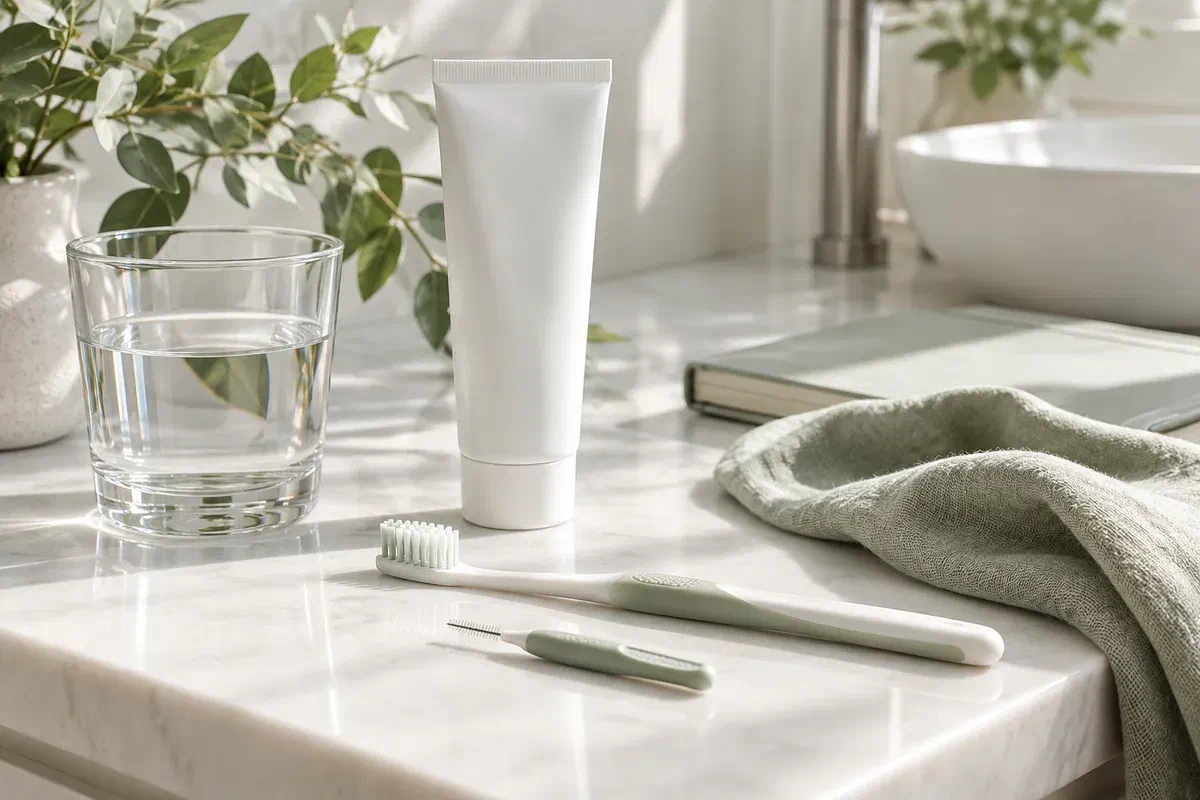
Toothbrush, interdental brush, toothpaste, water, and notebook illustrating a personal care routine
Changes worth mentioning

Has something shifted since your last visit?

Share the symptoms that keep coming back and the life or health changes around them. The examination helps distinguish what is truly contributing from what only seems connected.

New cavities after years without any

Decay appearing after a long quiet stretch can be linked to reduced saliva, changes in snacking, different fluoride exposure or cleaning that has become harder. A filling fixes the tooth itself. The plan addresses whatever changed.

Gums that feel sore or bleed more easily

Dryness and health changes can make gums more tender, and plaque may build up faster. You may need a softer approach at home and a closer eye from the hygienist. Where gum disease is already established, it can need treatment of its own.

A new medicine or diagnosis

Many common medicines list dry mouth as a side effect, and conditions such as diabetes can also be relevant to oral health. Mention any recent change, even if your teeth feel fine. Your routine from last year may need adapting.

Bring a current list of medicines and the dental products you use. We can explain how each fits without pushing a costlier or more complicated routine.

Why personal matters here

A drier mouth needs a different kind of help.

A risk assessment tallies your protective factors, saliva being an important one, against factors that may encourage disease. When saliva drops, the balance can change, and the assessment may show which teeth or surfaces are now more vulnerable. It is a basis for decisions and later comparison, not a certain prediction.

Personal also means comfortable. Some products sting a dry mouth, and some routines are hard to keep when you feel unwell. Perhaps a suggestion is beyond your budget, burns when you use it, or clashes with a calendar already full of medical appointments. Say so. Knowing why it was suggested helps us look for something gentler or simpler that still does the job.

Patient information: American Dental Association — caries risk and prevention

Focused changes rather than a pile of products

Ask which adjustment matters most for a drier mouth and why. One well-chosen step is easier to keep than a shelf of rinses, sprays and pastes with overlapping purposes.

Professional measures with a clear reason

Fluoride varnish, cleanings and the timing of reviews should respond to your findings. Ask what each is meant to protect. You may not need every option available.

Adjustment as your health changes

When medicines are changed or a condition settles, your plan can be revisited. Keep us informed. Prevention is reviewed alongside your wider care rather than fixed in place.

Adapting your plan

Medicines, mouth and routine, considered together

Tell us how things really are between visits, including when dryness is worst and which steps you skip when you feel tired. Specifics help more than a perfect description.

  1. Review health, medicines and history

    We go through your dental history, current medicines and any recent diagnoses, along with your routine. Mention when your mouth feels driest and when you eat or drink. We consider patterns without assuming one cause explains every finding.

  2. Examine for signs of change

    The dentist looks for new decay, gum changes, irritation and areas needing extra protection, adding records when they are clinically useful. Ask which findings are active problems, which are risks and which only need watching.

  3. Choose measures that suit a dry mouth

    The plan may include technique adjustments, fluoride care, professional cleaning or protection for particular teeth, chosen with comfort in mind. Before you go, we can show you how to use anything new and write down when to use it.

  4. Coordinate and review

    We agree on a review date and what to compare. If your prescriber changes a medicine, let us know. When something is not helping, we look into why and adapt rather than repeat the same advice.

Daily care with less saliva

Gentle, regular and easy to repeat

Keep your routine simple enough to manage even on days when you feel unwell. Use what was recommended for your mouth, and ask us before trying a new treatment product for dryness.

Keep fluoride and cleaning consistent

Fluoride matters more, not less, when saliva is low. Keep up your fluoride-toothpaste brushing and the between-teeth cleaning we practised, especially around the spots we pointed out. If a paste or rinse stings, tell us; a milder version may exist, and stopping everything would leave teeth unprotected.

Notice when dryness peaks

Pay attention to times when your mouth feels driest, and to any habit of sucking sweets or sipping sugary drinks for relief. Share what you notice. Water is usually a safer choice for frequent sipping, and any advice should fit your medical guidance.

Keep us updated

Tell us about medicine changes, new diagnoses or a new appliance. At your review, describe which steps you managed on bad days as well as good ones. That way, the dentist can tell whether a product failed or whether it was simply too uncomfortable to keep using.

Patient information: American Dental Association — home oral care

Ways to protect a changing mouth

Habits, protection and treatment working together

Your plan may draw on several approaches. Each should have a clear role, and you should know which steps start now, which are optional and which will be revisited.

When home care can make the biggest difference

Routine and comfort support

Guidance may focus on gentle cleaning of sensitive areas, a suitable interdental tool or avoiding frequent sugary lozenges for dryness. It should be clear enough to follow. Ask how to adapt the routine during illness, hospital stays or travel.

When the assessment supports more prevention

Additional protection

Fluoride varnish, a higher-fluoride toothpaste or other measures may be considered for teeth at increased risk. You should hear what each is expected to do, where it falls short and when it will be checked. Protection helps sound enamel; it cannot rebuild a tooth that has already broken down.

When decay or gum disease is present

Prevention during treatment

A cavity or gum problem may need treatment while prevention tackles the drier conditions behind it. Ask how the two fit together and what review follows. Fixing a tooth does not change the risk that caused the damage.

Dry mouth and prevention in Georgetown

Questions when your mouth feels different

Dryness raises practical questions, from what to sip to what to tell your doctor. Your dental team, physician and pharmacist each have a part to play, and the advice from all three should fit together.

(905) 876-4488
How do I know whether my mouth is drier than normal?
Signs can include a sticky or burning feeling, needing water to swallow dry food, waking with a dry mouth or changes in taste. Describe what you notice to the team. They can examine your mouth and discuss whether prevention needs adjusting.
Are saliva substitutes or dry-mouth rinses worth trying?
Some people find them helpful for comfort. Ask the dentist or your pharmacist which products are suitable, especially if you have other health conditions. They relieve symptoms but do not replace fluoride and cleaning.
Can sucking on candies help with dryness?
Frequent sugary candies or lozenges can raise the risk of decay. If you use something to stimulate saliva, ask whether a sugar-free option suits you. Sipping water is often a safer habit.
Should my dentist know every medicine I take?
Yes. Many medicines can affect the mouth, and some are relevant to dental treatment. Bring an up-to-date list, including over-the-counter products and supplements, to every visit.
Will a higher-risk result mean I need more fillings soon?
Not necessarily. A risk rating describes the chance of future decay rather than a fixed outcome. Existing problems are assessed separately. Prevention and review help show whether the plan is lowering that risk.
Can I ask my doctor to change a medicine because of dry mouth?
You can raise it with your physician, who will weigh it against your medical needs. Do not stop or change a medicine yourself. Meanwhile, the dental team can help protect your teeth and gums while you discuss options.
Prevention planning for Georgetown

Let’s adjust your care to fit how you are now.

Persistent dryness, a surprise cavity or gums that suddenly feel tender are all good reasons to call our Bronte Street practice. Bring your medicine list and any products you have been trying. After an examination, we will explain what may be contributing and agree on a plan you can manage, with a date to see how it is going.

If a tooth is already aching or a sore has appeared, mention it on the phone so we can allow time to look at it properly during the visit.

Visit Milton Dental Clinic
Unit 1, 342 Bronte St. S, Milton, ON L9T 5B7
Get directions Clinic hours
Monday–Thursday
11am–7pm
Friday–Sunday
By appointment only

Areas we serve

  • Milton
  • Oakville
  • Mississauga
  • Georgetown
  • Halton Hills
  • Acton
  • Campbellville
  • Brampton
  • Burlington
  • Puslinch
  • Rockwood
  • Erin
  • Caledon
  • Etobicoke
  • Old Milton
  • Bronte Meadows
  • Timberlea
  • Dorset Park
  • Dempsey
  • Clarke
  • Beaty
  • Coates
  • Harrison
  • Scott
  • Willmott
  • Ford
  • Bowes
  • Cobden
  • Walker
  • Mountain View
  • Milton Heights
  • Hawthorne Village
  • Valley View
  • Fallingbrook
  • Nassagaweya
  • Trafalgar
  • Esquesing
  • Nelson
  • Brookville
  • Moffat
  • Glen Williams
  • Norval
  • Limehouse
  • Stewarttown
  • Ashgrove
  • Hornby
  • Silver Creek
  • Speyside
  • Scotch Block
  • North Oakville
  • River Oaks
  • Glen Abbey
  • West Oak Trails
  • Palermo
  • Bronte Creek
  • College Park
  • Joshua Creek
  • Uptown Core
  • Preserve
  • Iroquois Ridge
  • Lisgar
  • Meadowvale
  • Meadowvale Village
  • Churchill Meadows
  • Erin Mills
  • Central Erin Mills
  • Streetsville
  • East Credit
  • Creditview
  • Heartland
  • Sheridan
  • Mount Pleasant
  • Credit Valley
  • Huttonville
  • Churchville
  • Springbrook
  • Northwest Brampton
  • Bram West
  • Fletcher's Meadow
  • Fletcher's Creek South
  • Alton Village
  • Orchard
  • Millcroft
  • Headon Forest
  • Tansley
  • Brant Hills
  • Tyandaga
  • Kilbride
  • Lowville
  • Aberfoyle
  • Morriston
  • Arkell
  • Hillsburgh
  • Freelton
  • Carlisle
  • Waterdown
  • Flamborough
  • Mountsberg

How can we help?

Milton Dental Clinic

Have a question about your smile? Choose the option that works best for you.

For urgent dental concerns, please call.
Messages are reviewed during clinic hours.