How much buildup you notice
Roughness behind the front teeth or around molars may signal tartar. Let us know where, and how long since your last cleaning. Leave scraping tools alone at home; they can damage gums and teeth without fixing the issue.


A longer trip rewards a well-planned visit. When you come from Etobicoke, we aim to make each cleaning count: clear assessment, careful tartar removal, and a follow-up schedule you can realistically keep.
When the drive is a commitment, nobody wants an appointment that ends with “we’ll need to see you again” for something that could have been planned. Good preparation helps. Tartar forms when plaque hardens, and it needs professional removal, but how much time that takes depends on your gums and how long it has been.
So tell us as much as you can before the day: when you last had a cleaning, whether gums bleed or feel sore, any sensitivity, and what dental work you have. That lets us book a realistic slot. We will still assess first, because a maintenance cleaning and treatment for gum disease are different services, and the second may need more than one visit.
Being comfortable matters on any day, and more so after a long drive. Mention earlier visits that were hard and agree on a pause signal. Ask what each instrument does. Before you head back to Etobicoke, you should know what was completed and how to keep things healthy until next time.
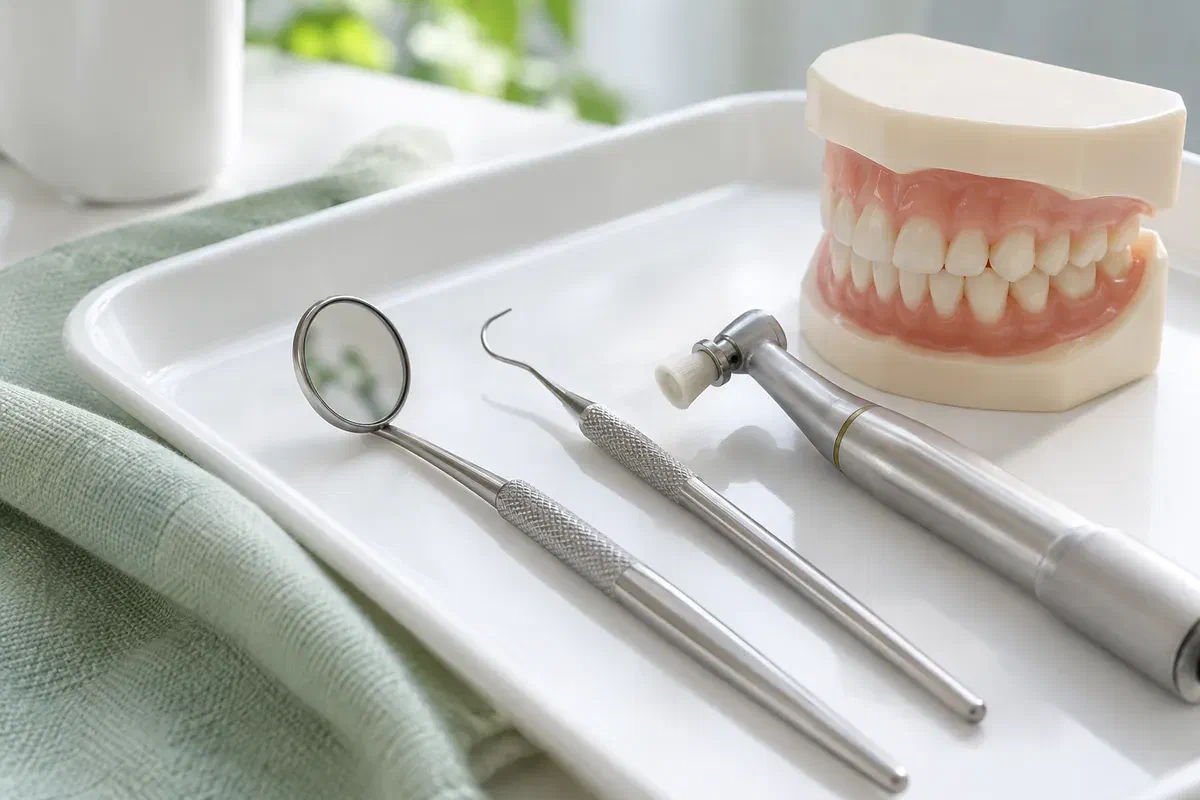
Colour is only one clue. Gum symptoms, dental work and past experiences shape how long the visit takes and what we recommend.
Roughness behind the front teeth or around molars may signal tartar. Let us know where, and how long since your last cleaning. Leave scraping tools alone at home; they can damage gums and teeth without fixing the issue.
If gums bleed, feel sore or teeth react to cold, mention it when booking. These details help us estimate time, plan for comfort and judge whether a regular cleaning or gum assessment should come first.
Surface stain may lessen with cleaning, but colour from crowns, fillings, natural shade or deeper changes behaves differently. Ask what the discolouration is and what cleaning can be expected to change.
Send or bring an updated medication list, including blood thinners, plus any medical advice or recent changes. Keep taking prescribed medicine as directed; do not alter it yourself ahead of a cleaning.
Professional instruments remove hardened deposits your toothbrush and floss cannot. Plaque and tartar are involved in gum inflammation, so the cleaning supports gum health as well as a smoother feel. What we find in the gums guides how extensive the cleaning is and whether extra visits are needed.
Some surface stain may soften, though a cleaning will not produce perfectly even white teeth. It also cannot repair decay, replace a failing restoration or restore lost bone. We will tell you clearly which findings were dealt with and which need their own appointment, so you can plan travel around them.
Patient information: NIDCR — plaque, tartar, and gum health
We identify where deposits are and use techniques suited to each surface and the surrounding tissue. Tell us about crowns, implants or bridges that may not be in your file, so they are protected too.
If recall visits are spaced out, home care carries more weight. When one area keeps building up, we can show you a specific aid or angle that reaches it, which beats a vague instruction to brush harder.
After cleaning, we can review gum response and comfort. The next step might be routine maintenance or a short focused check. Ask why that interval was chosen, what would justify returning sooner, and how to combine visits where sensible.
Length depends on the findings. Ask what is planned for this visit and whether further assessment or another cleaning appointment may be required.
We go over symptoms, health information, buildup and gum condition. Updated X-rays or an exam may be advised, and where possible we try to do them on the same day. A pause signal is agreed before work begins.
Hand instruments or an ultrasonic scaler may be used, sometimes both. You might feel pressure, a fine vibration or water. Speak up about discomfort and we will stop to discuss and adapt.
Polishing can tackle selected surface stain. It is not whitening and seldom the main event. If fluoride or another preventive product is used, we explain its purpose and the instructions to follow on your way home.
We explain what you may feel over the next day, show suitable cleaning tools and outline the next appointment. If gum treatment is recommended, we describe how it differs from today and how visits might be grouped.
Follow any instructions tied to a specific product or treatment. Guidance changes if you had freezing, gum therapy or another procedure.
Brush with fluoride toothpaste and clean between teeth with the aids we suggested. Resist using a metal scraper on any roughness left behind. Call us to discuss a stubborn area rather than trying to fix it yourself.
Some temporary tenderness or cold sensitivity can happen after cleaning. Follow the advice you received and contact us if discomfort is increasing, significant or not settling. Do not assume every new symptom is due to the cleaning.
Varnishes and other applied products have their own eating and drinking instructions; follow those. Keep the review date we set and let us know about ongoing bleeding or changes.
Travel adds its own questions to the usual ones about instruments, tenderness and discolouration. We would rather answer them before you set out than after you arrive, and every answer should tie back to what your own exam shows.
Contact our Bronte Street practice to arrange a cleaning, discuss buildup or stain, or plan your next maintenance visit. Mention bleeding, sensitivity or past difficulties when booking. We will assess your needs and explain care and follow-up.
The type of cleaning and appointment length depend on assessment. Call about new pain or swelling so the right examination can be arranged before you travel.
