Areas that feel rough
Point out spots where you feel ridges or grit, often near the gumline. That helps us focus. Please do not scrape them yourself with a metal tool, which can hurt the gum and scratch the tooth.

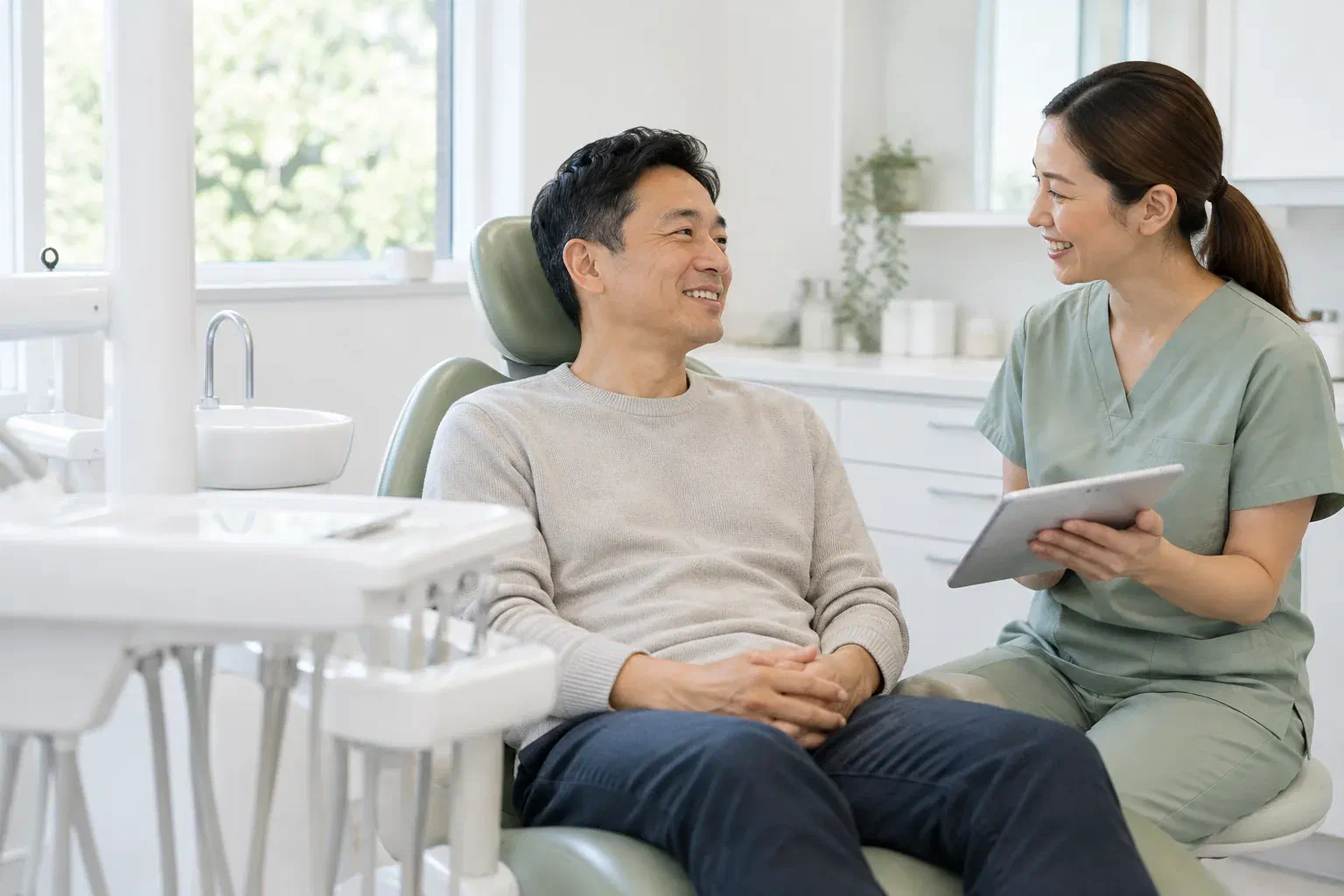
Put off cleanings because the last one was rough? From Halton Hills, you can come in for a visit that goes at your pace, explains each step, and still removes the buildup your gums need gone.
Plenty of people delay a cleaning because of one bad memory: a sore session, a hygienist who never paused, a scraping sound that stuck. Meanwhile, plaque keeps hardening into tartar, which no brush will shift. Coming back after a gap is easier when you know the visit will be paced around you.
Start by telling us what went wrong before. Was it pain, the noise, the feeling of not being in control, or gums that bled and stung? Families across Halton Hills, from Georgetown and Acton to Glen Williams, often mention sensitivity too. All of this helps us plan, and helps decide whether routine maintenance fits or gum treatment needs a separate discussion.
Then we agree on a signal, usually a raised hand, and we honour it. Ask what any instrument is doing and why. Short breaks are fine. You should leave understanding what was cleaned, what was found, and how to keep those areas healthy so the next appointment feels easier.
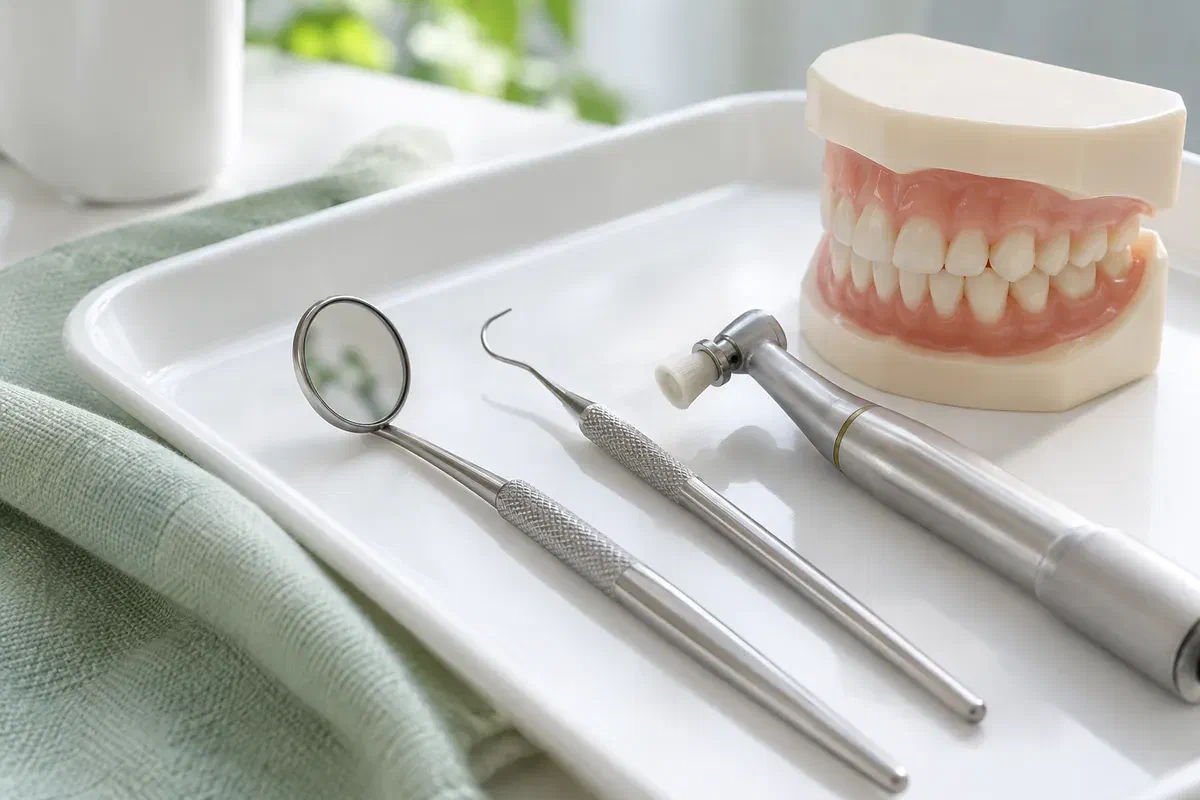
Appearance gives us some clues. How your gums feel, the work in your mouth and how earlier visits went matter just as much.
Point out spots where you feel ridges or grit, often near the gumline. That helps us focus. Please do not scrape them yourself with a metal tool, which can hurt the gum and scratch the tooth.
Soreness, bleeding with brushing and cold sensitivity can make cleaning less comfortable. Mention them early so we can plan comfort measures, check the gums properly and judge whether a standard cleaning suits.
Some people avoid visits because of stain they are embarrassed by. Surface stain may be reduced; colour from fillings, crowns or the tooth itself is different. There is no judgment, only an honest explanation of what cleaning can change.
Update your health and medication details, including blood thinners, any physician advice and recent changes. If you take medication for anxiety, mention it, but do not change any prescribed medicine on your own for a cleaning.
Professional cleaning takes off hardened deposits that home care cannot. Plaque and tartar contribute to gum inflammation, and inflamed gums are often more tender to clean. Keeping up with visits can help gums stay healthier, which may make later appointments more comfortable. Your gum findings set how far the cleaning goes.
Some surface stain may lighten during a visit, yet no cleaning promises uniformly white teeth. It cannot repair decay, replace broken fillings or rebuild lost bone. We will explain which findings this visit handles and which belong to a separate conversation, at a pace that suits you.
Patient information: NIDCR — plaque, tartar, and gum health
We locate deposits and choose techniques that suit each surface and the gum nearby, which can shorten time in sensitive areas. Mention implants, crowns or bridges not already on record.
If one area keeps building up, we can show you a practical way to reach it at home. Less tartar at the next visit often means less time in the chair.
After treatment, we can recheck your gums and how comfortable the visit was. The next appointment may be routine or a short review. Ask why an interval is suggested and what would justify coming earlier.
How long the visit lasts depends on the findings. Ask what today covers, and whether more assessment or another short appointment would suit you better.
We review symptoms, health updates, buildup and gum condition, and listen to what worried you before. Records or a fuller exam may be needed. The pause signal is agreed before anything touches your teeth.
The hygienist may use hand instruments, an ultrasonic scaler or both. We can describe each sensation before it starts: pressure, buzzing or water. Raise your hand at any point and we will stop, talk and adjust.
Polishing may help with some surface stain but is optional and not whitening. If fluoride or another product is offered, we explain why, so you can decide with the facts.
We tell you what you might feel later and show tools suited to your teeth. If gum treatment is suggested, we explain how it differs from today and talk about ways to make those visits comfortable too.
Instructions for any specific product or treatment take priority. Guidance changes if freezing, gum treatment or another procedure was included.
Use fluoride toothpaste and the interdental aids we suggested, gently. Do not try to remove leftover roughness with picks or scrapers from home. If a spot still bothers you, we would rather check it.
Gums can ache a little, or teeth feel sharper with cold, for a day or so. That is more likely where inflammation or buildup was heavier. Stick to what the hygienist suggested, and phone us if it is worsening, feels significant or simply is not easing. Something new is not always down to the cleaning.
After fluoride varnish or a similar application, follow the timing given for that product before eating or drinking. Keep your review and tell us about persistent bleeding or other changes.
If something about cleaning makes you uneasy, bring it up. We would rather talk it through and plan around it than have you avoid care.
Phone our Bronte Street practice if you would like a gentler first visit after a long gap, or want to talk about buildup or stain. Tell us about anxiety, bleeding or sensitivity when you book. Nothing starts until you know what is planned, and we explain as we go.
What the cleaning involves and how long it takes depend on assessment. A tooth that has started aching, or any swelling, is worth mentioning so we can book an examination as well.
