

Illustrative conversation during a return dental checkup
General & Family Dentistry

Recall Dental Examinations in Old Milton

Teeth carry a long history, much like the older streets of Old Milton. A recall visit compares where things stand now with earlier findings, so fillings, gums and watched areas are judged over time.

Checkups with a long view

Your mouth has a story. Each recall adds a page.

Many people in Milton’s historic downtown have had the same fillings, crowns or bridges for years. A recall examination is where that history earns its keep. After an earlier assessment, the dentist returns to see what is the same, what is different, and whether past advice still fits.

Comfort counts for something, yet a tooth that feels normal can still have a worn margin or a gum pocket that has changed. Looking back across previous findings helps separate slow, expected change from something that deserves a closer look now.

Newcomers to Old Milton benefit too, especially if earlier records can be shared. Either way, the visit should end with plain answers: what is holding steady, what may need treatment, and the reason your next checkup is suggested for a particular season rather than a habit.

Schedule a recall visit
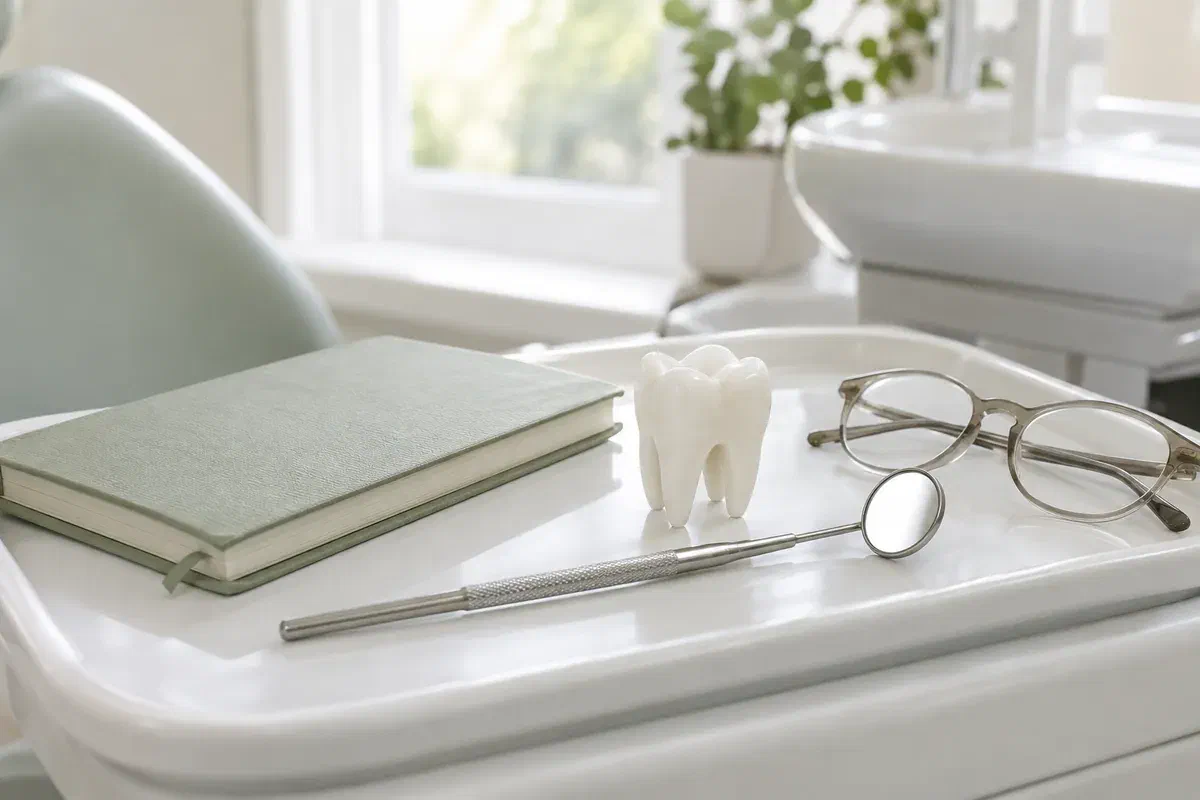
Illustrative dental mirror, tooth model, and notebook for an examination
Worth raising at your visit

Old work, new feelings, and anything in between

Records explain where you started. What you have felt and any shift in your health since the last appointment explain where to focus this time.

A long-standing filling or crown feels different

Notice a ledge your tongue keeps finding, a bite that feels higher on one side, or sensitivity near an older restoration? Describe how often it happens and whether it has become more noticeable. You do not have to make it happen during the exam for it to be useful.

New medicines or health changes

Prescriptions, a new diagnosis, a drier mouth or stiffer hands that make brushing harder can all be relevant. Please bring a current list of medications if anything has changed. These details can alter which questions the team asks and how prevention is approached.

Something that was flagged before

Remind us about any tooth, gum area or piece of dental work that was mentioned at an earlier visit, and say whether it has behaved differently since. Keeping watch on something should always have a stated purpose, so you understand what would change the advice.

If a new concern turns up in the meantime, call instead of saving it for your recall. The team can talk through whether a sooner, focused appointment or urgent care is the better fit.

The value of looking again

Patterns show up when visits are connected.

Continuing care means recommendations can follow your own findings and risk, not a one-size calendar. As your mouth or general health changes over the years, the gap between visits may change with it. You are welcome to ask what supports the interval suggested for you, and whether a separate treatment discussion is needed.

Even careful, regular checkups cannot guarantee that nothing is missed or that a problem will never start afterward. The recall is one piece of ongoing care, together with your habits at home, any treatment that is advised, and paying attention to new symptoms. Good explanations help you act on what you hear.

Patient information: CDA — continuing care and individualized recall

Comparing then and now

Previous notes and records can offer a reference point where they are relevant. Ask the dentist whether something is new, unchanged since last time, or still uncertain. If watching a little longer or another test is proposed, ask what that is meant to clarify.

Prevention that fits this stage of life

Routines that suited you a decade ago may not suit you now. Let us know if a product is awkward, if a flossing method has never quite worked, or if your grip has changed. Honest feedback helps the team suggest something more manageable.

Knowing what comes first

With several findings on the table, it helps to know which should be tackled soon and which can be reviewed later. Ask about the purpose, alternatives and timing of each item so you can plan without assuming that all of them are equally urgent.

What the visit looks like

Four steps from catching up to a clear plan

What your appointment includes depends on your needs and how it was booked. Ask in advance whether cleaning, X-rays or a separate treatment appointment are included or might be recommended.

  1. Updates first

    Begin by telling the team what has changed and the question you would most like answered. Your medical history and past recommendations are reviewed. Some people find a handwritten list helps them remember everything once they are in the chair.

  2. A careful examination

    The dentist checks your teeth, gums and existing restorations with your history in mind. Mention any tenderness, or if keeping your mouth open for long is uncomfortable. If you are curious about what a particular check involves, just ask.

  3. Considering further records

    Images or other tests may be suggested when they are likely to help answer a specific question about your mouth. They are not automatically repeated at every recall. Ask what a new record would show and whether recent existing ones are enough.

  4. Agreeing on follow-up

    Talk through what was found, any choices about treatment, and when further care is advised. Ask which warning signs mean you should call before your next checkup. Make sure you know which upcoming visit is routine and which, if any, is for a specific concern.

In the months ahead

A clear note, a steady routine, and a phone call when needed

There is usually nothing special to recover from after an examination on its own. If you also had a cleaning, fluoride or treatment, follow the separate guidance for that care.

Keep one note of the plan

Record what was suggested and the reason for it, especially if several visits are involved. Ask about any unfamiliar word before you try to arrange appointments around it. Understanding why you are coming back is more helpful than knowing just when.

Carry on with your home care

Use the brushing and between-teeth cleaning advice discussed for your mouth. If arthritis, a new appliance or anything else makes it harder, mention it now rather than at the next exam. A different tool or a short demonstration can make a real difference.

Ring us if things change

Pain that is new, swelling, a crown or filling that breaks, or a mouth change that lingers should prompt a call. Mention your upcoming recall, but do not assume that date still suits the situation. The concern may call for another type of assessment.

Matching the visit to the reason

Routine, focused, or follow-up: which one do you need?

Tell the team why you are calling when you book. The appointment should suit the assessment required, rather than echo whatever your last visit was called.

For ongoing oral health review

Regular recall examination

This appointment brings the overall picture up to date, looks again at prevention and watched areas, and sets your next interval. Other care may be arranged alongside it when appropriate. Ask what is planned so the visit holds no surprises.

When something new has come up

Problem-focused examination

A cracked tooth, pain in a particular spot, or fresh swelling may need assessment before your recall is due. Explain the symptom and when it began. The team can suggest a sensible next step rather than simply bringing your routine date forward.

When healing or response needs checking

Review after treatment

Certain treatments come with a planned follow-up to see how you are responding or to answer a question about the work. That visit can have a different aim and timing from your regular exam. Ask whether you need both and what each will look at.

Old Milton recall questions

Answers for returning patients

A checkup you have had many times can still prompt fresh questions about older dental work, records and how this visit differs from others.

(905) 876-4488
Will my older fillings and crowns be checked at every recall?
Existing dental work is part of what the dentist reviews, with attention to your history and any symptoms you mention. If a particular restoration worries you, point it out. Ask whether anything has changed and what would suggest it needs attention.
My dentist of many years has retired. Can my records be sent over?
Ask your previous office how to request a copy or transfer, and let our team know when you book. Earlier records can help with comparison. If some are unavailable, the examination can still go ahead using what is found today.
Do I still need recall visits if I wear a partial denture?
Yes, it is worth discussing with the dentist. Remaining teeth, gums and the fit of the appliance can all be reviewed. Bring the denture to your appointment and mention any rubbing, looseness or sore spots you have noticed.
Why was my recall interval changed when it has been the same for years?
Findings, past problems or changes in your health and home care can shift what is recommended. Ask which factor changed and what the next visit will focus on. The schedule should follow your needs, not simply stay where it has always been.
Can someone come with me to help remember what the dentist says?
Mention this when you book. Having a family member or friend along can help with questions and notes. You can also ask for the key points to be repeated or written down before you leave.
What does it mean if something is ‘being monitored’ in my chart?
It means there is a specific area the dentist wants to review again. Ask what it is, whether it has changed, and what would lead to treatment. Monitoring does not mean ignoring new symptoms between appointments; call if anything develops.
Return visits for Old Milton

Come back in, and let’s compare notes.

Our Bronte Street practice is close to Milton’s historic downtown. Call to arrange your recall examination, and mention any new symptoms, dental work done elsewhere, or health changes so the right visit can be planned.

Each person’s recall timing is decided individually. If new pain or swelling starts, let us know right away, whatever your next booked date.

Visit Milton Dental Clinic
Unit 1, 342 Bronte St. S, Milton, ON L9T 5B7
Get directions Clinic hours
Monday–Thursday
11am–7pm
Friday–Sunday
By appointment only

Areas we serve

  • Milton
  • Oakville
  • Mississauga
  • Georgetown
  • Halton Hills
  • Acton
  • Campbellville
  • Brampton
  • Burlington
  • Puslinch
  • Rockwood
  • Erin
  • Caledon
  • Etobicoke
  • Old Milton
  • Bronte Meadows
  • Timberlea
  • Dorset Park
  • Dempsey
  • Clarke
  • Beaty
  • Coates
  • Harrison
  • Scott
  • Willmott
  • Ford
  • Bowes
  • Cobden
  • Walker
  • Mountain View
  • Milton Heights
  • Hawthorne Village
  • Valley View
  • Fallingbrook
  • Nassagaweya
  • Trafalgar
  • Esquesing
  • Nelson
  • Brookville
  • Moffat
  • Glen Williams
  • Norval
  • Limehouse
  • Stewarttown
  • Ashgrove
  • Hornby
  • Silver Creek
  • Speyside
  • Scotch Block
  • North Oakville
  • River Oaks
  • Glen Abbey
  • West Oak Trails
  • Palermo
  • Bronte Creek
  • College Park
  • Joshua Creek
  • Uptown Core
  • Preserve
  • Iroquois Ridge
  • Lisgar
  • Meadowvale
  • Meadowvale Village
  • Churchill Meadows
  • Erin Mills
  • Central Erin Mills
  • Streetsville
  • East Credit
  • Creditview
  • Heartland
  • Sheridan
  • Mount Pleasant
  • Credit Valley
  • Huttonville
  • Churchville
  • Springbrook
  • Northwest Brampton
  • Bram West
  • Fletcher's Meadow
  • Fletcher's Creek South
  • Alton Village
  • Orchard
  • Millcroft
  • Headon Forest
  • Tansley
  • Brant Hills
  • Tyandaga
  • Kilbride
  • Lowville
  • Aberfoyle
  • Morriston
  • Arkell
  • Hillsburgh
  • Freelton
  • Carlisle
  • Waterdown
  • Flamborough
  • Mountsberg

How can we help?

Milton Dental Clinic

Have a question about your smile? Choose the option that works best for you.

For urgent dental concerns, please call.
Messages are reviewed during clinic hours.