

Illustrative patient describing tooth sensitivity during a dental conversation
General & Family Dentistry

Treatment for Sensitive Teeth

A sharp response to cold, brushing, or sweet foods deserves an explanation. Explore treatment for sensitive teeth in Milton, starting with the pattern of your symptoms and an assessment of what is causing them.

A closer look at sensitive teeth

Understand the sharp feeling before choosing the treatment.

Sensitivity is a description of what you feel, not a diagnosis. One person notices a brief twinge when drinking cold water; another has pain that continues after the drink is gone. The location, trigger, and duration all help the dentist investigate the cause and decide what care is appropriate.

At Milton Dental Clinic, we begin by listening to that pattern and examining the teeth and surrounding tissues. Exposed dentin may be involved, but decay, a damaged tooth, a restoration problem, or another condition can also cause discomfort. Choosing a sensitive-tooth toothpaste without understanding the cause may leave an underlying problem unaddressed.

You do not need to keep provoking the pain to prove it is real. Describe what happens during ordinary eating, drinking, or brushing, and tell us whether it is changing. The goal is a clear explanation, a treatment plan that fits the findings, and guidance about what improvement or further review should look like.

Discuss your tooth sensitivity
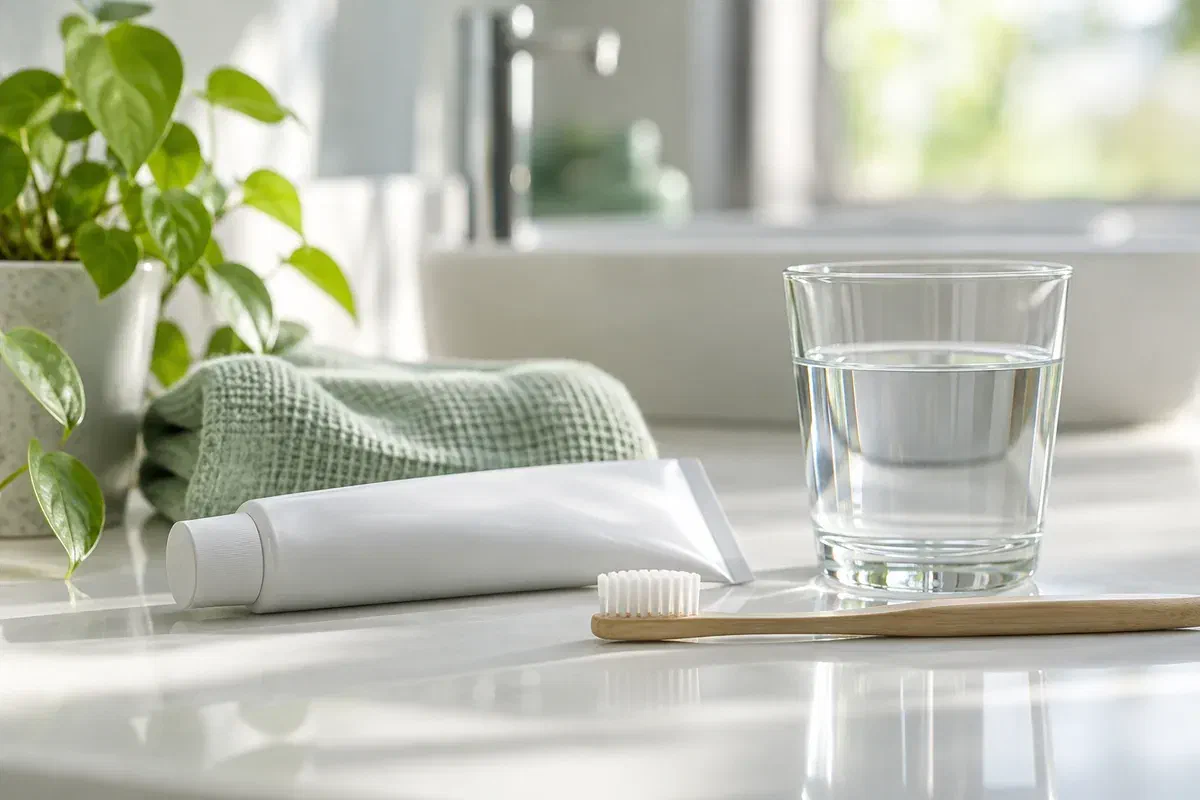
Illustrative soft toothbrush, toothpaste, and drinking water for gentle daily care
Describe the pattern

The details help separate similar-feeling problems.

Think about where the discomfort occurs, what starts it, and how long it lasts. Report symptoms accurately rather than trying to label the condition yourself.

A brief response to temperature or touch

Mention cold drinks, air, brushing, or another repeatable trigger. Tell us whether several teeth respond or one area stands out. A short twinge can still deserve assessment, particularly when it is new, increasing, or making you avoid normal cleaning.

Pain that lingers or happens without a trigger

Explain if pain continues after the stimulus stops, interrupts sleep, or appears on its own. These features may change the urgency and investigation needed. Do not assume that stronger toothpaste is the next step when the symptom pattern has become more persistent.

Discomfort after a recent change

Tell the dentist about recent dental treatment, whitening, a new oral-care product, an injury, or a change in biting comfort. The timing can provide useful context. It does not establish the cause by itself, so the affected area still needs appropriate assessment.

Call promptly about swelling, significant biting pain, a broken tooth, or worsening symptoms. If you already have a routine checkup booked, mention the new problem so the team can discuss whether an earlier or different appointment is needed.

Why the cause comes first

Aim for an appropriate response, with a way to judge progress.

When dentin loses some of its protective covering, stimuli can produce sensitivity. Other conditions can create similar symptoms, which is why the examination matters. Care may involve a home product, a professional surface treatment, or treatment of a specific dental problem rather than one universal solution.

Relief is not guaranteed to be immediate or permanent. Ask what the selected approach is intended to change, how to use it, and when the response should be reviewed. A plan should also explain what to do if the discomfort persists or develops a different pattern.

Patient information: ADA MouthHealthy — sensitive teeth and possible causes

Less guesswork about products

Bring the names of toothpastes, rinses, or whitening products you have tried and describe the result. That information helps avoid repeating an unsuccessful approach without a reason. Ask whether the next product serves a different purpose or needs a different method of use.

Attention to the underlying finding

If the examination identifies decay, a damaged restoration, or another concern, discuss treatment for that problem directly. Managing the sensation alone may not address it. Ask the dentist to connect each recommendation with the finding it is intended to treat.

A manageable daily routine

Avoiding brushing because it hurts can make care difficult. Tell us where the routine breaks down so technique and suitable tools can be discussed. The plan should make ongoing cleaning more practical while the cause and treatment response are being reviewed.

Your sensitivity assessment

Listen to the symptoms, investigate, and choose the next step.

The tests and treatment depend on the findings. Tell us if you are worried about provoking discomfort so the examination can be explained before each relevant step.

  1. Build a clear symptom history

    Describe the first episode, usual triggers, location, and duration. Mention spontaneous pain, sleep disruption, and recent dental work. If the discomfort is hard to locate, say so; you do not need to identify an exact tooth before asking for help.

  2. Examine the teeth and supporting tissues

    The dentist checks relevant surfaces, restorations, gum areas, and other findings. Appropriate tests or imaging may be discussed to clarify the source. Ask what each test can show and tell the clinician promptly if you need a pause.

  3. Explain the likely cause and options

    Review what has been established and any remaining uncertainty. If a conservative approach is suitable, clarify how it will be used and monitored. If another dental problem needs treatment, ask about the available options, their limitations, and the proposed timing.

  4. Set the instructions and review point

    Confirm the home routine, any professional treatment provided, and when to report progress. Ask which changes should prompt an earlier call. A planned trial should have a purpose and a review point rather than continue indefinitely while symptoms remain unexplained.

Caring for sensitive areas

Keep care gentle and follow the plan consistently.

Use the advice given for your diagnosis and the actual product or procedure involved. Instructions after a restoration may differ from those for a desensitizing toothpaste.

Avoid repeated testing and aggressive scrubbing

Do not repeatedly expose the tooth to ice or another painful stimulus to check whether it has improved. Use a soft brush and the technique discussed, without pressing harder on the sensitive area. Report difficulty cleaning so the method can be reviewed.

Use recommended products as directed

A desensitizing toothpaste may need repeated use before its effect can be assessed. Follow the product and clinician instructions rather than combining several treatments or applying them more often. Ask what to do with whitening products if they appear linked to the symptoms.

Notice meaningful changes

Keep a simple record if it helps: the usual trigger, how long discomfort lasts, and whether daily activities are easier. You do not need to test the tooth deliberately. Contact the clinic if pain worsens, starts occurring without a trigger, or fails to improve as expected.

Choosing a treatment approach

Match the care to the source of the discomfort.

Ask what each option is intended to accomplish. Treatment for exposed dentin, a structural problem, and disease inside a tooth can involve very different decisions.

When the findings support conservative care

A suitable desensitizing approach

The dentist may recommend a home product or professional application for an appropriate sensitive surface. Discuss its use, limitations, and review interval. This approach should follow assessment rather than be used to explain away persistent or changing pain.

When a tooth or restoration needs treatment

Repair or protection of a specific area

Decay, damage, or a restoration problem may call for a repair or another protective measure. The choice depends on the condition and amount of tooth structure involved. Ask why that treatment is recommended and what alternatives are reasonable.

When the diagnosis calls for additional care

Further tooth or gum treatment

Some findings require a separate discussion about gum treatment or care inside the tooth. Referral may be considered where appropriate. Root canal treatment is not a routine response to every sensitive tooth; it depends on the diagnosis and available options.

Questions about sensitive teeth

Get an explanation that fits your particular symptoms.

Ask about triggers, products, recent treatment, and the expected review. The same word, sensitivity, can describe more than one dental problem.

(905) 876-4488
If sensitive-tooth toothpaste helps, does that prove I do not have a cavity?
No. A change in symptoms does not establish the diagnosis or rule out another problem. Arrange assessment of new or unexplained sensitivity, and tell the dentist what product you used and how it helped. The findings determine whether additional care is needed.
Why does the dentist ask how long pain lasts after a cold drink?
The duration is one part of the symptom pattern used to guide assessment. A brief response and discomfort that continues afterward may lead to different questions or tests. Describe the timing as well as you can, without repeatedly drinking cold water to measure it.
Can I keep whitening while waiting to have sensitivity assessed?
If whitening appears to trigger discomfort, stop the product and seek advice before continuing. Tell the dentist which product and schedule you used. Persistent symptoms should be assessed rather than managed by increasing desensitizing products while continuing the same whitening routine.
Is sensitivity after a filling always something that will settle on its own?
Some sensitivity can occur after treatment, but the pattern and progress matter. Follow the treating clinician’s advice and report worsening, lingering, or significant biting pain. Do not assume that every symptom after a filling has the same cause or expected recovery.
Should I switch to brushing only the teeth that do not feel sensitive?
Avoiding the affected area is not a useful long-term plan. Ask for assessment and a comfortable cleaning method suited to the findings. Describe exactly where brushing hurts so the team can discuss technique and treatment instead of leaving that area without routine care.
Does one sensitive tooth mean I will need root canal treatment?
No. Sensitivity alone does not establish a need for root canal treatment. The dentist considers the history, examination, and relevant tests before discussing options. Ask what has been diagnosed and why any proposed treatment is appropriate for that particular tooth.
Treatment for sensitive teeth in Milton

Let’s find out what your teeth are responding to.

Contact our Bronte Street practice to describe your sensitivity and arrange an appropriate assessment. Mention whether pain lingers, occurs without a trigger, or follows recent treatment so we can discuss your next step.

Treatment depends on the cause. New swelling or significant, worsening pain should be reported promptly rather than managed with products alone.

Visit Milton Dental Clinic
Unit 1, 342 Bronte St. S, Milton, ON L9T 5B7
Get directions Clinic hours
Monday–Thursday
11am–7pm
Friday–Sunday
By appointment only

How can we help?

Milton Dental Clinic

Have a question about your smile? Choose the option that works best for you.

For urgent dental concerns, please call.
Messages are reviewed during clinic hours.