

Illustrative patient describing tooth sensitivity during a dental conversation
General & Family Dentistry

Treatment for Sensitive Teeth in Etobicoke

Making the trip from Etobicoke for a sensitive tooth is easier when the visit is well prepared. Bring a clear account of your symptoms, and our team will look for the cause, explain the options, and help you plan any follow-up sensibly.

Make the trip count

Arrive prepared, leave with a plan.

When the clinic is not around the corner, it pays to get the most out of each appointment. For a sensitive tooth, that starts at home: a few notes on what sets it off, how long the feeling lasts, which products you have tried, and whether anything changed before it began. Those details often shape the visit more than any single test.

Sensitivity describes a sensation rather than a condition. Exposed dentin is common, but decay, a fractured tooth, a failing filling, or a gum problem can produce a nearly identical complaint. At our Bronte Street practice, the dentist examines the area and connects your history to what is found, so you are not sent home with a toothpaste that only quiets the warning.

You will not be asked to bring the pain on to prove it. Simply describe your ordinary days with it and whether it is getting better or worse. The aim is to explain the likely cause, recommend care that fits, and arrange any follow-up so you are not making unnecessary journeys.

Plan your sensitivity visit
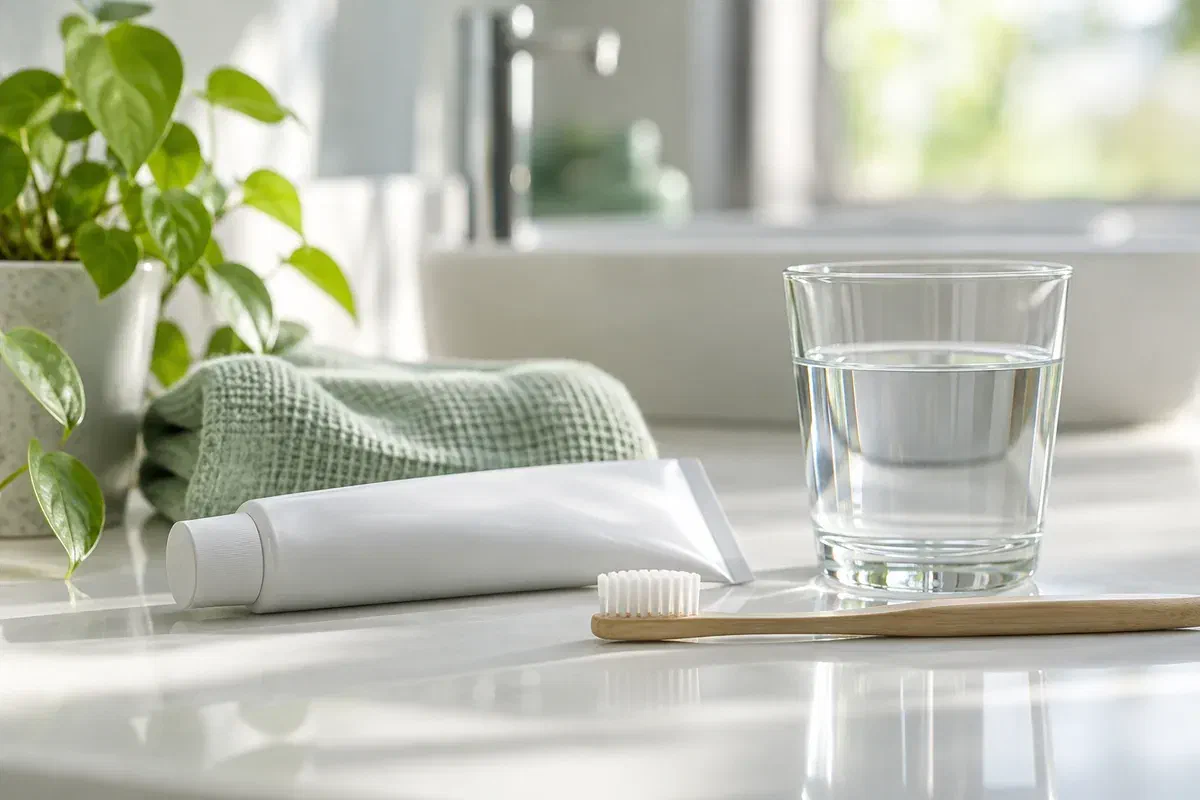
Illustrative soft toothbrush, toothpaste, and drinking water for gentle daily care
Before you set out

Which of these sounds familiar?

Jot down the location, the trigger, and how long it lasts. Accurate observations help us decide whether you should be seen soon and how much time to set aside.

A fleeting jolt you can predict

Cold drinks, air, or brushing set it off and it passes quickly. Note whether it involves one tooth or a wider area. A brief response still deserves attention when it is new, growing, or causing you to skip cleaning part of your mouth.

Pain that lingers or arrives without cause

An ache that stays after the trigger, wakes you, or starts on its own can change how urgent the problem is. Mention it when you phone, since it may affect how soon you should be seen and whether care closer to home makes sense in the meantime.

A reaction that began after a change

New dental work, whitening, a different toothpaste or rinse, a knock to the mouth, or an altered bite are worth listing. The timing is a useful lead but not proof, so the tooth itself still has to be examined.

Call before you drive in if you have swelling, a broken tooth, strong pain on biting, or symptoms that are quickly getting worse, so we can advise on timing or suggest closer urgent care. If you already have a checkup booked, tell us about the new problem.

Worth the drive from Etobicoke

A cause you can name, and a plan you can follow

Dentin carries sensations toward the nerve, and when its protective layer wears thin or the gum pulls back, cold and touch get through more easily. Several other dental problems mimic that feeling, which is why an examination is central. Afterward, the right care could be a home product, an application at the clinic, or treatment directed at a particular tooth.

No treatment guarantees fast or lasting relief, and some approaches need time. Ask what the recommendation is meant to achieve, how to carry it out, and when the response will be judged, ideally at a visit you can plan around. Be sure you also know what to do if the discomfort holds or changes.

Patient information: ADA MouthHealthy — sensitive teeth and possible causes

Fewer return visits

Arriving with a symptom history and product list helps the dentist reach a clearer picture in one appointment. Ask whether any follow-up can be combined with a regular checkup so the trips you make are purposeful.

Treatment matched to the finding

If decay, a cracked or worn restoration, or another problem is found, it can be discussed and scheduled directly. Ask how each recommendation relates to what was seen, so you understand why a particular step is worth travelling for.

A home routine that works

Brushing around a tender spot can quietly become a habit. Tell us where cleaning hurts so technique and tools can be adjusted. A sustainable routine matters more when visits are spaced out and you are managing between them.

The appointment itself

Make every part of one visit useful.

Testing is guided by what the dentist finds. If you are uneasy about something bringing on discomfort, say so, and the step can be explained before anything is done.

  1. Share your notes

    Walk the dentist through when it began, what triggers it, where it seems to be, and how long it lasts, along with night pain and any recent treatment. Approximate is fine; you do not have to identify one tooth.

  2. A focused examination

    The relevant teeth, fillings, and gum tissue are checked. X-rays or other tests may be suggested to clarify the source. Ask what each can tell you, and say so if you need a moment.

  3. Findings, uncertainty, and options

    You will hear what seems clear and what does not. When a conservative plan fits, you will leave knowing exactly how to use it and how progress will be followed. When repair is needed, discuss choices, trade-offs, and scheduling that suits your travel.

  4. A timeline you can plan around

    Confirm home instructions, anything done on the day, and how to report progress, which may be possible by phone. Ask which signs should prompt an earlier call. A trial should have a goal and a date, not run on indefinitely.

Managing at home

Between trips, gentle and steady wins.

Follow the guidance for your diagnosis and the product or treatment you received. Instructions after a repair can differ quite a bit from those for a sensitivity toothpaste.

Don’t test it with cold

Sipping something icy to check progress keeps aggravating the tooth. Brush softly with the technique you were shown, easing pressure over the tender spot. Call if that area still cannot be cleaned comfortably.

Give recommended products a fair, correct try

Desensitizing toothpaste often needs regular use before you can judge it. Use it as directed, without adding other treatments or doubling up. Ask before continuing any whitening that seems to be part of the problem.

Know what to report

A simple log of triggers, duration, and whether eating or brushing has become easier can help at a phone check-in. You need not provoke the tooth. Contact us if pain grows, begins by itself, or does not ease as expected.

Possible treatments

One cause, one direction

For each option, ask what it is meant to do and how many visits it might involve. Exposed dentin, a structural problem, and an issue inside the tooth lead to different conversations.

When the findings support conservative care

Calming sensitive surfaces

A home desensitizing product or an in-clinic application may be recommended for a suitable surface. Clarify how it works, where it falls short, and when you will check in. It is a response to a diagnosis, not a reason to skip one.

When repair is indicated

Restoring or shielding a tooth

Decay, a crack, or a restoration problem may need a repair or another protective measure. The appropriate choice depends on the condition and how much sound tooth remains. Ask why it is recommended, what alternatives exist, and how many appointments it may take.

When the diagnosis needs further treatment

Care for the gums or tooth interior

Some findings lead to a separate discussion of gum care or treatment inside the tooth, possibly with a referral. Sensitivity alone is not a reason for a root canal; that depends on the diagnosis and the options you have.

Planning from Etobicoke

Questions about timing, travel, and treatment

Ask about triggers, products, how many visits to expect, and how progress will be checked. Sensitivity can be a sign of several different problems.

(905) 876-4488
What should I bring to make one appointment as useful as possible?
Bring a short note of triggers, duration, and when it started, a list of products you have tried, and details of any recent dental treatment elsewhere. That history helps the dentist focus the examination and explain findings clearly.
Can follow-up for sensitivity be handled by phone?
Sometimes a progress update can be discussed by phone, but it depends on the findings and the treatment. Ask at your visit how follow-up will work and which changes would mean coming back in person.
When is closer urgent care the better choice?
Facial swelling with breathing or swallowing difficulty needs emergency medical care immediately. For rapidly worsening pain, swelling, or a broken tooth, call us first; we can advise whether to come in or seek care nearer to you.
Does sensitivity mean my enamel is wearing away?
Enamel wear is one possible factor, but gum recession, decay, a crack, or a restoration problem can also cause sensitivity. The examination is what identifies the cause, so it is best not to assume one explanation.
If a sensitivity toothpaste helps, can I cancel the assessment?
Feeling better does not rule out decay or another problem. Keep the assessment for new or unexplained sensitivity, and mention which product you used and how it helped. The examination decides whether further care is needed.
Could a recent filling elsewhere explain the sensitivity?
Some sensitivity can follow treatment, but report pain that worsens, lingers, or affects biting. Tell us where and when the work was done. The dentist will examine the tooth rather than assume the filling is the cause.
Sensitive tooth care for Etobicoke

One well-planned visit is a good place to start.

Reach out to our Bronte Street practice to describe your sensitivity and arrange an assessment that suits your schedule. Mention whether pain lingers, starts without a trigger, or followed recent treatment, so we can plan the right next step.

Treatment depends on the cause. Call ahead about new swelling or significant, worsening pain, rather than travelling in or relying on products alone.

Visit Milton Dental Clinic
Unit 1, 342 Bronte St. S, Milton, ON L9T 5B7
Get directions Clinic hours
Monday–Thursday
11am–7pm
Friday–Sunday
By appointment only

Areas we serve

  • Milton
  • Oakville
  • Mississauga
  • Georgetown
  • Halton Hills
  • Acton
  • Campbellville
  • Brampton
  • Burlington
  • Puslinch
  • Rockwood
  • Erin
  • Caledon
  • Etobicoke
  • Old Milton
  • Bronte Meadows
  • Timberlea
  • Dorset Park
  • Dempsey
  • Clarke
  • Beaty
  • Coates
  • Harrison
  • Scott
  • Willmott
  • Ford
  • Bowes
  • Cobden
  • Walker
  • Mountain View
  • Milton Heights
  • Hawthorne Village
  • Valley View
  • Fallingbrook
  • Nassagaweya
  • Trafalgar
  • Esquesing
  • Nelson
  • Brookville
  • Moffat
  • Glen Williams
  • Norval
  • Limehouse
  • Stewarttown
  • Ashgrove
  • Hornby
  • Silver Creek
  • Speyside
  • Scotch Block
  • North Oakville
  • River Oaks
  • Glen Abbey
  • West Oak Trails
  • Palermo
  • Bronte Creek
  • College Park
  • Joshua Creek
  • Uptown Core
  • Preserve
  • Iroquois Ridge
  • Lisgar
  • Meadowvale
  • Meadowvale Village
  • Churchill Meadows
  • Erin Mills
  • Central Erin Mills
  • Streetsville
  • East Credit
  • Creditview
  • Heartland
  • Sheridan
  • Mount Pleasant
  • Credit Valley
  • Huttonville
  • Churchville
  • Springbrook
  • Northwest Brampton
  • Bram West
  • Fletcher's Meadow
  • Fletcher's Creek South
  • Alton Village
  • Orchard
  • Millcroft
  • Headon Forest
  • Tansley
  • Brant Hills
  • Tyandaga
  • Kilbride
  • Lowville
  • Aberfoyle
  • Morriston
  • Arkell
  • Hillsburgh
  • Freelton
  • Carlisle
  • Waterdown
  • Flamborough
  • Mountsberg

How can we help?

Milton Dental Clinic

Have a question about your smile? Choose the option that works best for you.

For urgent dental concerns, please call.
Messages are reviewed during clinic hours.