Illustrative patient describing tooth sensitivity during a dental conversation
General & Family Dentistry

Treatment for Sensitive Teeth in Georgetown

A new filling was supposed to end the problem, yet the tooth still reacts to cold. If you are coming from Georgetown, we can look at what is happening after recent dental work and explain whether it needs time, adjustment, or treatment.

After recent dental work

Settling in, or a sign to call?

It is common to wonder what counts as normal after treatment. A tooth that has just been filled, or teeth that were recently cleaned, can feel different for a while, and some sensitivity can occur. The direction matters most: steady improvement is reassuring, while pain that lingers, grows, or makes biting difficult is worth reporting without delay.

Our Bronte Street team will want to hear what was done, when, and how the tooth has behaved since. Then the dentist examines it, along with the bite and nearby teeth. The cause may relate to the recent work, but it may not; exposed dentin elsewhere, decay, a crack, or a gum issue can coincide with an appointment and feel just as connected.

Please do not keep chewing on the tooth or sipping ice water to see if it has changed. Describe what ordinary meals and brushing feel like, and whether things are better than last week. From there, you will hear what the examination suggests, what care, if any, would help, and when to check back.


Ask about sensitivity after treatment
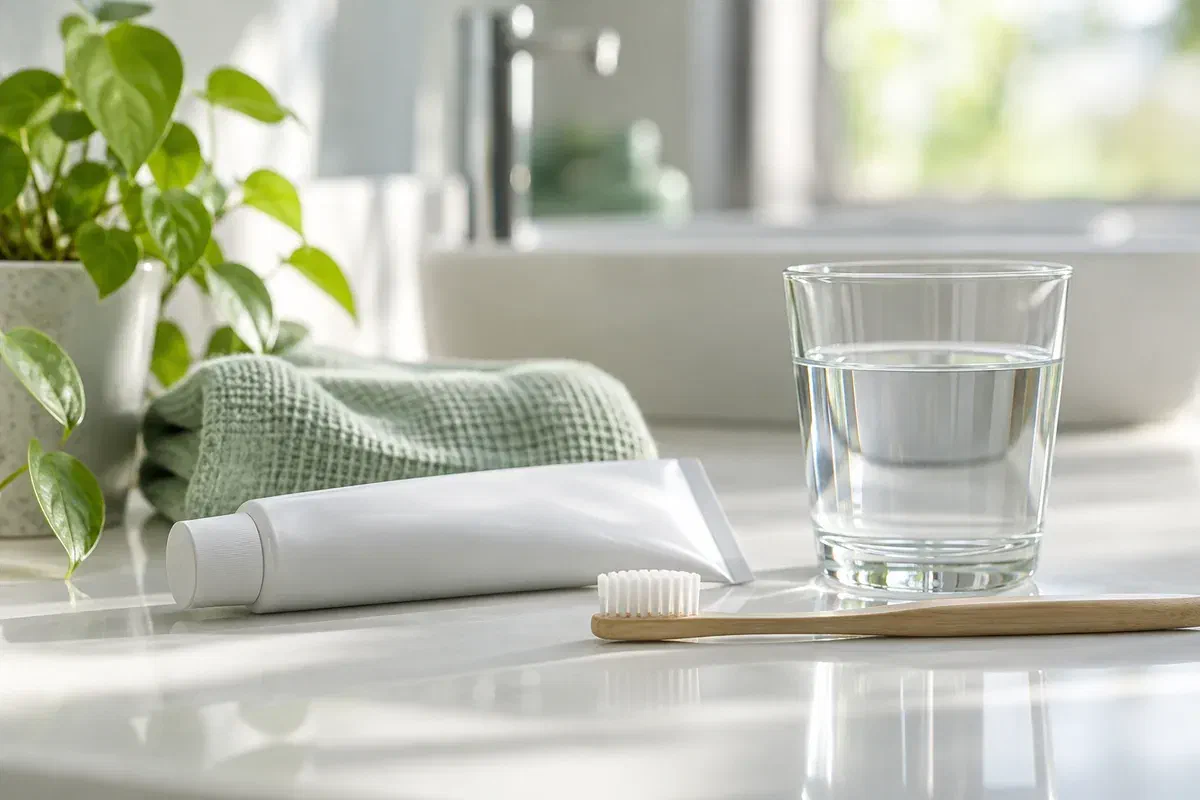
Illustrative soft toothbrush, toothpaste, and drinking water for gentle daily care
Telling the difference

Three ways a treated tooth might behave

Focus on where it is, what sets it off, and how long it lasts, and note whether it is improving. Those observations are more useful than trying to diagnose it yourself.

A short reaction that is fading

Cold, air, or brushing produces a quick twinge that seems a little milder each week. Mention which teeth are involved. Even a mild response is worth raising if it is not improving, is spreading, or is keeping you from cleaning the area.

Pain that lingers, builds, or starts alone

Discomfort that continues after a cold drink, wakes you, or appears with no trigger is a reason to call. It may change how soon you should be seen and which tests are useful, and it is not something to manage with toothpaste.

A bite that feels wrong or a new trigger

Tell us if the tooth feels high when you close, if chewing hurts, or if whitening, a new product, or an injury came along at the same time. These details guide the examination, though they do not settle the cause on their own.

Contact us promptly about swelling, a cracked or broken tooth or filling, significant pain on biting, or symptoms that keep getting worse. If you have a follow-up already booked, let us know about the change so we can decide whether to see you sooner.

Why we check rather than assume

Recent treatment is a clue, not a conclusion.

Sensitivity often involves dentin, the inner layer of the tooth, responding to cold or touch once its covering is reduced. After treatment, a tooth may react for other reasons too, and an unrelated problem can surface at the same time. The examination sorts these out. Care might then be an adjustment, a home product, an application in the clinic, or treatment of a specific concern.

Some sensitivity eases over time, but improvement is not guaranteed to be quick or permanent. Ask what the dentist expects, what the recommended step is meant to do, and when you will review it. You should also know what to do if the tooth stays the same or begins to feel different.

Patient information: ADA MouthHealthy — sensitive teeth and possible causes

Peace of mind about the new work

An examination can show whether the restoration looks sound and whether the bite needs attention. Ask the dentist to explain what they checked, so you understand why waiting, adjusting, or treating is advised.

Attention to anything else going on

If the source turns out to be decay, a different tooth, or a gum concern, that can be discussed directly. Ask how each suggestion relates to the actual finding, rather than assuming everything traces back to the filling.

Comfortable cleaning in the meantime

It is natural to brush gingerly around a newly treated tooth, but leaving it uncleaned is not helpful. Show us where it hurts so the method and brush can be reconsidered while recovery and progress are followed.

Coming in from Georgetown

We start with what was done and when.

The dentist chooses tests based on what is found. Tell us if you are worried about discomfort, and each step can be described first.

  1. Review the recent treatment

    Share what work was done, where and when, plus how the tooth has felt since, what triggers it, and how long it lasts. Mention night pain. If you are unsure whether it is the treated tooth or a neighbour, say so.

  2. Check the tooth, filling, and bite

    The dentist examines the restoration, surrounding surfaces, gums, and how your teeth meet. Suitable tests or X-rays may be suggested to clarify the picture. Ask what each one shows, and ask for a break whenever you like.

  3. Explain what seems to be happening

    You will hear what is clear and what is uncertain. If time and a conservative approach make sense, you will know how to follow it and when to check in. If the tooth needs more work, ask about the options, limits, and timing.

  4. Agree on next steps

    Confirm any home instructions, whether anything was adjusted, and when to report progress. Ask which changes should bring an earlier call. Waiting to see should have a clear time frame, not continue indefinitely while the tooth stays sore.

While it settles

Be kind to the tooth, and keep notes.

Follow the advice for your specific treatment and diagnosis. Guidance after a filling, a cleaning, or a desensitizing product can differ considerably.

Avoid testing it on purpose

Biting hard on the tooth or sipping ice to check it keeps irritating the area. Use a soft brush and the technique discussed, with light pressure near the treated tooth. Let us know if you cannot clean it comfortably.

Follow the instructions you were given

If a desensitizing product was recommended, it may need regular use before its effect is clear. Use it as directed rather than adding several products. Check before starting or resuming whitening while the tooth is still sensitive.

Notice which way things are heading

A quick note of triggers, duration, and whether chewing is easier can help. You need not provoke the tooth. Call us if pain worsens, appears without a trigger, makes biting difficult, or simply does not improve as expected.

What might be recommended

Wait, adjust, protect, or treat further

Ask what each option is meant to achieve. A bite adjustment, a desensitizing step, and treatment inside the tooth are very different decisions.

When the findings support conservative care

Time and a desensitizing approach

If the examination supports it, the dentist may advise a period of monitoring, a home product, or an in-office application. Ask how it is used, what it will not change, and when it will be reviewed. It should follow assessment, not replace it.

When the filling or tooth needs attention

Adjusting or redoing a restoration

A high spot on the bite, a gap at the edge, or another problem with the restoration may call for an adjustment or repair. The right choice depends on the finding. Ask why it is recommended and what other options are reasonable.

When the diagnosis requires more care

Further treatment for the tooth or gums

Some findings lead to a separate talk about care inside the tooth or for the gums, and referral may be considered. Root canal treatment is not a routine response to sensitivity after a filling; it depends on the diagnosis and the options.

Georgetown questions

Sensitivity after dental work, explained

Ask about the recent treatment, triggers, products, and how progress will be checked. Sensitivity after an appointment can have more than one explanation.

(905) 876-4488
How long can a tooth stay sensitive after a filling?
It varies, and the treating clinician can tell you what to expect for your situation. What matters most is whether it is improving. Report pain that worsens, lingers after cold, or makes biting uncomfortable rather than waiting it out.
My new filling feels high when I bite. Should I call?
Yes. A bite that feels uneven or sore after treatment is worth reporting, as it may need to be checked and possibly adjusted. Avoid chewing hard on that side until you have spoken with the team.
Can teeth feel sensitive after a professional cleaning?
Some people notice temporary sensitivity after a cleaning. Mention it if it persists, worsens, or seems focused on one tooth, so the dentist can decide whether an examination is needed.
The work was done at another office. Can you still assess it?
Yes. Bring whatever details you have about the treatment and when it was done. The dentist will examine the tooth and explain what they find, without assuming the recent work is the cause.
Can I use a sensitivity toothpaste on a newly filled tooth?
Ask the dentist first so the advice fits your treatment. A product that eases the feeling does not confirm the tooth is fine, so report lingering or worsening symptoms even if a toothpaste seems to help.
Does lasting sensitivity after a filling mean a root canal is next?
Not necessarily. Whether any further treatment is needed depends on the history, examination, and test results. Ask what the dentist has found and why a particular option suits that tooth.
Sensitive tooth care for Georgetown

Let us check how the tooth is settling.

Phone our Bronte Street practice to describe the sensitivity and recent treatment, and we will arrange a suitable assessment. Tell us if pain lingers, starts on its own, or affects biting so the next step can be planned.

What we recommend will follow from the findings. Swelling, or pain that is strong and climbing, should be reported right away instead of waiting for it to settle.

Visit Milton Dental Clinic
Unit 1, 342 Bronte St. S, Milton, ON L9T 5B7
Get directions Clinic hours
Monday–Thursday
11am–7pm
Friday–Sunday
By appointment only

Areas we serve

  • Milton
  • Oakville
  • Mississauga
  • Georgetown
  • Halton Hills
  • Acton
  • Campbellville
  • Brampton
  • Burlington
  • Puslinch
  • Rockwood
  • Erin
  • Caledon
  • Etobicoke
  • Old Milton
  • Bronte Meadows
  • Timberlea
  • Dorset Park
  • Dempsey
  • Clarke
  • Beaty
  • Coates
  • Harrison
  • Scott
  • Willmott
  • Ford
  • Bowes
  • Cobden
  • Walker
  • Mountain View
  • Milton Heights
  • Hawthorne Village
  • Valley View
  • Fallingbrook
  • Nassagaweya
  • Trafalgar
  • Esquesing
  • Nelson
  • Brookville
  • Moffat
  • Glen Williams
  • Norval
  • Limehouse
  • Stewarttown
  • Ashgrove
  • Hornby
  • Silver Creek
  • Speyside
  • Scotch Block
  • North Oakville
  • River Oaks
  • Glen Abbey
  • West Oak Trails
  • Palermo
  • Bronte Creek
  • College Park
  • Joshua Creek
  • Uptown Core
  • Preserve
  • Iroquois Ridge
  • Lisgar
  • Meadowvale
  • Meadowvale Village
  • Churchill Meadows
  • Erin Mills
  • Central Erin Mills
  • Streetsville
  • East Credit
  • Creditview
  • Heartland
  • Sheridan
  • Mount Pleasant
  • Credit Valley
  • Huttonville
  • Churchville
  • Springbrook
  • Northwest Brampton
  • Bram West
  • Fletcher's Meadow
  • Fletcher's Creek South
  • Alton Village
  • Orchard
  • Millcroft
  • Headon Forest
  • Tansley
  • Brant Hills
  • Tyandaga
  • Kilbride
  • Lowville
  • Aberfoyle
  • Morriston
  • Arkell
  • Hillsburgh
  • Freelton
  • Carlisle
  • Waterdown
  • Flamborough
  • Mountsberg

How can we help?

Milton Dental Clinic

Have a question about your smile? Choose the option that works best for you.

For urgent dental concerns, please call.
Messages are reviewed during clinic hours.