An implant could be wanted later
Implants depend on adequate bone, healthy gum and general health. Preserving the socket may help keep that option realistic, but it is no guarantee, and further grafting may still be needed.


Helping a parent or partner through an extraction? For families in Caledon, here is a clear look at ridge preservation, the questions to ask and how to support recovery at home.
Sometimes the person asking about ridge preservation is not the one having it. An adult son or daughter, a spouse or a caregiver often helps weigh the options. The core idea is easy to share: when a tooth comes out, the bone ridge that held it usually shrinks as the socket heals, and a graft placed in the socket aims to limit that.
It is not automatic for every extraction. The condition of the socket, the gum, the patient's overall health and medications, and whether a replacement is wanted all shape the advice. For an older adult, comfort, recovery and practical goals carry as much weight as future implant options.
For households in Caledon coordinating care across Bolton and the surrounding villages, a joint consultation can help. With the patient's permission, a family member can join to hear the explanation, ask questions and plan recovery at home.
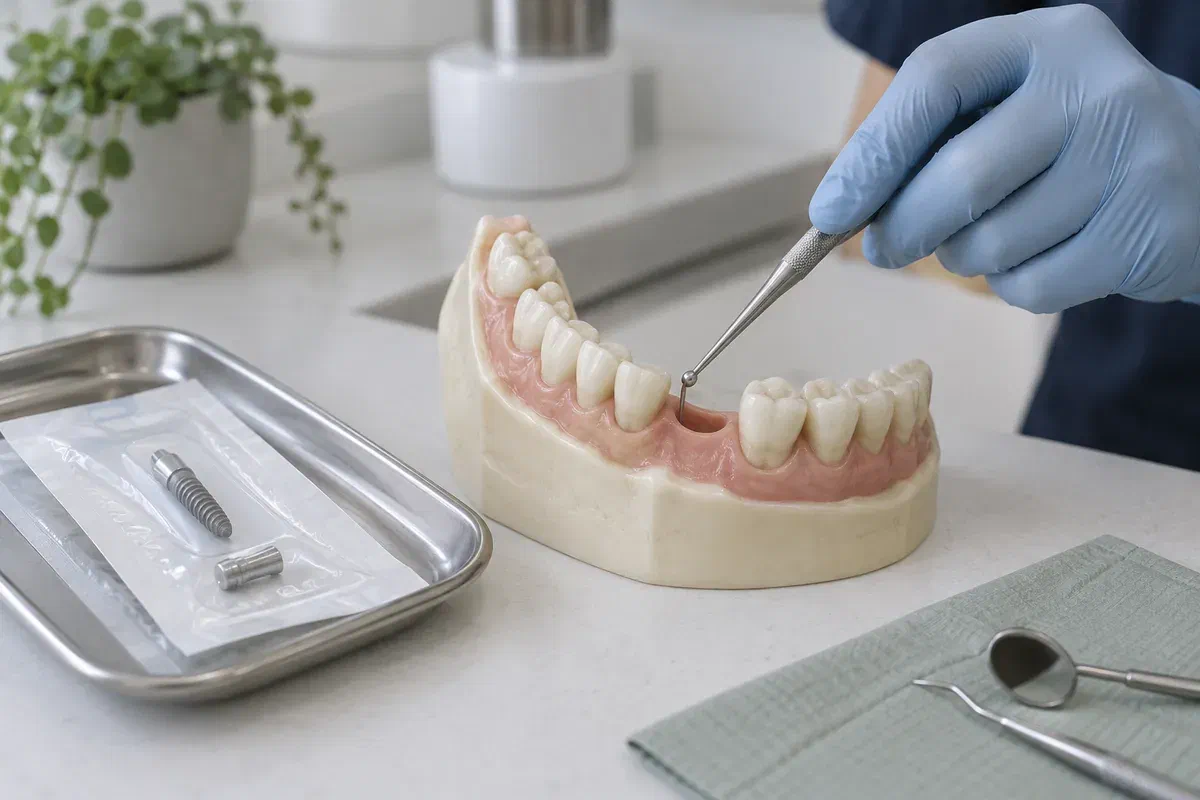
Because grafting happens as the tooth is removed, the conversation belongs before that appointment. The dentist can explain whether the site is suitable and whether a specialist opinion would help the family decide.
Implants depend on adequate bone, healthy gum and general health. Preserving the socket may help keep that option realistic, but it is no guarantee, and further grafting may still be needed.
A flattened ridge can affect how well a denture rests or how natural a bridge looks. The tooth's location and the replacement being considered decide how much this matters.
For some people, the priority is removing a painful tooth with the least disruption. Discussing preservation first clarifies what it adds, what it cannot do and whether a staged plan is worth it.
If the tooth is already gone, the ridge can still be assessed. A healed site that needs rebuilding usually involves a different, separate procedure.
A socket graft provides a framework for new bone, with the aim of keeping more ridge width and height than would usually remain. No new tooth comes out of it, and the bone continues to change somewhat as it heals.
It does add a fee, a surgical step and a recovery period. Exposure of the graft, infection or disappointing bone fill are possible. For an older patient especially, the recommendation should explain clearly why the expected benefit is worth the added care.
Patient information: AAP — ridge modification
Discussing the extraction and any future replacement together helps the patient and family make one coherent decision rather than several rushed ones.
Keeping bone and gum form may help a later restoration fit and look better. Anatomy and healing still determine the outcome.
When healing is complete, the site is reviewed and the family hears whether imaging, more care or a referral would be the next step.
Techniques differ from site to site. It is fine to ask who will perform the procedure, which material is proposed and how many visits the patient should expect.
We look at why the tooth must be removed, examine the gum and review imaging. Health conditions, medications, smoking and past healing are covered, so a current medication list is very helpful.
The graft, its likely benefits, alternatives, fees and recovery are explained before consent. Infection, bone loss, anatomy or medical concerns may mean a specialist or a different sequence.
Once the area is numb, the tooth is lifted out and, where the site suits it, graft material fills the socket. A covering or stitches may be placed, and written instructions are handed to the patient and whoever is helping at home.
At each review, the clinician looks at how the gum is closing and answers the family's questions. Before any replacement is confirmed, the bone is assessed again, because a healed-looking gum does not show what is underneath.
The written instructions take priority, since procedures vary. Keep them where everyone can see them, and ask before leaving about cleaning, rinses, meals or a denture.
Prepare soft foods and encourage chewing on the other side. Remind the patient not to touch the graft, and check whether an existing denture needs adjusting or a break.
Help keep track of any prescribed rinse or pain relief and follow the timing given. Ask when cleaning near the site can resume, and keep the rest of the mouth clean.
Arrange transport for follow-up visits in advance. Note any change in comfort, unusual discharge or confusion about the instructions to mention at the review, or call sooner.
These questions come up when a family member is supporting the patient. They cover consent, comfort and practical planning around the procedure.
Book time at our Bronte Street practice before a planned extraction, or bring a recommendation the family would like explained. We will examine the site, go through the choices and let you know whether a specialist should be involved.
If healing seems off, the clinician who did the procedure is the right first contact, whether the patient calls or you call on their behalf. Please phone for urgent concerns rather than sending an online request.
