An implant might follow
For an implant, the site needs sound bone and gum. Grafting the socket can be part of keeping that option realistic, yet it gives no guarantee of suitability and does not always prevent further bone work.


Travelling from Etobicoke for an extraction and socket graft? Plan fewer, well-organised visits and know what to do if a concern comes up once you are back home.
Here is the short version. When a tooth is pulled, the bone that held it begins to remodel, and the ridge often ends up narrower and lower than before. Ridge preservation means filling the socket with graft material at extraction to hold on to more of that shape for whatever replacement may come later.
It is a judgement call rather than a standard add-on. How intact the socket is, the state of the gum, your health and the replacement you have in mind all decide whether it is worth the extra step.
From Etobicoke, the distance is a fair thing to factor in. We can plan the consultation so most questions are settled in one visit, combine extraction and grafting where that is appropriate, and talk through the stages ahead so each later trip has a clear purpose.
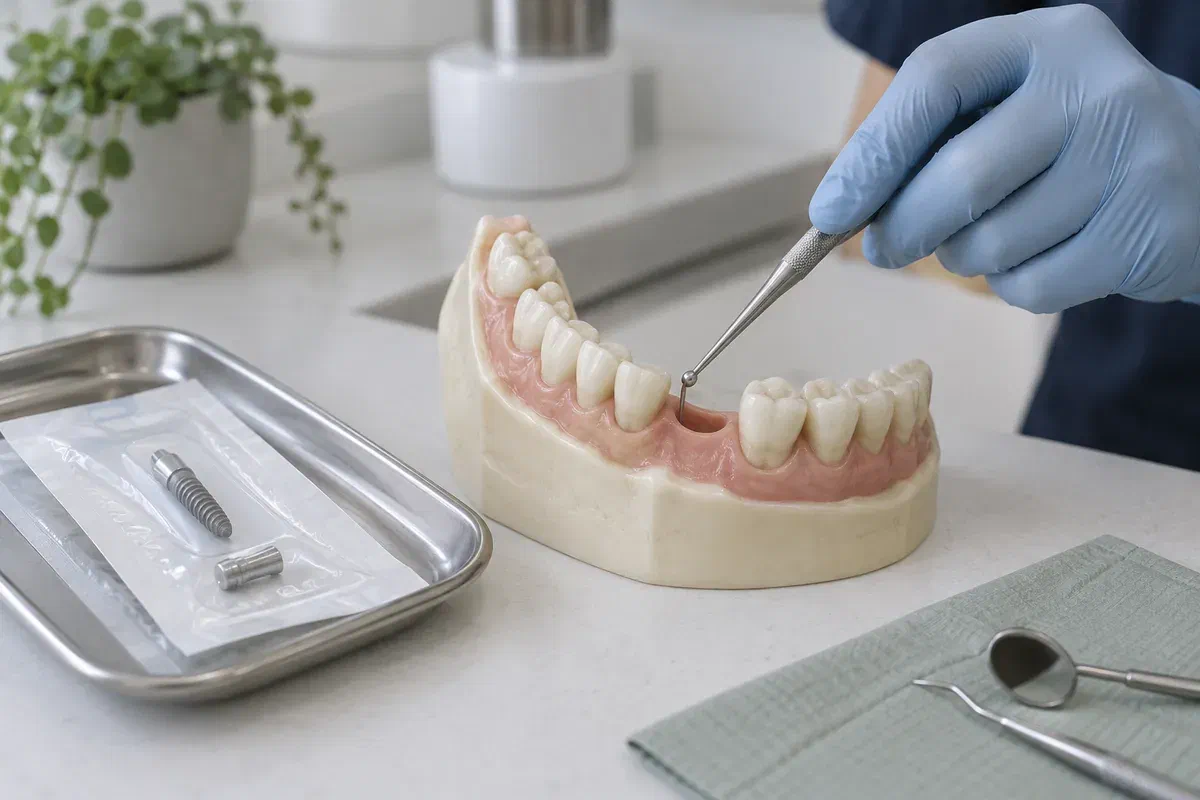
Preservation is done while the socket is fresh. Asking before the extraction gives your dentist time to judge suitability and, if needed, arrange a specialist opinion without adding unnecessary journeys.
For an implant, the site needs sound bone and gum. Grafting the socket can be part of keeping that option realistic, yet it gives no guarantee of suitability and does not always prevent further bone work.
Lost ridge volume can let the gum sink and squeeze the room for a crown, bridge or denture tooth. The tooth's position and the planned restoration decide how much that matters.
Dealing with a failing tooth first and choosing its successor later is fine. A pre-extraction talk explains what grafting offers, its limits, and how it fits into treatment spread over months.
Tooth already out? The ridge can still be checked. Building up a healed site is usually a separate procedure from preserving a socket on extraction day.
A socket graft is meant to limit the ridge loss that commonly follows extraction, acting as a lattice for new bone. It is not a tooth and cannot freeze the bone in place; some change happens regardless.
Weigh the costs too: an added fee, an extra surgical step and healing time, along with the possibility of graft exposure, infection or weaker bone fill than planned. Ask for a clear reason the benefit at your site makes this worthwhile.
Patient information: AAP — ridge modification
When extraction and replacement are discussed side by side, the socket decision follows your end goal and fewer surprises turn up later.
Preserving useful bone and gum form may help a later restoration fit and look right. Your anatomy and healing response still set the limits.
Once healing is complete, the site is evaluated and the next steps, whether imaging, further care or a referral, are explained at that visit.
Techniques vary between teeth. Ask who will do the work, what material will be used, and how many visits the full sequence is likely to need so you can plan time off and travel.
We examine the tooth, gum and available imaging, and review your medical history, medications, smoking and healing history. Sending existing X-rays beforehand can help make this visit more complete.
Material, likely benefits, alternatives, fees and recovery are covered before you consent. If infection, tissue loss or anatomy complicates things, a specialist or a different sequence may be advised.
When it suits the site, removal and preservation are done in the same appointment under local anaesthetic. The socket may be covered with a membrane or closed with stitches, depending on the method.
Reviews check gum healing and progress. Before an implant or restoration is settled, the site is reassessed, because a healed surface says little about the bone underneath.
Follow your written instructions, which reflect your specific technique. Because the drive back is longer, clarify brushing, rinsing, food and any temporary denture before you leave.
Keep your tongue and fingers away from the graft. Have soft foods ready, avoid pressure on the site, and confirm whether a removable appliance should be adjusted or left out.
Keep the rest of your mouth clean and use any rinse exactly as prescribed. Ask when it is safe to clean close to the graft rather than guessing.
Book reviews at times that suit your travel. Report changes in comfort or unusual discharge by phone between visits, so a question does not have to wait for the next trip.
Distance changes how you plan, not how the procedure works. These questions help you prepare for recovery at home and the visits that follow.
Book a consultation at our Bronte Street practice ahead of your extraction, or bring an existing treatment plan for review. We will examine the site, outline the visits involved and advise whether a specialist should be part of your care.
Concerns after surgery go first to your treating clinician. For anything urgent, call rather than sending an online request, and use local emergency services for severe symptoms.
