Wear across many teeth
When most teeth have lost height, rebuilding one can leave it out of step with the rest. The dentist looks at contributors such as grinding, clenching and acid before suggesting how far to go.


Big treatment is not always the right treatment. If you are coming from Acton with several worn or damaged teeth, we start by asking how little could work, then explain when a fuller bite plan is genuinely worth it.
Most people would rather keep their natural teeth as untouched as possible, and that instinct is a good one. Crowns and bridges remove tooth structure, need upkeep and do not last forever. So a fair question to bring to any bite assessment is simple: what is the least treatment that would solve my problems safely?
Sometimes the answer is a few targeted repairs. Sometimes the problems are linked closely enough that a coordinated plan, known as bite reconstruction, makes more sense. That plan can address heavy wear, a run of failing restorations or missing teeth together. It is not a single procedure, and it does not mean crowning every tooth. The dentist looks at each tooth, how the jaws meet, the gums and bone, and the reasons damage occurred.
When you visit from Acton, tell us your preferences about how much treatment you are comfortable with, along with what troubles you day to day. A crown that keeps breaking, foods you avoid or sensitivity can all point the assessment in a useful direction.
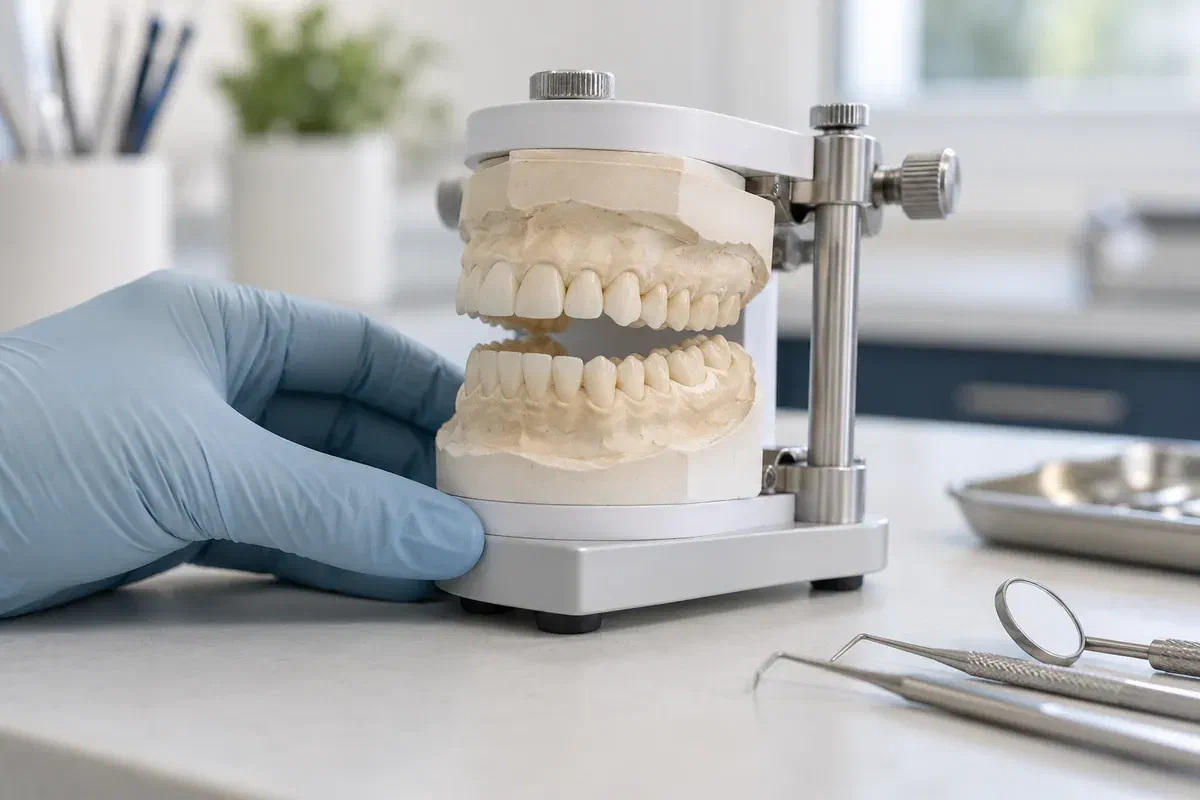
A coordinated plan earns its extra scope when treating one tooth changes what is possible for others. If problems are truly isolated, a smaller approach may serve you better.
When most teeth have lost height, rebuilding one can leave it out of step with the rest. The dentist looks at contributors such as grinding, clenching and acid before suggesting how far to go.
A single broken filling is usually a local problem. A pattern of chipped crowns and cracked teeth may reflect bite forces, thin remaining tooth or materials, and calls for a wider look.
Missing teeth can push work onto fewer teeth and alter how a replacement must be planned. Tell us which side you use for chewing and what you have given up eating.
Bite changes are not a dependable fix for jaw pain. Jaw-joint and muscle symptoms have many causes and need a separate diagnosis, with reversible and conservative steps considered first.
Planning the bite as a whole does not have to produce a large plan. Looking at the bite as a whole can reveal that some teeth need nothing more than monitoring, while others need attention first. Tooth shape, space, replacement and timing are decided together.
Every option has trade-offs. Bigger plans mean more fees, more visits, more maintenance and more tooth removed during preparation, with no promise about how long restorations will last. Smaller plans may leave some issues unresolved. A good plan lays both sides out.
Decay, infection and fractures are separated from goals for comfort and appearance, so you can choose how far to go once urgent needs are met.
Where it helps, a mock-up on study models or a set of temporary restorations gives you a chance to judge proposed changes before anything irreversible is done.
Every restoration adds cleaning and review needs. The plan should show what maintenance each option brings and whether a grinding guard is advised.
Even a cautious plan begins with a thorough assessment. Ask how the diagnosis is made, which items could be postponed or dropped, and how the plan changes if a tooth worsens.
We review symptoms, history, teeth, gums, restorations and health factors. X-rays, photographs, scans or study models may help capture where things stand.
We outline what a minimal approach, a phased plan and a fuller one would each involve, with fees and timing. Active disease generally comes first, and a specialist may be suggested.
Where needed, stabilizing weak teeth may come before provisional and final restorations. Changes to tooth contacts or height are explained and reviewed with you first.
Follow-ups check comfort, function, cleaning and restoration condition. Mention soreness that lingers so the dentist can examine it and decide on next steps.
Aftercare depends on what was done and which natural teeth remain. Ask for straightforward instructions for each area and a short list of reasons to call.
Single crowns, bridges and implant restorations each have their own cleaning needs. Ask the hygienist to show you which floss or brushes suit your mouth.
A tooth that feels high, ongoing tenderness or small chips should be checked. Avoid pushing through it with hard foods, and never try to adjust a restoration at home.
If a guard is recommended for grinding or clenching, wear and clean it as instructed. Have its fit looked at during regular reviews.
You should be able to follow your plan without dental training. Ask about the original problem, what each option changes, the alternatives and who manages follow-up.
Book a consultation on Bronte Street to talk about worn, damaged or missing teeth and how much treatment feels right to you. Bring any earlier plans and your priorities so we can weigh the options honestly.
Sudden breakage, strong pain or swelling should not wait for a routine visit. Phone the team and they will advise on timing.
