A mouth that is wearing down
When enamel wears across many teeth, there is less room for restorations and the bite can shift. The dentist looks for likely drivers, such as grinding, clenching or acid, before proposing how to rebuild.


A multi-stage plan is easier to commit to when the visits are well organised. For people travelling from Etobicoke, we plan bite reconstruction around fewer, fuller appointments and a clear plan for problems between them.
When the dental office is not around the corner, every appointment has to count. That matters even more for bite reconstruction, which can involve records, planning, preparation, temporary restorations and review visits. Knowing the sequence in advance lets you book time off, arrange the trip and avoid visits that could have been combined.
Reconstruction is a coordinated approach for teeth that no longer function well as a group. Heavy wear, multiple failing restorations, missing teeth or a mix can make single repairs hard to plan. There is no fixed recipe, and crowns on every tooth are not the default. The dentist examines each tooth, how the jaws close, the gums and bone, and why the damage occurred.
Coming from Etobicoke, tell us at booking how often you can realistically make the trip. Then, during the consultation, describe what troubles you most in daily life, such as foods you avoid, a crown that keeps breaking or conflicting advice from the past. We will use both to shape the plan.
A wider assessment is most useful when one tooth’s condition changes the choices for others. It is also the best way to avoid repeated short trips for repairs that never quite settle.
When enamel wears across many teeth, there is less room for restorations and the bite can shift. The dentist looks for likely drivers, such as grinding, clenching or acid, before proposing how to rebuild.
If you keep returning for the same chipped crown or cracked filling, a broader look can pay off. Tooth structure, bite forces, materials and home care are all weighed before deciding what to do next.
Gaps change how remaining teeth share the load, and that affects how a replacement is designed. Explain which side you chew on and which foods you skip so the plan fits your habits.
Jaw-joint and muscle pain can have many causes. A reconstruction should not be offered as a promised cure for those symptoms without a separate diagnosis and a look at other approaches.
Planning the teeth together lets the dentist settle tooth shape, available space, replacements and order of work in one framework. Appointments can then be grouped where clinically sensible instead of reacting to each new problem as it appears.
Even a well-planned reconstruction has costs to weigh: fees, chair time, travel, upkeep, tooth reduction and uncertain longevity. The plan should also say where a smaller repair or watchful waiting would be reasonable, which can mean fewer trips overall.
Urgent concerns such as decay, infection or fracture are listed separately from later goals for chewing and appearance, so you can plan time and travel around them.
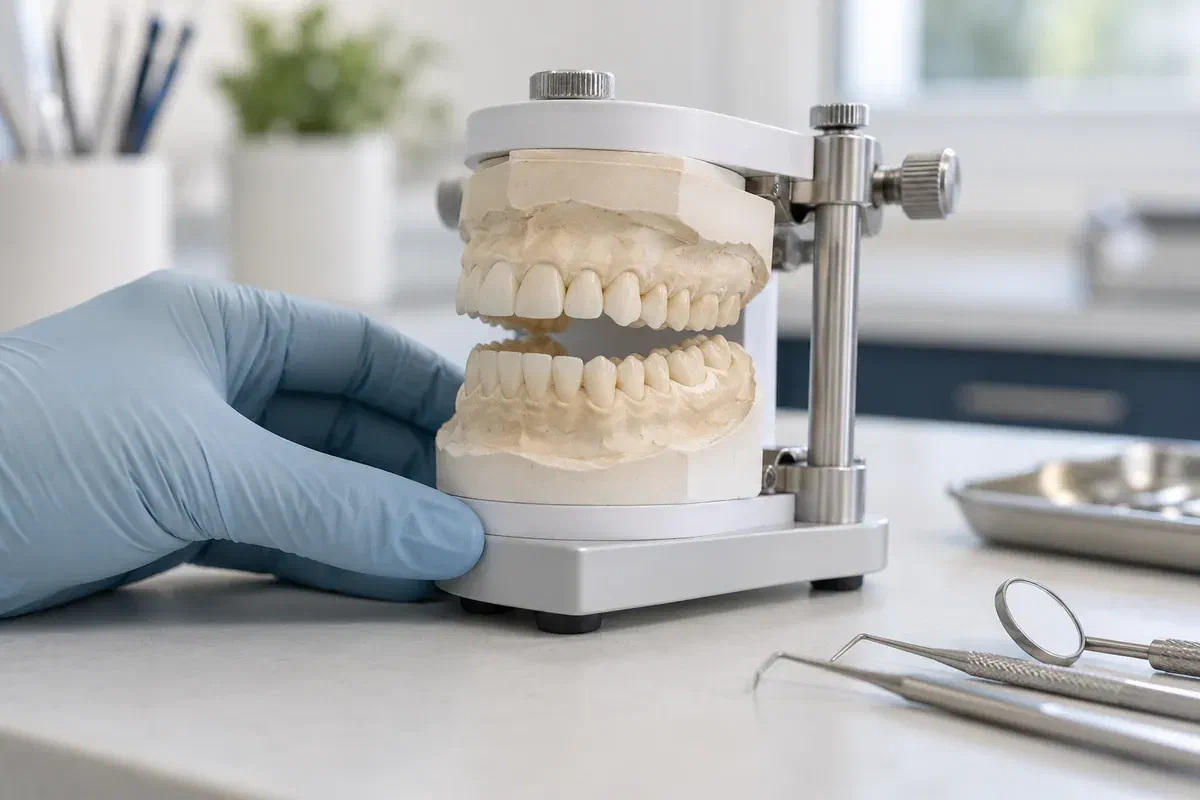
Models, photographs and sometimes provisional restorations let you assess the proposed changes before final restorations are made, where that step fits.
Cleaning tools, review intervals and any need for a grinding guard are built into the plan, so follow-up can be booked well ahead.
A reconstruction needs more groundwork than a single filling. Ask how the diagnosis will be made, which stages are optional, and how the plan adjusts if a tooth changes between trips.
Where practical, we review symptoms, history, teeth, gums, restorations and medical factors in a single visit, with imaging, photos, scans or models taken to document the bite.
We talk through goals, fees, sequence and alternatives. Active disease generally comes first, and if a specialist is needed we discuss how to coordinate those visits too.
Stabilization, provisional work and final restorations may be grouped into fuller appointments where it is safe. Changes to bite height or contacts are always explained and reviewed.
Follow-ups check comfort, cleaning and restoration condition. Report lingering soreness early, by phone if needed, so we can decide whether you need to come in.
Aftercare depends on the restorations and natural teeth involved. Ask for clear instructions for each area, and for guidance on which problems can wait and which cannot.
The floss that works under a bridge is not the brush that suits an implant crown. Ask the hygienist to demonstrate in your own mouth so you can keep up the routine at home.
A high spot, a sore tooth or a small chip may be manageable until a planned visit, or may need prompt attention. Phone first, and avoid testing the area with hard foods or adjusting anything yourself.
If an appliance is recommended for clenching or grinding, wear and clean it as directed. Bring it to reviews so its fit can be checked with your teeth.
You should be able to follow your plan without a dental background. Ask about the original problem, the proposed changes, the alternatives and who looks after you between visits.
Book a planning visit at our Bronte Street practice and mention that you are travelling in. Bring past plans, records and your priorities so we can make the most of the appointment and outline a realistic schedule.
For a newly broken tooth, strong pain or swelling, call us to talk through urgency. In an emergency, seek urgent care close to home first.
