A sharp spot catches your tongue
A small irregular edge can be surprisingly noticeable. The dentist checks the depth and shape before deciding whether smoothing is sufficient or whether removing more material would create an unwanted change.


A small chip can change the way a tooth feels and looks. Discuss chipped-tooth repair in Milton, with a careful check of the damage and options that respect the healthy tooth around it.
A chipped tooth has lost part of its surface, often at an edge or corner. You may notice it in the mirror, feel a rough spot with your tongue, or find that a once-smooth tooth catches on your lip. Even a modest chip deserves a check before choosing how to reshape or rebuild it.
The most conservative suitable option depends on the size and depth of the chip, the position of the tooth, and your bite. A tiny rough edge may need a different approach from a visible missing corner or a chip that exposes a more sensitive layer.
At Milton Dental Clinic, we can discuss the repair in the context of the whole tooth. Tell us whether the chip followed an accident, appeared during a meal, or developed gradually. Your preferences about shape and colour matter, but the tooth’s health and function come first.
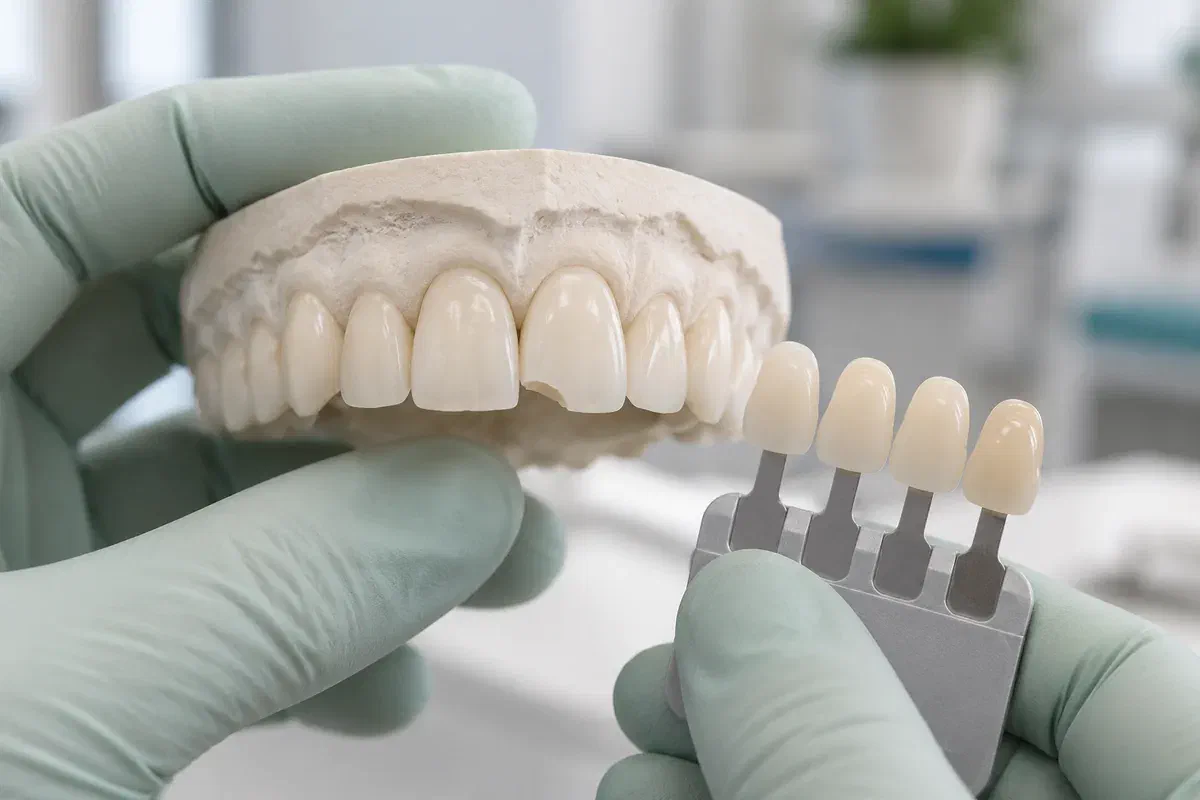
A chip may be limited to enamel or may be part of a wider problem. Assessment helps distinguish a straightforward surface defect from decay, a larger fracture, or damage following an impact.
A small irregular edge can be surprisingly noticeable. The dentist checks the depth and shape before deciding whether smoothing is sufficient or whether removing more material would create an unwanted change.
When a front-tooth corner chips, length and contour can affect its appearance. Discuss what you have noticed and bring an older photograph if it helps explain the tooth’s previous shape.
Repeated chipping can prompt a review of tooth contacts, habits, wear, and earlier restorations. Rebuilding the same edge without understanding the recurring stress may leave the repair facing the same problem.
If the chip followed a blow, mention any tooth movement, bleeding, or change in the way the teeth meet. An injury assessment may involve more than the visible chipped area.
For a limited defect, care may focus on making an edge comfortable or replacing a small amount of missing structure. Composite bonding is one possible approach when the tooth, available surface, and biting forces make it appropriate.
A tooth-coloured repair still has practical limits. Its shade, texture, and strength need consideration, and the repaired edge can stain or chip over time. The dentist should explain what is realistic for your tooth without promising a perfect match or permanent result.
Patient information: NHS — chipped, broken or cracked teeth
Addressing a sharp or irregular edge can reduce the distraction of a tooth that continually catches your tongue or lip, provided the underlying cause is also understood.
The discussion can include how much length or contour to restore. A small change should be considered alongside neighbouring teeth and the way your smile naturally looks.
An assessment may help avoid unnecessary extensive treatment for a minor defect. When a larger restoration is recommended, you can ask which findings make a smaller repair unsuitable.
A small chip can sometimes be addressed in a straightforward visit, but the treatment depends on what the examination reveals. An appointment should allow space to discuss both the clinical findings and the appearance you hope to achieve.
The dentist checks the surface, remaining structure, and surrounding tissues. Injury history and symptoms guide whether additional tests or imaging are needed before the visible edge is treated.
Discuss smoothing, fragment reattachment, bonding, or other options where relevant. Ask how each would alter the tooth and what limitations to expect for shape, colour, durability, and future maintenance.
A suitable edge may be carefully smoothed, or missing material may be restored. If composite is used, its colour and contour are selected for the tooth and it is hardened and finished appropriately.
The dentist checks the bite and polished surface, and you can discuss how the tooth looks and feels. Follow-up may be advised if the chip followed trauma or if symptoms require monitoring.
The appropriate routine depends on whether the tooth was smoothed, bonded, or restored another way. Ask about any immediate precautions and keep up the cleaning advice recommended for your mouth.
Opening packets, biting nails, or holding hard objects between teeth can place concentrated pressure on an edge. Consider which habits may have contributed to the original chip and how to change them.
Brush with fluoride toothpaste and clean between the teeth daily. Let the team know if floss catches or a repaired edge feels rough rather than attempting to polish the area with an abrasive product.
Report renewed chipping or a change in the way the tooth contacts its opposite. If grinding or a sports activity is relevant, ask whether an appropriate protective appliance should be part of your care.
Appearance, comfort, and durability often matter together when a visible tooth chips. These questions can help you discuss a repair that fits both the tooth and your expectations.
Visit our Bronte Street clinic to discuss a rough spot, missing corner, or repeated chip. We can assess the tooth, explain suitable options, and consider its shape, comfort, and function together before you choose a repair.
Please call about a recent impact, tooth movement, severe pain, or swelling so the urgency of the injury can be discussed.
