A rough edge you cannot stop feeling
Even a small chip can be distracting. The dentist checks its depth and outline before deciding whether polishing will be enough or whether it would remove more tooth than is wise.

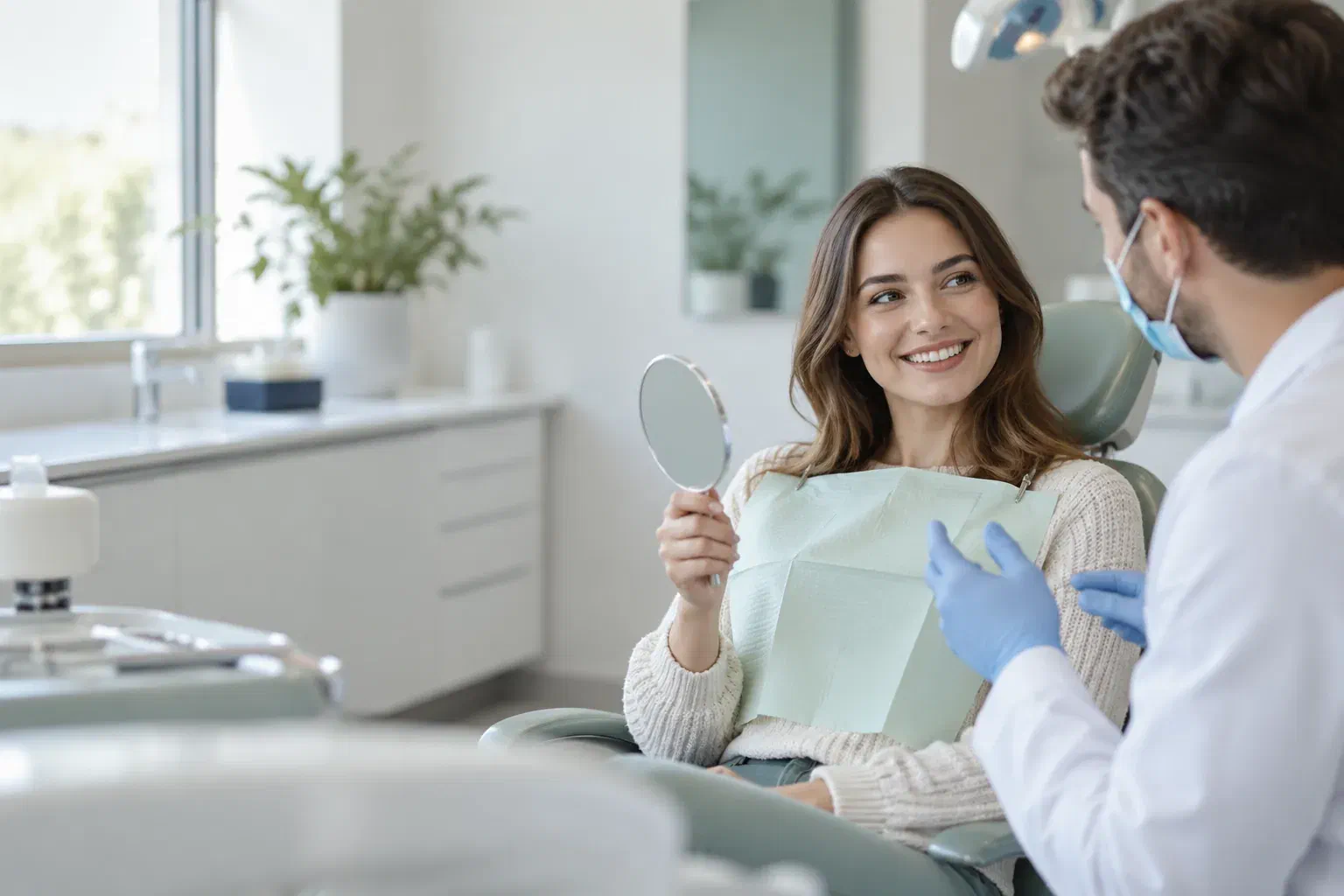
Travelling from Etobicoke for a chipped tooth means planning ahead. We help you judge what can wait, what needs urgent care nearer home, and how to make one well-prepared visit count.
That is usually the first decision after a tooth chips, and it matters more when the trip is a longer one. Most small chips are not emergencies. A piece of enamel has broken from an edge or corner, the tooth feels different, and you would like it fixed. That can typically be planned into a regular appointment.
Other chips call for faster attention: one that exposes a sensitive inner layer, follows a hard blow, leaves a tooth loose or comes with real pain or swelling. In those cases, getting seen promptly, which may mean urgent care closer to home, is more important than where you are treated. The size, depth and position of the chip, plus your bite, decide the eventual repair.
Planning from Etobicoke, a single well-organized visit to our Bronte Street practice can cover the exam and, where suitable, the repair itself. Tell us when you call how the chip happened and what you feel. We will consider the look you want, but the tooth’s health and function always lead.
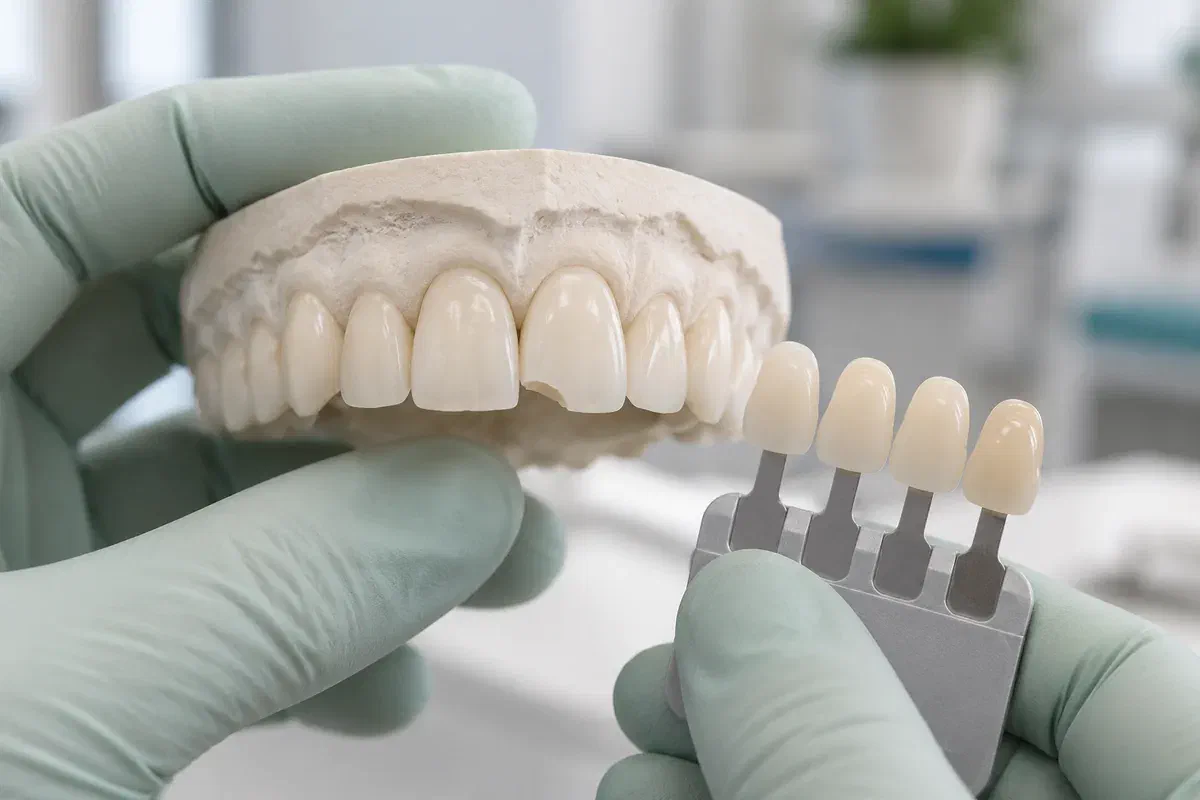
Many chips stay in the enamel, but some reveal decay, a crack that runs further or the effect of an impact on the tooth and gum. The exam separates the two, and what you tell us in advance helps us set aside the right time.
Even a small chip can be distracting. The dentist checks its depth and outline before deciding whether polishing will be enough or whether it would remove more tooth than is wise.
A chipped front tooth may look shorter or out of line. Describe the change when you book, and bring a photo from before the chip so the original shape is easier to plan around.
Repeated breakage suggests a cause beyond bad luck, such as the bite, grinding, habits or an ageing filling. Identifying that cause during the same visit can save a return trip for the same problem.
If the chip followed a knock, mention whether the tooth moved, bled or now meets its neighbour differently. Injuries can need assessment beyond the chipped spot, sometimes more urgently than a long drive allows.
When a chip is limited, care may be as simple as smoothing a sharp edge or rebuilding a small missing area. Composite bonding is often considered for that kind of defect, as long as the tooth offers a good surface to bond to and the bite will not overload the repaired edge.
A repair still has limits, and they are worth hearing before you travel. Tooth-coloured material can be shaded closely but not perfectly, and composite may stain or chip again over the years. The dentist should be straightforward about what your tooth can support, with no promise of an invisible or permanent result.
Patient information: NHS — chipped, broken or cracked teeth
Treating a jagged spot can stop it scraping your tongue or lip, provided the reason the tooth chipped is understood as well.
You can talk through how much length or curve to rebuild. The change is planned around the teeth beside it and the natural line of your smile.
A careful exam helps avoid more treatment than a minor chip needs. If a larger restoration is advised, ask what makes the smaller repair a poor fit.
A straightforward chip can sometimes be assessed and repaired in one visit, which helps when travel takes planning. The exam still decides, so describe the chip clearly when booking and leave time to talk.
The dentist looks at the broken edge, the rest of the tooth and the gums. Your account of the chip and any symptoms decides whether an X-ray or another test should come first.
Polishing, reattaching a saved piece, bonding or another approach may be discussed. Ask what each would change and how it is likely to hold up over time.
Where appropriate, the edge is refined or the missing part rebuilt with composite, which is shaded, shaped, hardened and polished. Sometimes a second visit is the better choice.
Your bite and the surface are checked so you leave comfortable. After an injury, a follow-up may still be advised, and the team can help schedule it efficiently.
Advice afterwards depends on the repair you received. Ask about anything to avoid in the first hours, and keep up the home routine recommended for you so the edge stays in good condition.
Biting thread, opening packages or chewing on hard objects puts sharp pressure on one edge. Think about which habits might have caused the first chip and how to avoid them.
Brush with a fluoride toothpaste and clean between teeth each day. If floss snags or the repaired edge feels rough, mention it rather than polishing it at home with a gritty product.
Let us know about new chipping, a shift in your bite, or a tooth that darkens. If grinding or sport is involved, ask whether a protective appliance makes sense.
When travel takes time, questions often focus on timing and getting things done efficiently. These answers can help.
Tell us about the chip when you call, and our Bronte Street practice can plan the visit around it. We will assess the tooth, explain what fits and, where suitable, complete the repair, so each trip from Etobicoke does as much as it safely can.
For a recent impact, a moved tooth, severe pain or swelling, call before setting out. If you cannot be seen quickly, urgent care closer to home may be the safer choice.
