An edge that catches when you smile
Even a minor rough spot can bother you. The dentist assesses its depth and shape before deciding whether polishing would help or whether it would take away more enamel than is sensible.


A wedding, graduation or family portrait on the calendar can make a chipped front tooth feel urgent. From Georgetown, plan the repair with enough time to sort out shade, whitening and the tooth’s health.
It tends to happen at the worst time. With a celebration ahead, a corner breaks off a front tooth and suddenly every smile feels self-conscious. Fixing it well is usually possible, but the order of decisions matters: the health of the tooth first, then any whitening plans, then the shade and shape of the repair.
A chip is a loss of tooth surface, often at an edge or corner. The best response depends on its size and depth, the tooth affected and how your bite works. A small rough patch is not handled the same way as an obvious missing corner, and a chip that reaches a more sensitive layer may need attention before anything cosmetic.
Planning from Georgetown gives you the chance to book early. At our Bronte Street practice, tell us the date you are working toward, how the chip happened and whether you hope to whiten. Your vision for your smile shapes the plan, though the tooth’s health and function have to come first.
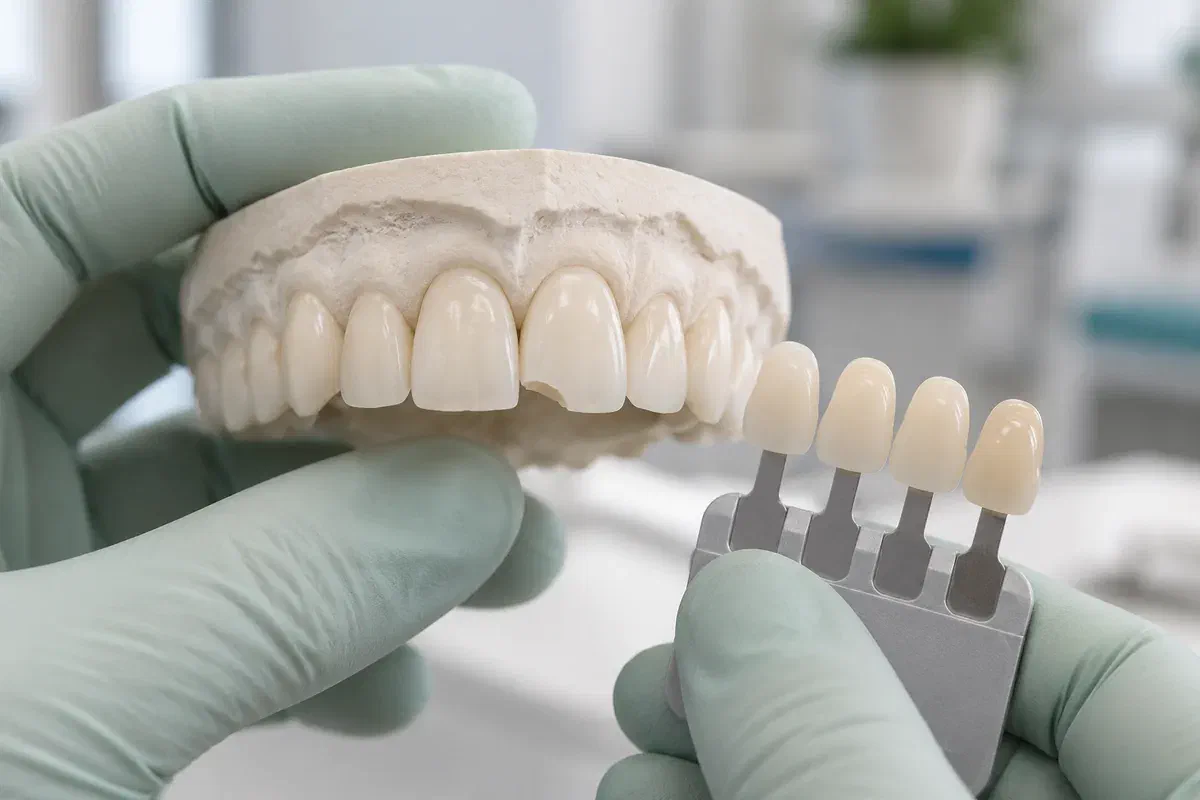
Some chips are shallow and stable. Others hide decay, a crack that extends further or an injury to the tooth. The examination comes first so that the cosmetic repair sits on healthy ground.
Even a minor rough spot can bother you. The dentist assesses its depth and shape before deciding whether polishing would help or whether it would take away more enamel than is sensible.
A missing front corner can make a tooth look shorter or uneven in pictures. Bring a photo from before the chip so the original outline can guide the repair.
If this edge has broken before, the dentist looks at your bite, habits, grinding and any older repairs. A beautiful repair placed without addressing the cause may not see you past the event.
If the chip came from a fall or blow, tell us about any looseness, bleeding or bite changes. An injured tooth may need time and monitoring before cosmetic work.
For a limited chip, the repair may be as modest as smoothing a sharp corner or rebuilding a small missing section. Composite bonding is often discussed for front-tooth chips when the tooth, the surface and the bite make it a sensible choice.
Matching a repair to surrounding teeth is a skill, not a guarantee. Shade, translucency and surface texture all matter, and composite can stain or chip over time. Since composite does not respond to whitening the way enamel does, the order of treatment can affect the final look. Expect honesty about what is realistic.
Patient information: NHS — chipped, broken or cracked teeth
Rebuilding a missing corner can bring a front tooth back into harmony with its neighbours, as long as the tooth is healthy and the bite can support it.
You can discuss length, curve and colour. Each choice is made in relation to the teeth around it, and to any whitening you plan.
An assessment can keep a small chip from turning into extensive cosmetic work. If more is suggested, ask what makes the simpler repair unsuitable.
A simple chip can sometimes be repaired in one appointment, but adding whitening or an injury check changes the timeline. Allow time to discuss findings and the result you are hoping for.
The dentist checks the chip, the remaining tooth and the gums. Injury history and symptoms help decide whether X-rays or other tests should come before any cosmetic step.
If you want brighter teeth, this is the time to say so. Whitening is often considered before a repair so the composite shade can be matched to the new colour, but ask what suits you.
The edge may be refined, or the missing portion rebuilt with composite shaded and shaped to blend in. It is then hardened and polished to a natural finish.
Your bite and the finish are checked, and you can say how the tooth looks and feels. If something needs adjusting, there is time to address it before the event.
Aftercare depends on whether the tooth was smoothed or rebuilt. Ask about any short-term precautions, particularly around foods that might stain a new repair.
Biting into very hard foods with a repaired corner, opening packages or biting nails puts direct pressure on the edge. Use the side teeth or a knife where you can.
Brush with fluoride toothpaste and clean between teeth daily. Skip harsh whitening toothpastes on the repair, and let us know if it starts to feel rough or dull.
Report new chips or a shift in your bite. If grinding or sport put the tooth at risk, ask whether a protective appliance would help keep the repair intact.
When an event is coming up, questions often focus on timing and appearance. These answers can help you plan.
Let us know the date you are working toward. At our Bronte Street practice we will examine the chipped tooth, map out the order of any whitening and repair, and choose shape and colour with you so the result feels like your own smile.
When the chip follows a recent impact, or the tooth is loose, very painful or swollen, please call rather than booking online so urgency can be discussed.
