Illustrative dental consultation with a patient discussing her care
Restorative Dentistry

Composite Fillings in Caledon

Fillings wear, bites change and edges chip over the years. For people in Bolton and across Caledon, we check how existing repairs are coping and explain when a new or touched-up composite filling is worth it.

Repairs over the years

Wear and tear, looked at honestly

Teeth and the repairs in them take a lot of use. A filling placed years ago may now feel rough, look a little dull, or have lost a sliver at its edge, especially if you clench at night or chew on one side.

Composite is a tooth-coloured resin bonded directly to the tooth and sculpted in place, and it is used both for new cavities and for replacing worn restorations. Not every tired-looking filling needs redoing. Sometimes polishing or a small repair is enough; sometimes the tooth underneath has changed and needs more. The exam, often with X-rays, shows which.

When you come in from Caledon, tell us about any grinding, jaw tension or teeth that seem to be getting shorter. Those details explain a lot of wear.

Have your fillings reviewed
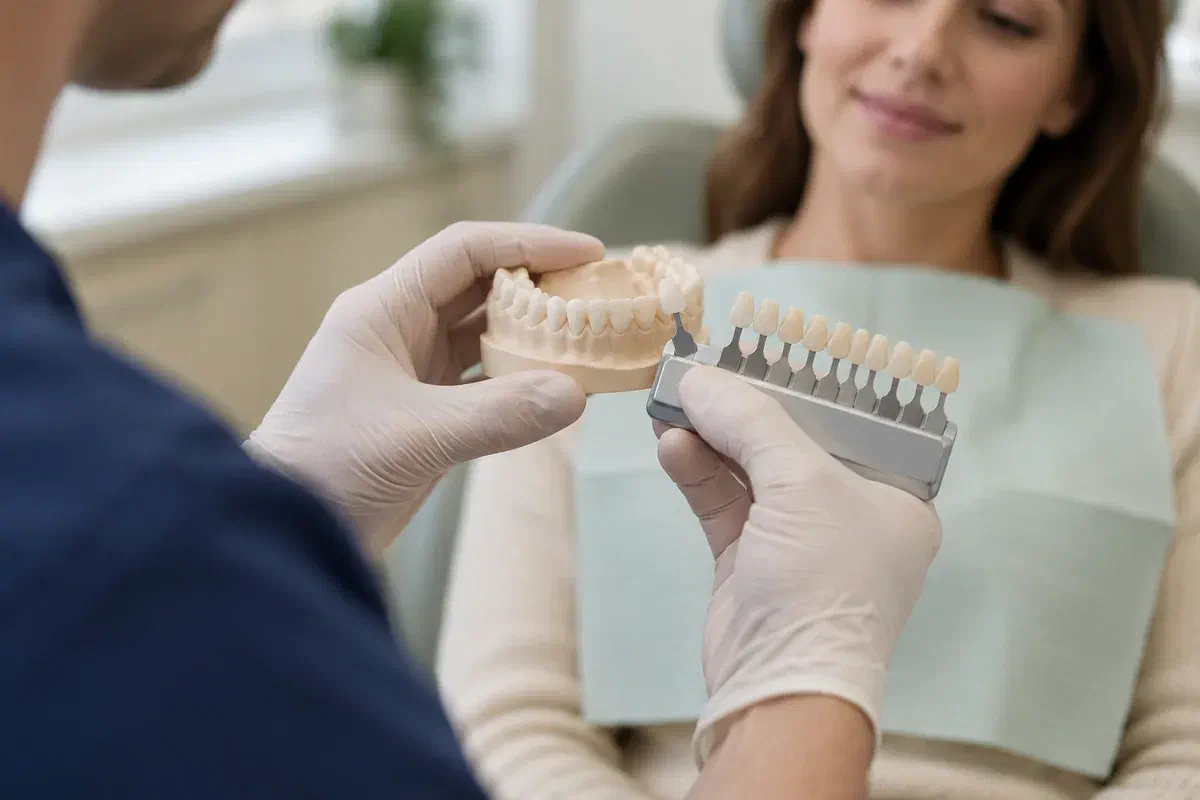
A dental model and shade guide illustrating tooth-colour selection
Signs of wear

What the dentist checks for

A filling is one possible response to a worn or damaged tooth. The exam identifies the cause, the extent of the change, and whether the remaining tooth can support a direct repair.

Fresh decay at a margin

Cavities can start at the edge of older work and grow without warning. If decay is found, it is removed and the tooth rebuilt.


Edges worn or chipped

Clenching and grinding can chip enamel and fillings alike. Composite may restore a limited area, depending on the bite and whether a crack is present.

An ageing composite

Staining, roughness or a visible line around a filling is common with time. It may need polishing, a partial repair, replacement, or simply continued monitoring.

Sensitivity can come from worn enamel, gum recession or clenching as well as decay. Describe when it occurs and how long it stays before assuming a filling is the answer.

Why composite works for repairs

Easy to blend, possible to touch up

Composite can be colour-matched to your enamel, so it is a common choice for visible areas. It is also used on suitable back-tooth cavities, where the dentist weighs the restoration’s size against the pressure your bite puts on it.

Wear is one of its limits. Heavy grinding can roughen or chip composite over time, and placement needs a dry tooth. For a large or highly stressed area, another restoration may be more durable, so each tooth is judged on its own.

Patient information: ADA — tooth-coloured fillings · FDA — filling materials

Matched to the tooth

A shade is selected for your particular tooth, helping the repair sit unnoticed beside natural enamel.

Room for smaller fixes

Because it bonds, a worn composite can sometimes be repaired in part instead of being drilled out entirely.

Generally one visit

Most direct fillings are done in a single treatment appointment, while the assessment or extra care may be separate.

How a replacement works

Out with the worn, in with the new

Understanding what happens can make the appointment easier. Ask for a break at any time, and feel free to ask questions throughout.

  1. Assess the old repair

    We talk about your concern and examine the tooth, including the filling’s edges and your bite. X-rays may be recommended if they would help check for decay beneath. Before treatment, the proposed repair, alternatives and estimated fee are explained.

  2. Numb and remove

    Local anaesthetic may be used. Worn material and any decay are removed, and moisture is controlled so the new resin can bond.

  3. Rebuild and contour

    Composite is layered in and hardened with a curing light. The dentist reshapes the surface and the contact with the next tooth, taking your bite into account.

  4. Adjust and polish

    Your bite is checked, including side-to-side movement if you grind. After polishing, you can ask about protection, cleaning or anything that feels new.

Protecting the new filling

Small habits, longer-lasting repairs

Follow the guidance for your own treatment. If anything feels off, call us; you do not need to wait for your next exam.

Hold off while still numb

Do not chew until sensation returns. A numb lip, cheek or tongue is easily bitten or burned, so leave hot drinks for later.

Notice pressure points

Brief sensitivity can occur. Contact us if pain is increasing, sensitivity lingers, or the tooth seems to strike first when you close or grind.

Guard against new decay

Brush twice a day with fluoride toothpaste and clean between teeth daily. If you grind, ask whether a night guard could help protect your teeth and repairs.

Patient information: Cleveland Clinic — dental fillings

When wear goes deeper

Choosing what the tooth can handle

Ask what each recommendation would achieve and how the alternatives compare over time. The answer should follow the tooth’s condition and the demands of your bite.

For a direct repair

Composite or a sturdier filling

Location, cavity size, moisture control and chewing or grinding forces all affect which material is used. Discuss the strengths and drawbacks of each.

When the tooth is heavily worn

Crown or partial coverage

Teeth with large repairs or significant wear may need a restoration that covers more of the tooth, protecting what is left from cracking further.

When the nerve is affected

Root canal treatment

If infection has reached the pulp, a filling alone cannot fix it. Root canal treatment and a final restoration that protects the tooth may then be considered.

Patient information: ADA — crowns · ADA — root canals

Questions about upkeep

Keeping repairs in good shape

No question is too small. If you are unsure what has changed, tell us what you have noticed and we will look.

(905) 876-4488
Can a worn composite filling be polished or touched up?
Often, yes. Minor staining or roughness can sometimes be polished, and a small chipped area may be repaired without replacing the whole filling. The dentist will check that the tooth beneath is healthy first.
How often should my fillings be checked?
They are usually looked at during routine exams. How often you should come in depends on your oral health and risk of decay, so ask the dentist what interval suits you.
Does a night guard protect fillings?
If you grind or clench, a night guard can help reduce wear on teeth and restorations. The dentist can assess signs of grinding and discuss whether one makes sense for you.
Why did my filling chip at the edge?
Heavy biting, grinding, chewing hard items, or a filling that carries a lot of load can all lead to chipping. Finding the cause helps decide how to repair it.
Will composite still look good years from now?
It can, with good care, though composite may pick up some staining or lose its shine over time. Regular checkups allow the dentist to spot changes and polish or repair them.
What should I tell the dentist about my bite habits?
Mention clenching, grinding, jaw soreness, chewing ice or pens, and any teeth that seem to be wearing. These details help explain damage and guide the choice of repair.

Patient information: CDA — tooth-coloured fillings · FDA — existing amalgam fillings

Caledon, keep your repairs in check

Find out how your fillings are holding up.

Book time at our Bronte Street practice to have worn fillings, chipped edges or a new cavity assessed. We look at the tooth and your bite before suggesting anything.

Phone us for significant pain or swelling. The online request form is for non-urgent concerns.

Visit Milton Dental Clinic
Unit 1, 342 Bronte St. S, Milton, ON L9T 5B7
Get directions Clinic hours
Monday–Thursday
11am–7pm
Friday–Sunday
By appointment only

Areas we serve

  • Milton
  • Oakville
  • Mississauga
  • Georgetown
  • Halton Hills
  • Acton
  • Campbellville
  • Brampton
  • Burlington
  • Puslinch
  • Rockwood
  • Erin
  • Caledon
  • Etobicoke
  • Old Milton
  • Bronte Meadows
  • Timberlea
  • Dorset Park
  • Dempsey
  • Clarke
  • Beaty
  • Coates
  • Harrison
  • Scott
  • Willmott
  • Ford
  • Bowes
  • Cobden
  • Walker
  • Mountain View
  • Milton Heights
  • Hawthorne Village
  • Valley View
  • Fallingbrook
  • Nassagaweya
  • Trafalgar
  • Esquesing
  • Nelson
  • Brookville
  • Moffat
  • Glen Williams
  • Norval
  • Limehouse
  • Stewarttown
  • Ashgrove
  • Hornby
  • Silver Creek
  • Speyside
  • Scotch Block
  • North Oakville
  • River Oaks
  • Glen Abbey
  • West Oak Trails
  • Palermo
  • Bronte Creek
  • College Park
  • Joshua Creek
  • Uptown Core
  • Preserve
  • Iroquois Ridge
  • Lisgar
  • Meadowvale
  • Meadowvale Village
  • Churchill Meadows
  • Erin Mills
  • Central Erin Mills
  • Streetsville
  • East Credit
  • Creditview
  • Heartland
  • Sheridan
  • Mount Pleasant
  • Credit Valley
  • Huttonville
  • Churchville
  • Springbrook
  • Northwest Brampton
  • Bram West
  • Fletcher's Meadow
  • Fletcher's Creek South
  • Alton Village
  • Orchard
  • Millcroft
  • Headon Forest
  • Tansley
  • Brant Hills
  • Tyandaga
  • Kilbride
  • Lowville
  • Aberfoyle
  • Morriston
  • Arkell
  • Hillsburgh
  • Freelton
  • Carlisle
  • Waterdown
  • Flamborough
  • Mountsberg

How can we help?

Milton Dental Clinic

Have a question about your smile? Choose the option that works best for you.

For urgent dental concerns, please call.
Messages are reviewed during clinic hours.