A cavity needing treatment
Decay often progresses without pain. When it needs repair, the decayed tooth is removed and composite restores the shape.


Most questions about a filling come up that evening, once you are back home. For anyone from Erin or Hillsburgh, we explain the composite repair itself and exactly what to watch for afterwards, so you know when to call.
Your lip is still a bit numb, dinner is waiting, and your tongue keeps exploring a tooth that suddenly feels smoother and slightly unfamiliar. That moment is when people tend to wonder what is normal.
A composite filling replaces decayed or broken tooth with a tooth-coloured resin. The dentist bonds it in place, hardens it with a light and shapes it to your bite, so it is set before you leave. Some brief sensitivity afterwards is common; pain that builds, or a tooth that hits first when you close, is worth a call. Before any of this, an exam confirms that a filling is the right repair.
Because a visit from Erin takes some planning, we make sure you head home knowing what to expect and when to phone rather than simply waiting.
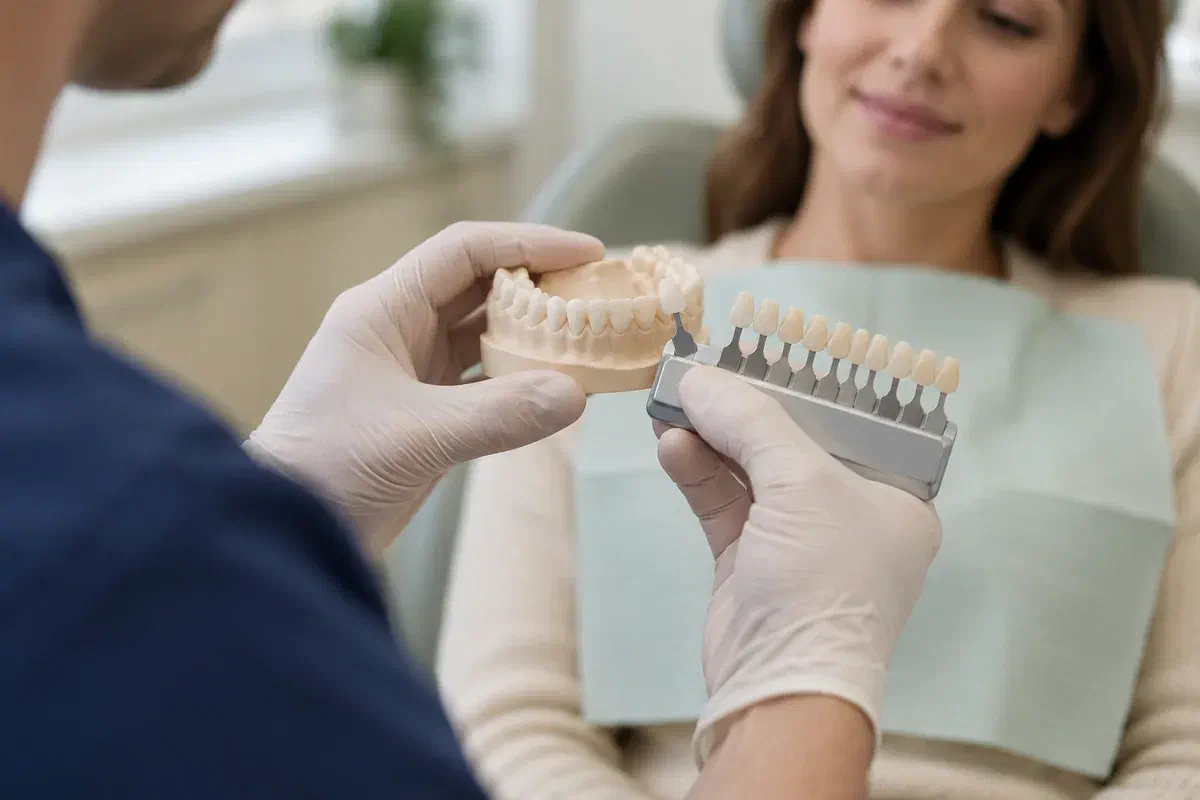
Different kinds of damage can lead to a filling. Examination shows the cause, the extent, and whether enough sound tooth surrounds the area for a bonded repair to hold.
Decay often progresses without pain. When it needs repair, the decayed tooth is removed and composite restores the shape.
A limited break may suit composite. Where it is, the bite forces on it and any hidden crack determine whether a direct repair fits.
Wear or changes along an older filling are worth checking. The answer may be a small repair, a replacement or continued monitoring.
A sensitive tooth may have a cause other than decay. Note what sets it off and how long the feeling stays so it can be properly assessed.
Composite is hardened with a curing light during the visit, and its shade can be matched to your enamel, which suits visible repairs. It is also placed in selected back-tooth cavities, where the restoration’s size and chewing forces get careful consideration.
It will not be right for every tooth. Bonding needs a dry surface, and a sizeable or heavily loaded filling may be better replaced by another type of restoration. Choices are made tooth by tooth.
Patient information: ADA — tooth-coloured fillings · FDA — filling materials
A colour is chosen for the tooth being treated so it blends with what surrounds it.
Bonding may let the dentist conserve sound tooth structure, depending on the tooth’s condition.
A direct filling is often finished in a single treatment visit, though assessment or added care may be booked apart.
Knowing the order of the visit can make it easier to plan your day. You can ask for a pause, and questions are welcome all the way through.
We talk about what you have noticed and check the area. X-rays may be recommended if they would help evaluate decay or nearby structures. The planned repair, other options and the estimated fee are explained before treatment.
Local anaesthetic may be given. The damaged part is removed, and the tooth is kept clean and dry so the composite can bond.
Resin is placed in thin layers, each cured with a light, and shaped to restore the tooth and its contact with the one beside it.
The filling is polished and your bite checked. We go through what is normal over the next few days and when to call, so you have it clear before the drive.
Follow the instructions for your treatment. When something does not feel right, call us before deciding whether you need to come back in.
Let the numbness wear off before eating so you do not chew your lip, cheek or tongue. Hot drinks can scald tissue you cannot feel.
A short reaction to cold or biting may happen. Call if pain is increasing, sensitivity is not improving, or the filling feels like it meets first.
You can usually brush and floss normally. Use a fluoride toothpaste twice daily and clean between teeth, since decay can still start at a filling’s edge.
Patient information: Cleveland Clinic — dental fillings
Call or ask at your visit. If something is hard to describe, tell us when it happens and how it feels.
Patient information: CDA — tooth-coloured fillings · FDA — existing amalgam fillings
Visit our Bronte Street practice for a decayed tooth, a chipped edge or a worn filling that needs a look. We assess the tooth, explain the repair, and make sure you head home knowing what to watch for.
Phone us if pain or swelling is serious. The online form suits routine, non-urgent requests.
