Decay beneath the old filling
New decay can loosen a filling from below. If so, it is removed before the tooth is rebuilt with fresh material.


Felt something hard in your dinner that wasn’t food? When a filling comes loose, people in Georgetown can call for advice, have the tooth checked and find out whether a new tooth-coloured filling will do the job.
It usually happens mid-meal. A small piece of something hard turns out to be part of your tooth or an old filling, and your tongue finds a sharp hollow where it used to be smooth.
Many lost or broken fillings can be replaced with composite, a tooth-coloured resin that is bonded into the prepared space and shaped to match the tooth’s original form. Still, a filling that came out may have done so for a reason. Decay underneath, a crack or a large missing wall can mean the tooth needs a different kind of repair, so it should be looked at before anything is replaced.
Call us from Georgetown when it happens. Describe any pain and whether the area is sharp, and we will advise how soon to come in.
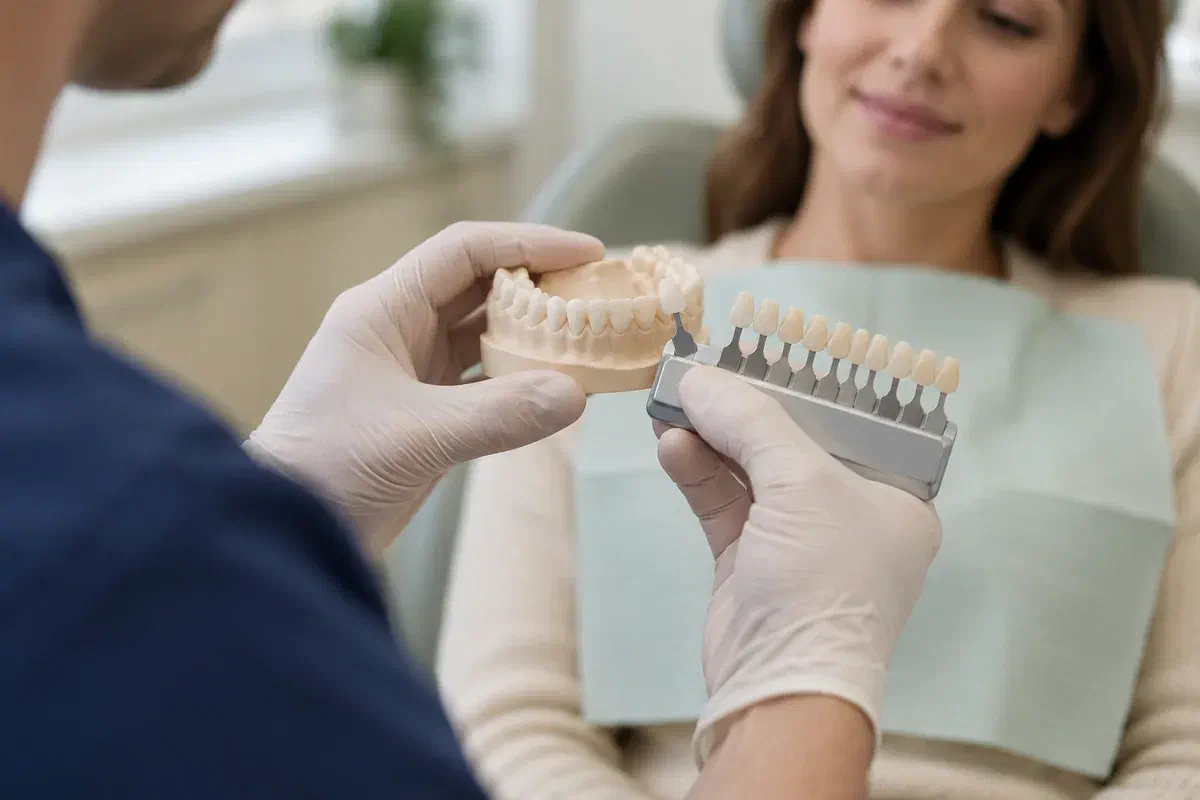
A new filling is one possible response. The exam reveals why the old one let go, how much of the tooth is affected, and whether enough sound structure remains to support another direct repair.
New decay can loosen a filling from below. If so, it is removed before the tooth is rebuilt with fresh material.
Sometimes the filling is fine but part of the tooth around it has fractured. Composite may handle a limited break; a bigger one, or a crack below the gum, may need more.
If only a portion has come away, the rest may or may not be sound. The dentist decides whether to patch, replace the whole filling or recommend another restoration.
A gap can be sensitive to air or cold, which is not unusual. Tell us how strong the feeling is and how long it lasts when you call.
When the space is suitable, composite can restore the tooth in a shade close to its enamel, making it a common choice where appearance matters. It can also be used for selected back-tooth repairs, with the size of the filling and the pressure of chewing taken into account.
It will not suit every gap. The tooth must stay dry while the material bonds, and a large or heavily loaded area might be better served by a stronger restoration. Your old filling material does not decide the new one; the tooth does.
Patient information: ADA — tooth-coloured fillings · FDA — filling materials
The dentist matches the colour to the surrounding enamel, so the new repair blends in.
Bonding may allow healthy tooth to stay where the condition of the tooth permits.
Many direct fillings are done in one treatment appointment, though the assessment or other care may need extra time.
Knowing the steps can take some of the worry out of it. Let us know if you need a break, and ask questions whenever they come up.
We hear what happened and look at the tooth and any remaining material. X-rays may be advised if they would show decay or damage below the surface. You will hear the plan, the alternatives and an estimated fee first.
Local anaesthetic may be used. Leftover filling and any decay are taken out, then the space is isolated from saliva so composite can bond.
Resin is placed in layers, each hardened with a curing light, and shaped to restore the chewing surface and the tooth’s contact with its neighbour.
The filling is smoothed and your bite tested. You can ask about eating, cleaning or anything that feels unusual before you go.
Follow the advice given for your tooth. If something seems wrong once you are back home in Georgetown, call us; there is no need to wait until a checkup.
Avoid chewing on the numb side, and be careful with hot food and drinks so you do not hurt your lip, tongue or cheek.
Mild sensitivity can occur for a short while. Get in touch if pain increases, sensitivity lingers, or the new filling seems to meet before your other teeth.
Brush using fluoride toothpaste twice each day and clean between teeth daily. Decay at the edges of a filling is a common reason they fail.
Patient information: Cleveland Clinic — dental fillings
Ask about anything that worries you. If you cannot tell what broke, describe what you found and how the tooth feels.
Patient information: CDA — tooth-coloured fillings · FDA — existing amalgam fillings
Arrange an appointment at our Bronte Street practice for a lost or broken filling, a new cavity or a chipped edge. We work out why it happened first, then explain what kind of repair the tooth needs.
If pain or swelling is significant, call us. Online requests are for non-urgent concerns only.
