You found it after a meal
Tell us what was on your plate and whether there had been any earlier movement. Keep it clean and secure, and avoid pushing it back into place or biting on that side until it has been checked.


Recementation needs the crown, so finding it is the first job. Whether it is in a pocket or still missing, households in Erin and Hillsburgh can call us, bring what they have and learn what the tooth needs next.
A crown can slip out unnoticed at the dinner table, in a sandwich at work or during sleep. Some people find it straight away; others notice the gap with their tongue hours later and have no idea where it went. What happens next depends a great deal on which of those situations you are in.
Recementation reattaches the original crown, so it is only an option when the crown has been found and is still in good condition. The tooth also has to be sound enough to hold it. If the crown is missing or damaged, the dentist can still examine the tooth and talk about how to protect it, which may involve a temporary cover and a new crown.
Retrace your steps first: check plates, napkins, pockets, pillows and the car seat. If you find it, rinse it gently and keep it in a closed container. If you think you might have swallowed it, mention that when you call. Either way, the tooth deserves attention, so do not let the search delay a phone call for long.
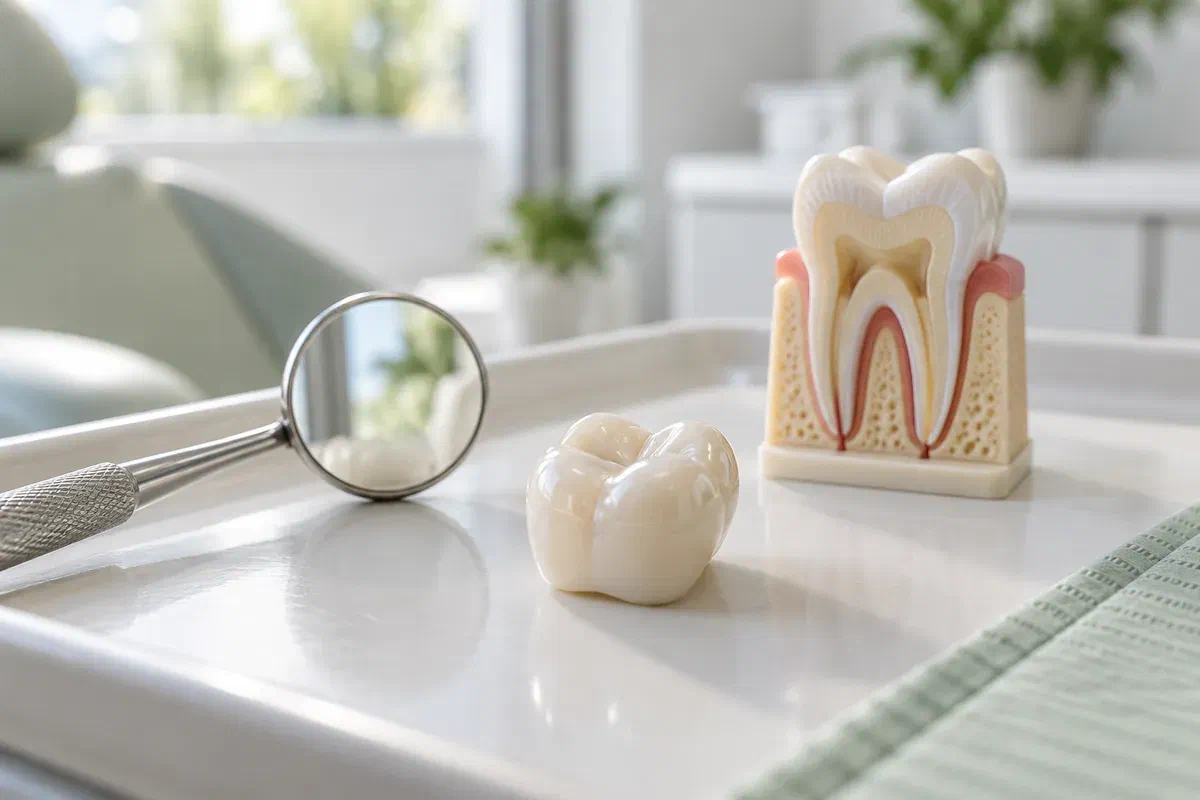
Let the team know whether you have the crown, whether anything was stuck inside it and how the uncovered tooth is behaving. Pain is not required for a visit to be worthwhile.
Tell us what was on your plate and whether there had been any earlier movement. Keep it clean and secure, and avoid pushing it back into place or biting on that side until it has been checked.
Describe what triggers the feeling and how long it lasts. The tooth needs its own assessment, especially if the crown is missing and the surface is now exposed day to day.
When a crown has been lost or refitted in the past, the cause deserves a closer look. Mention approximately when it last came off and whether it tends to happen in similar circumstances.
Still attached but loose? Leave it and call for advice, as a loose crown is easier to lose. Mention pain, swelling or recent injury when you phone.
When the crown has been found intact, fits well and the tooth below is sound, reattaching it can avoid having a new crown made. That is a good reason to keep searching and to store it carefully once found. The dentist confirms suitability by examining the crown and the tooth together.
Even with the crown in hand, refitting it onto a tooth that has changed tends to postpone the problem. If the dentist suggests another approach, ask what they saw. Their reasoning should relate to the tooth today and not only to the crown’s age.
If fit and support are good, the recovered crown can keep protecting the tooth. Ask whether it needs any preparation, or the tooth any repair, before it is secured.
An examination can reveal decay, a damaged core or bite issues behind the loss. Ask what contributed and how the plan addresses it so it is less likely to happen again.
A crown may be reattached as the finished treatment or as protection while other work is planned. Confirm which, so you can plan any further trips.
Whether or not you have the crown, the visit starts with the tooth. If the crown is available, the dentist then decides whether reuse is appropriate, and the findings may point to another plan.
The dentist examines the exposed tooth and, if you have it, the crown and its interior. Symptoms and dental history guide whether imaging is needed.
Fit, damage and support are reviewed. If the crown is missing, cracked or the tooth has changed, you will hear the alternatives, what they involve and the likely costs.
If the crown can be reused, the surfaces are cleaned and prepared and a professional cement or bonding agent is applied. If not, the dentist can discuss how to cover and protect the tooth in the meantime, rather than leaving it exposed.
The crown’s seating, contacts and your bite are reviewed, and leftover cement is cleared. Ask about eating, cleaning and any follow-up appointments.
Your aftercare depends on what was done and which material was used. Ask for clear instructions before you go, especially if a temporary crown or temporary refit is involved or you are still frozen.
Respect the timing and food cautions given for this crown. Previous advice may not apply. While frozen, take care not to bite your cheek or lip.
Brush and floss gently around the crown as shown. Report floss that catches, gum soreness or a rough feel rather than picking at it.
Should it start to move or your bite feel different, contact the clinic before it comes out. A crown checked early is less likely to be lost a second time.
Patient information: NHS Wales — lost filling or crown
Crown or no crown, the tooth underneath needs a look. These answers explain what happens in each case.
Crown off, or gone altogether? Phone our Bronte Street team either way. Bring the crown if you have it. We will examine the tooth, check any crown you bring, explain the findings and talk through the most suitable way to protect the tooth.
If you might have inhaled the crown, seek medical care first. For severe pain, swelling, a moving crown or a recent injury, call so the team can advise on timing.
