The crown came out at a meal
Wrap nothing around it; simply place it in a clean container with a lid. Say what you were eating and whether it had moved before. Do not try to seat it again on your own, and keep hard foods away from that side.


A lost crown from Etobicoke is worth a planned trip, not a rushed one. Call first, describe what happened, and we will help you arrange a visit where the crown and tooth are assessed and a refit is done if it suits.
From the west end of Toronto, getting to a dental appointment takes some planning, and nobody wants to make the journey twice for a single crown. The best way to make that trip efficient is to know what the visit involves before you set out.
Recementation reattaches the crown you already have. It is suitable when the crown is in good condition, still fits and the tooth underneath is strong enough to hold it. The dentist will check for reasons it came loose, such as decay at the margin, a damaged core or a bite problem, before deciding.
When you call, describe how the crown came off, whether it was loose before, whether anything is inside it and how the tooth feels. That lets the team set aside suitable time. If the assessment shows a refit is appropriate, it may be possible to do it at the same appointment.
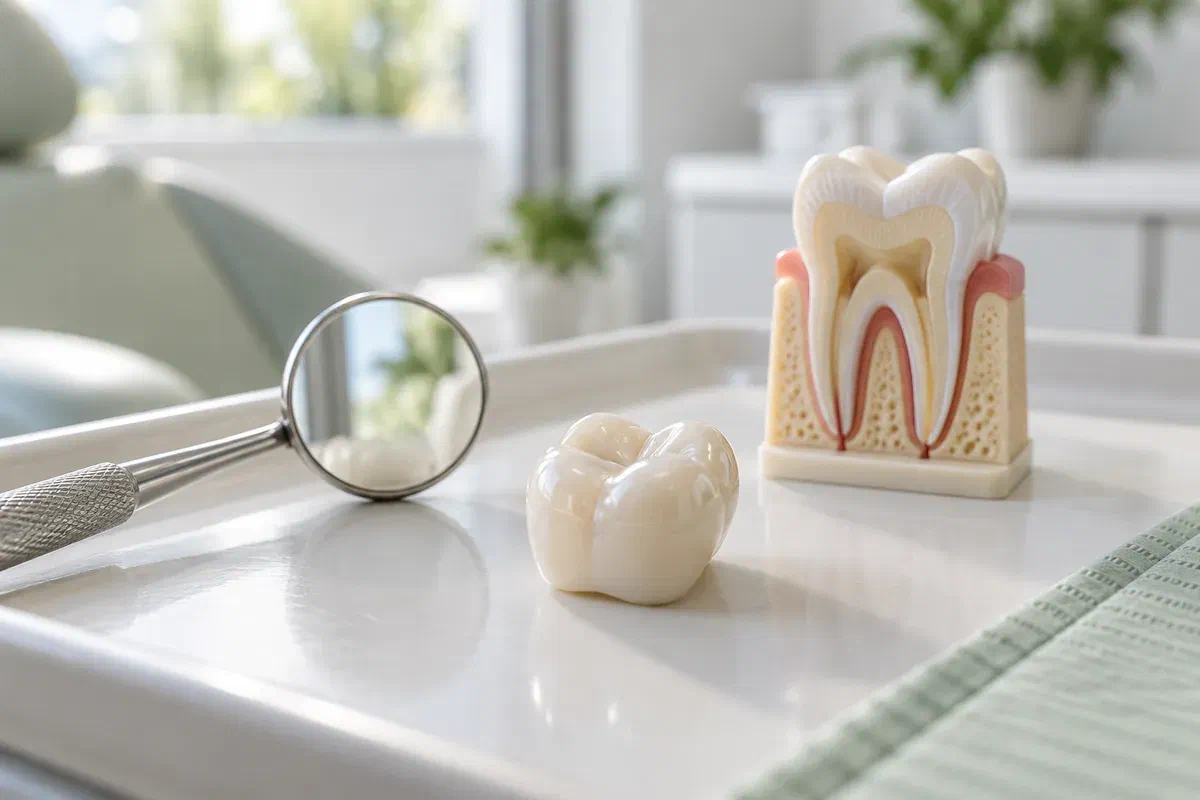
A missing crown without pain still deserves attention. Tell the team whether the crown is completely out, what you can see inside it and how the exposed tooth has felt since.
Wrap nothing around it; simply place it in a clean container with a lid. Say what you were eating and whether it had moved before. Do not try to seat it again on your own, and keep hard foods away from that side.
Explain whether the discomfort comes with cold, heat, sweets or biting and how long it lasts. This helps the team judge how soon you should be seen, since the tooth itself must be examined and not only the crown.
Previously refitted crowns may need more time at the visit, because the cause needs careful attention. Share approximately when it last came off and whether the circumstances were similar.
For a crown that is loosening but still on, phone for advice before travelling. Tell the team about pain, swelling or injury, which may change what you should do first.
If the crown is undamaged, seats accurately and the supporting tooth is in good condition, recementing it may avoid the extra visits involved in making a new crown. That is worth knowing when travel is part of the picture. The decision still has to follow a proper examination.
A crown attached to a tooth that cannot support it may come off again, which means another trip. If the dentist recommends something else, ask what was found and how it affects the tooth’s future. The explanation should be about the tooth now, not only about the crown’s age.
When it fits well and the tooth is sound, the same crown may keep protecting the tooth. Ask whether any preparation is needed and whether it can be done in the same visit.
Examining the tooth can identify a problem a home repair would mask. Ask what caused the loosening and how the plan addresses it, so you are not making the trip again soon.
A refit may be the final treatment, or it may protect the tooth while other work is arranged. Ask which it is so you can plan any further appointments.
The first task is deciding whether the crown should be reused. Because that can change the plan, allow time to discuss the findings and any next appointments before you leave.
The dentist checks the crown, the tooth beneath and anything left inside. Your symptoms and treatment history determine whether imaging or other tests are needed to make a sound decision.
Fit, damage and remaining support are weighed. If decay or a fracture changes the advice, you will hear the options, what each involves in terms of visits and what each would cost.
Once the crown is judged suitable, the tooth surface and the crown’s interior are cleaned and treated, and a professional cement or bonding method suited to the restoration is used. Adhesives from home are not a safe replacement for this step.
Fit, contact points and your bite are reviewed and excess cement is removed. Ask about eating, cleaning and whether a follow-up is needed, so you can arrange it before leaving.
Guidance after a refit depends on the cement, the tooth and any other treatment. Make sure you understand it before heading home, particularly if the crown was refitted temporarily or you are still frozen.
Follow the timing and food precautions you are given, even if earlier crowns came with different advice. If you are numb for the trip home, avoid snacking until feeling returns.
Brush and clean between the teeth as recommended for that area. Report floss that catches, sore gums or an edge that feels different rather than trying to remove material yourself.
A crown that feels loose or high should be reviewed; call and describe the change. For severe pain, facial swelling, fever or trouble swallowing or breathing, seek urgent care close to home rather than waiting to travel.
Patient information: NHS Wales — lost filling or crown
How a crown looks does not show what is going on underneath. These answers help you plan the trip and understand why the examination comes first.
Give our Bronte Street team a call before you set out. Describe the crown and the tooth, bring the crown with you, and we will examine both, explain what we find and, where it is suitable, take care of the refit while you are here.
Severe pain, swelling, fever or a recent injury may need care sooner and closer to home. Call so the team can help you decide on the best next step before travelling.
